

The Architecture of Shadow: Chiaroscuro as a Tool for Spatial Depth
 Chiaroscuro
In art, chiaroscuro (English: kee-AR-ə-SKOOR-oh, -SKURE-, Italian: [ˌkjaroˈskuːro]; lit. 'light-dark') is the use of strong contrasts between light and dark, usually bold contrasts affecting a whole composition. It is also a technical term used by a...
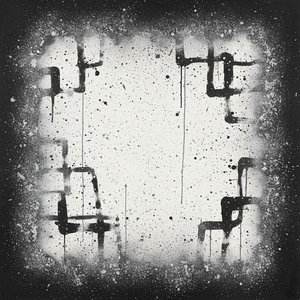
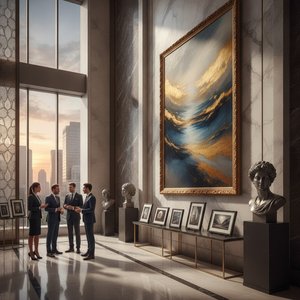
In the realm of high-end hospitality design, the manipulation of shadow is as vital as the placement of light itself. To the discerning designer, shadow is not merely an absence of illumination but a structural element capable of carving volume out of emptiness. When we consider contemporary abstract works, such as those found in the profound explorations of Christian Noiret, we witness the power of chiaroscuro—the dramatic interplay between light and dark—to create a sense of monumental presence. In a luxury hotel lobby or a private lounge, utilizing strong contrasts allows an artwork to anchor a room, providing a visual weight that prevents a large space from feeling hollow or ungrounded.
By strategically placing shadows around a canvas, the designer invites the viewer into a narrative of mystery and discovery. This technique mimics the classical traditions of European masters but applies them to the non-representational vitality of modern abstraction. When light strikes a dark, abyssal void within a painting, it creates a psychological depth that pulls the guest inward, fostering an atmosphere of introspection and quiet luxury. The shadow becomes a boundary, defining the edges of our perception and guiding the eye toward the luminous focal points that define the room's character.
Tactile Luminosity: Enhancing Impasto Textures through Directional Lighting
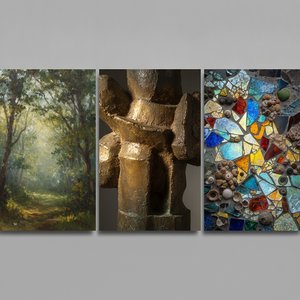 Top 25 Masterpieces by David Moreau: A Journey Through Texture and Light
Introduction Step into a world where the canvas ceases to be a flat surface and transforms into a living, breathing landscape of shadow and light. To experience the top 25 works of David Moreau is to witness a masterclass in the architecture of textu...
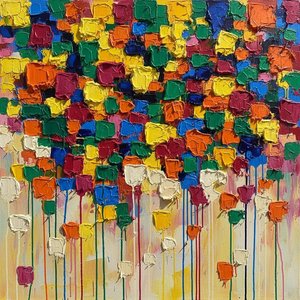
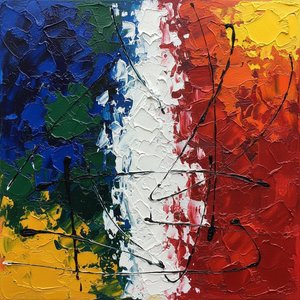
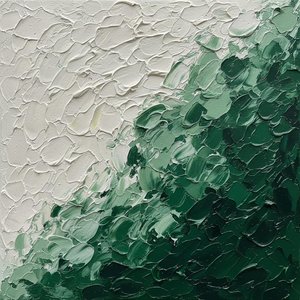
The true soul of an abstract masterpiece often resides in its physical relief. For the interior professional, understanding the tactility of a painting is essential when selecting pieces for textured environments. Works characterized by heavy impasto—where pigment is sculpted into ridges and valleys—demand a specific lighting vocabulary. When light is directed at an angle across the surface, it catches the peaks of the brushstrokes while casting miniature shadows within the troughs. This creates a living, breathing landscape on the wall, transforming a flat canvas into a three-dimensional sculpture.
Consider the breathtaking textures found in the works of David Moreau or Laurent Moreau, where the architecture of texture is paramount. In a hotel setting, utilizing grazing light—light that rakes across the surface from a sharp angle—can accentuate these heavy palette knife strokes and the rugged beauty of the pigment. This luminosity does more than just illuminate; it celebrates the craftsmanship of the artist. It allows guests to perceive the energy of each gestural stroke, making the artwork feel like an organic extension of the building's own architectural textures, from stone walls to velvet drapery.
Chromatic Resonance: How Light Temperature Influences Abstract Color Palettes
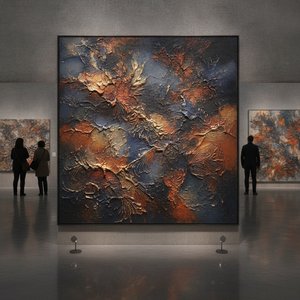 Top 25 Masterpieces by Christian Noiret: A Journey Through Abstract Texture and Light
Introduction To step into the world of Christian Noiret is to abandon the safety of recognizable forms and surrender to a profound, silent dialogue between light and matter. As one wanders through his most significant works, one does not merely obser...
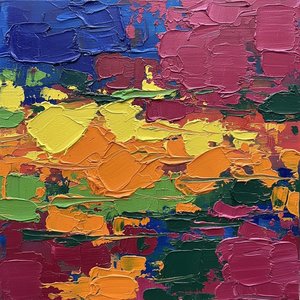
Color is never static; it is a fluid entity that reacts to the Kelvin scale of the surrounding environment. For a hotel designer, the temperature of the lighting system—whether warm, amber hues or cool, daylight-mimicking tones—will fundamentally alter the emotional resonance of an abstract collection. A palette dominated by deep umbers and forest greens, as seen in the study of Fragmented Silhouette in Forest Shadows, may feel cozy and enveloping under warm incandescent light, yet take on a stark, modern edge under cooler LED illumination.
Strategic color management requires an understanding of how metallic pigments interact with light. The gilded shadows found in Noiret’s more monolithic studies can shift from a subtle, burnished glow to a brilliant, blinding radiance depending on the light source. By harmonizing the color temperature of the architectural lighting with the chromatic intent of the artwork, a designer can curate a specific mood—be it the energetic pulse of a breakfast lounge or the tranquil stillness of a late-night library. This synergy ensures that the art does not merely sit upon the wall but actively participates in the atmospheric storytelling of the space.
Sculpting the Void: Utilizing Backlighting to Define Form and Silhouette
 Backlighting (lighting design)
In lighting design, backlighting is the process of illuminating the subject from the back. In other words, the lighting instrument and the viewer face each other, with the subject in between. This creates a glowing effect on the edges of the subject,...
To master the art of the "void" is to understand the power of silhouette. In contemporary abstraction, where recognizable forms are often eschewed for pure emotion, backlighting serves as a transformative tool. By illuminating a subject from behind, the designer can create a glowing effect on the edges of a composition, separating the artwork from its background and giving it a floating, ethereal quality. This technique is particularly effective when working with pieces that feature jagged, flame-like shards or cosmic fractures.
In a sophisticated interior, backlighting can be used to highlight the "edge" of an abstract form, much like the way light defines a silhouette in a forest shadow. This creates a sense of movement and kinetic energy, especially in works that utilize metallic bronze or silver pigments. When the light source is positioned behind or within the periphery of the frame, it emphasizes the boundary between presence and absence, turning a static painting into a dynamic encounter. It adds a layer of complexity to the visual journey, ensuring that the artwork remains a point of fascination from every angle of the room.
Integrating Art and Atmosphere: Strategic Lighting for Curated Hotel Interiors
 Architectural lighting design
Architectural lighting design is a field of work or study concerned with the design of lighting systems within the built environment, both interior and exterior. It can include the manipulation and design of daylight, electric light, or both, to serv...
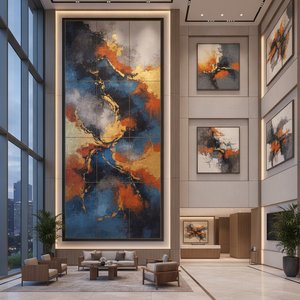
The ultimate goal of architectural lighting design is the seamless integration of art into the built environment. In luxury hospitality, lighting must serve multiple masters: it must provide functional clarity for guests while simultaneously acting as a spotlight for the curated collection. This requires a balance between ambient, task, and accent lighting. The designer must ensure that the light intended to illuminate a walkway does not wash out the delicate chiaroscuro of a featured masterpiece, nor should the art's glow create unwanted glare on polished surfaces.
A successful integration treats the entire room as a single, curated composition. This involves using dimming controls to transition the space from the bright, invigorating energy of morning to the low-key, intimate atmosphere of evening. When the lighting is tuned to the artwork, the art becomes the heartbeat of the interior design. It provides the narrative thread that connects the furniture, the architecture, and the guest experience, creating a cohesive world of luxury that feels both timeless and urgently modern.
The Curator’s Toolkit: Balancing Technical Precision with Aesthetic Emotion
Lighting designLighting design is essentially the careful design of lighting systems to meet specific objectives and requirements. Lighting systems can include electric lighting, daylighting, or both, as well as any associated controls. Support for human vision, he...
Designing for high-end spaces requires a dual mastery of science and art. On one hand, there is the technical requirement of illuminance, glare control, and energy efficiency; on the other, there is the profound need to evoke emotion and beauty. The professional designer must act as both engineer and poet, selecting lighting fixtures that meet rigorous standards while also understanding how a single beam of light can transform a piece of heavy impasto into a celestial explosion of color.
As we look toward the future of hospitality design, the ability to manipulate light and texture will remain the hallmark of excellence. Whether through the use of advanced LED technology or the careful placement of natural daylight, the objective remains the same: to enhance the experience of the space. By treating light as a medium—much like the oil and pigment used by the masters—the designer can create environments that are not just places to stay, but profound visual journeys that resonate with every guest who enters.
ArtsDot.com stands at the intersection of this artistic and technical excellence. As a global leader in premium art services, we specialize in providing hotels, restaurants, and interior designers with the tools to realize these ambitious visions. From hand-painted oil reproductions that capture every tactile ridge of an original masterpiece to large-scale architectural murals and custom commissions, our mission is to bring museum-quality artistry to the world's most prestigious spaces. With our professional digital mockup services, bespoke framing, and global logistics, we ensure that your curated vision is delivered with unparalleled precision and care.