
The Celestial Canopy: A Resurgence of Ornate Ceiling Design in Luxury Interiors
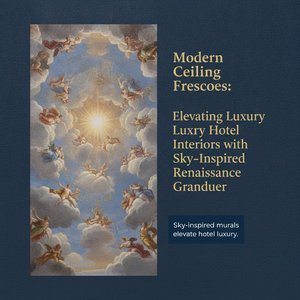
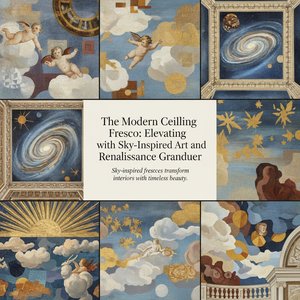 The Modern Ceiling Fresco: Elevating Interiors with Sky-Inspired Art and Renaissance Grandeur
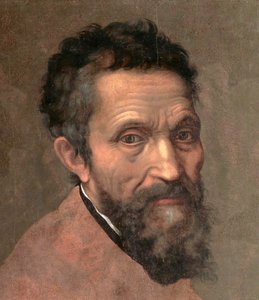
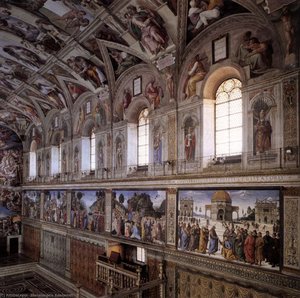
The Celestial Canopy: A History of Grandeur from the Sistine Chapel to Impressionist Murals Sistine Chapel ceiling The Sistine Chapel ceiling (Italian: Soffitto della Cappella Sistina), painted in fresco by Michelangelo between 1508 and 1512, is a co...
For decades, the ceiling has often been relegated to a mere structural boundary—a blank expanse awaiting a simple coat of paint. Yet, within the most prestigious corridors of contemporary design, we are witnessing a profound resurgence of the ornate. There is a growing yearning for visual richness and historical grandeur that transcends the minimalist trends of recent years. The ceiling, once an afterthought, is being reimagined as a celestial canopy, a sacred canvas where the earthly meets the divine. This shift represents more than just a decorative choice; it is an understanding of the untapped potential within architectural expanses to transform a space from functional to breathtakingly artistic.
To gaze upward in a well-designed room should be to embark on a journey through the very soul of human aspiration. By treating the ceiling as a focal point, designers can introduce a sense of depth and narrative that walls alone cannot achieve. This renewed appreciation for ceiling art allows for an immersive environment where every angle of a room contributes to a cohesive, luxurious atmosphere, inviting guests to lose themselves in a world of color and intricate detail.
Echoes of the Masters: Drawing Inspiration from Renaissance and Baroque Grandeur
 Sistine Chapel ceiling
The Sistine Chapel ceiling (Italian: Soffitto della Cappella Sistina), painted in fresco by Michelangelo between 1508 and 1512, is a cornerstone work of High Renaissance art. The Sistine Chapel is the large papal chapel built within the Vatican betwe...
The history of ceiling frescoes is inextricably linked to the heights of the Italian Renaissance and the exuberant dynamism of the Baroque era. When we contemplate the Sistine Chapel, we are not merely looking at paint on plaster; we are witnessing Michelangelo’s unparalleled mastery of the human form and his ability to weave complex theological narratives across a monumental expanse. His work established a standard of anatomical accuracy and idealized beauty that continues to haunt the dreams of modern designers.
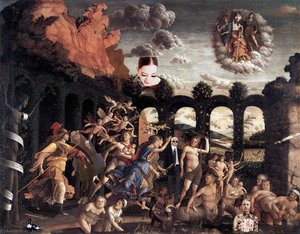
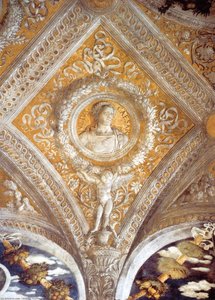
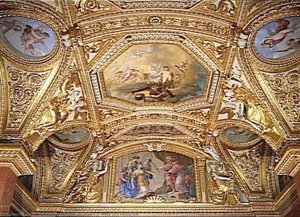
Beyond the High Renaissance, the transition into Mannerism and Baroque brought about a new level of emotional intensity and complexity. Artists like Agnolo Bronzino introduced a sense of exquisite stillness and courtly grace, as seen in his works for the Capella Eleonora, where allegorical figures create a tableau of profound contemplation. As we moved into the seventeenth century, visionaries such as Domenico Maria Canuti embraced the dramatic lighting and movement characteristic of the Baroque style. These historical movements offer a rich vocabulary of symbolism—from the celestial light of the Renaissance to the theatrical chiaroscuro of the Baroque—that can be meticulously reinterpreted to suit the sophisticated palettes of modern luxury interiors.
The Architecture of Illusion: Mastering Trompe l'Oeil for Contemporary Spaces
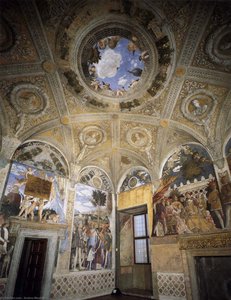
 pietro vassalletto
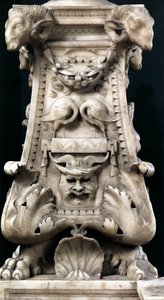
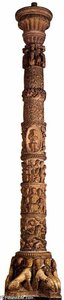
A Master of Illusion: The Life and Art of Pietro Vassalletto Pietro Vassalletto, a name resonating within the halls of Italian Renaissance art, stands as a testament to the enduring power of fresco painting and illusionistic ceiling design. While bio...
One of the most captivating techniques available to the contemporary designer is trompe l'oeil, or the art of illusion. This method seeks to deceive the eye, creating a sense of three-dimensional space where none exists. The mastery of this technique was epitomized by artists like Pietro Vassalletto, whose work in the Sala del Cinquecento demonstrated how painted coffers and architectural elements could expand the perceived boundaries of a room. By utilizing illusionistic design, a designer can manipulate the scale of a space, making a standard ceiling appear as a soaring dome or an intricate vaulted hall.
In modern applications, this technique serves to break the physical constraints of architecture. Through the clever use of perspective and shadow, trompe l'oeil frescoes can introduce architectural grandeur into even the most compact luxury suites. It is a sophisticated way to layer texture and depth into a design, providing a sense of monumental ambition that remains visually stimulating without overwhelming the room’s primary aesthetic.
Elevating Hospitality: Integrating Ceiling Frescoes into High-End Hotel Design
 Art That Lives With You: The Emotional Power of a Custom Interior Fresco
The Enduring Allure of Frescoes: A Historical Perspective strozzi-View of the frescoes in the Strozzi Chapel Explore Filippino Lippi’s stunning ‘Strozzi Chapel’ frescoes! Gothic architecture, vibrant colors & religious symbolism in a masterful Renais...
For the hotel designer, the challenge lies in creating an environment that is both memorable and profoundly immersive. A guest's experience is defined by the details—the way light hits a gilded surface or the sense of awe felt when entering a grand lobby. Integrating ceiling frescoes into high-end hospitality design offers a unique opportunity to establish a brand identity rooted in prestige and heritage. Unlike framed paintings that hang separate from the architecture, a fresco becomes an integral part of the building itself, enveloping the guest in a continuous narrative.
The emotional resonance of such art is unparalleled. A beautifully adorned ceiling can evoke tranquility in a spa, inspiration in a creative lounge, or solemn majesty in a formal dining hall. By utilizing large-scale ceiling art, designers can create "destination spaces" within a hotel—areas so visually striking that they become the hallmark of the property. This level of bespoke ornamentation signals to the discerning traveler that they are in a space where every element has been curated with intention and artistry.
<_______________>
From History to Canvas: Modern Techniques in Large-Format Mural Creation
 The Fresco as Family Legacy: Preserving Heritage Through Wall Art
A Timeless Art Form: Understanding Fresco Painting Wikipedia: Fresco (pl. frescos or frescoes) is a technique of mural painting executed upon freshly laid ("wet") lime plaster. Water is used as the vehicle for the dry-powder pigment to merge with the...
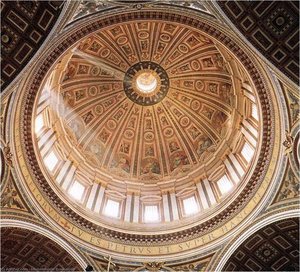
While the techniques of the past relied on wet plaster and painstaking labor, modern innovation allows us to recreate this historical splendor with unprecedented flexibility. At ArtsDot.com, we specialize in bringing these grand visions to life through large-format murals and frescoes designed specifically for the needs of professionals. Our works are created on massive canvas rolls, allowing for a seamless application that mimics the installation of high-end wallpaper. This makes it possible to recreate the majesty of the Sistine Chapel or the Baroque splendor of Genoa in any contemporary architectural setting.
Our service offers the ultimate "remix" of art history. We provide the ability to customize and adapt classical styles to fit a modern color palette, or even transform personal imagery into the impasto style of Van Gogh or the light-drenched elegance of Monet. Whether you are looking for a faithful reproduction of an Old Master or a completely bespoke commission, our artists—all holders of prestigious Fine Arts degrees—ensure that every brushstroke meets museum-grade standards. For the interior designer and hospitality buyer, ArtsDot.com provides a reliable, full-service solution for large-scale architectural art, complete with global logistics and professional coordination to ensure your vision is executed with absolute precision.