



The Philosophy of Permanence: Rejecting Digital Ephemerality for Artistic Longevity
 Handcrafted Heritage: Sustainability and Artistic Longevity in the Age of Custom Oil Paintings
The Enduring Appeal of Handcrafted Oil Paintings: A Legacy of Skill and Beauty Bridging Art & Ecology: Sustainable Practices at Discover how blends artistic excellence with environmental responsibility. Explore our sustainable practices, custom repro...
In an era defined by the rapid flicker of digital screens and the fleeting nature of social media trends, a profound longing has emerged among the world’s most discerning collectors for something truly enduring. We live in an age of digital ephemerality, where images are consumed and discarded with a single swipe, leaving behind no physical trace of their existence. This transient culture, while efficient, lacks the weight of history and the emotional resonance that only a tangible object can provide. To choose art is to make a stand against this disposability; it is an embrace of permanence in a world of shadows.
The true value of a masterpiece lies not in its ability to capture a momentary trend, but in its capacity to transcend time. When we contemplate the works of the Old Masters—the chiaroscuro of Caravaggio or the delicate luminosity of Vermeer—we are not merely looking at paint on canvas; we are engaging with a physical manifestation of human thought and intention that has survived centuries. This pursuit of longevity is, at its core, an act of resistance against the culture of the temporary. By investing in works that possess inherent durability, we anchor our spaces and our legacies in something substantial, creating a sanctuary of stability amidst the chaos of modern change.
The Alchemy of Materials: Natural Pigments and the Art of Eco-Conscious Craftsmanship
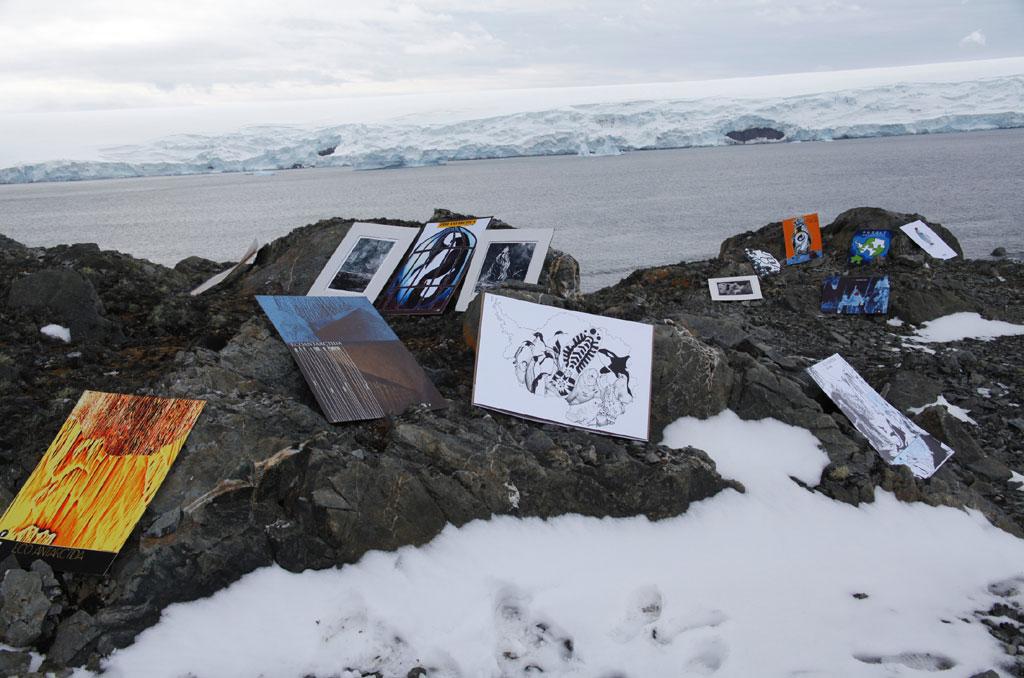 Sustainable art
Sustainable art is art in harmony with the key principles of sustainability, which include ecology, social justice, non-violence and grassroots democracy. Through the combination of artistic expression, creativity, and eco-friendly approach, sustaina...
True luxury has always been intimately connected to the purity of its origins. In the realm of fine art, this connection is found in the meticulous selection of materials that honor both the artist’s vision and the natural world. The traditional studio, once filled with the evocative scents of linseed oil and turpentine, is undergoing a sophisticated evolution. Today, the most prestigious commissions prioritize an eco-conscious approach to craftsmanship, seeking out natural mineral pigments and plant-encoded dyes that offer a depth of color unattainable by synthetic means.
This alchemy of art and ecology involves a deep respect for the earth’s resources. The use of organic oils, such as safflower to ensure whites remain pristine and free from the yellowing effects of time, represents a marriage of scientific precision and environmental stewardship. When an artist utilizes flexible gesso to prevent cracking and finishes a work with a protective coat of Damar varnish, they are not merely applying layers; they are building a fortress for the pigment against dust, moisture, and atmospheric pollutants. This commitment to high-quality, sustainable materials ensures that the artwork remains as vibrant for future generations as it was the moment the final brushstroke was laid.
Beyond Mass Production: The Zero-Waste Value of Bespoke Commissions
The modern consumer landscape is often characterized by an overwhelming abundance of mass-produced goods, much of which is destined for the landfill. In contrast, the tradition of bespoke commission offers a radical alternative: the zero-waste investment. A custom oil painting is the antithesis of the disposable; it is a singular, intentional creation that requires no replacement and leaves no footprint of excess. Unlike the printed poster or the digital print, which may lack soul and require frequent updating to remain relevant, a hand-painted reproduction is a definitive statement.
The beauty of a custom commission lies in its rejection of the assembly line. Every element—from the choice of 100% cotton canvas to the specific impasto texture that captures light—is curated to meet a unique aesthetic requirement. This process eliminates the waste associated with the cycle of buying, discarding, and replacing decor. Instead, it fosters a circularity of value, where the energy expended in the creation of the piece is preserved within the work itself for decades. To commission art is to participate in a deliberate economy of intention, where quality is prioritized over quantity, and beauty is measured by its ability to endure.
Curating a Legacy: How Custom Oil Paintings Serve as Sustainable Heirloom Investments
 Corrupted oil jerry crude oil
Banksy's 'Corrupted Oil Jerry' blends pastoral beauty with satirical commentary on oil dependency & environmental impact. A thought-provoking stencil print.
For the sophisticated collector or the interior designer curating a prestigious hospitality space, art is more than decoration; it is an asset class of emotional and cultural significance. A well-chosen oil painting functions as a sustainable heirloom, a piece of heritage that can be passed down through generations without losing its luster. This longevity transforms the act of purchasing art into a strategic investment in one's personal or professional legacy.
Unlike fashion or technology, which depreciate almost instantly, a hand-painted work of art gains character and historical weight as it ages. The subtle development of a craquelure finish can even add to its narrative depth, telling the story of its passage through time. When we curate collections of custom paintings, we are building a visual lineage. These works become the silent witnesses to family milestones or the dignified backdrop to a hotel’s storied history, providing a sense of continuity and class that mass-produced items simply cannot replicate.
The Intersection of Innovation and Tradition: Reimagining History through Sustainable Techniques
 Kenoteq Ltd
The Pioneering Vision of Kenoteq Ltd: Reimagining Art Through Sustainable Innovation Kenoteq Ltd represents a fascinating and relatively new force in the art world, though one deeply rooted in historical concerns about materials and process. Unlike t...
We stand at a fascinating crossroads where the cutting edge of technology meets the venerable traditions of the past. The contemporary art world is no longer bound by the rigid boundaries of historical imitation; instead, we are witnessing a beautiful era of "remixing" history. Through advanced digital tools, it is now possible to visualize how a 17th-century portrait might look in a modern setting, or even transform a personal photograph into a masterpiece in the style of Monet or Van Gogh.
This intersection allows for a new kind of sustainable creativity. We can use AI to explore compositions and color palettes, ensuring that when the human artist finally begins their work on canvas, the vision is perfected, thereby reducing the need for wasted materials or multiple iterations. This synergy of innovation and tradition does not diminish the importance of the human hand; rather, it elevates it. It allows us to breathe new life into historical styles, making them accessible and relevant to a modern aesthetic while maintaining the rigorous academic standards of fine art. In this way, we do not just preserve history—we reimagine it for a sustainable future.
At ArtsDot.com, we specialize in this very intersection of heritage and innovation. As a global flagship for premium art, we provide a curated experience for those seeking the extraordinary. Whether you are looking to transform a cherished memory into a hand-painted oil masterpiece or seeking large-scale architectural murals for a luxury hotel, our academy-trained artists deliver museum-grade excellence. We invite you to explore our vast catalog of reproductions and custom services, backed by our 100% satisfaction guarantee and a commitment to the enduring beauty of fine art.