

The Philosophy of Seasonal Curation: Aligning Art with the Natural Rhythm
To inhabit a truly curated space is to understand that a home is not a static museum, but a living, breathing entity that evolves alongside the world outside its windows. The practice of seasonal art rotation transcends mere decoration; it is an intentional dialogue between the architecture of our interiors and the rhythmic pulse of nature. When we align our visual surroundings with the shifting light and atmosphere of the passing months, we cultivate a profound sense of harmony and presence. This curation requires a discerning eye—one that recognizes how the crisp, invigorating clarity of a spring morning demands a different emotional resonance than the amber-soaked stillness of an autumn twilight.
True luxury lies in this ability to remain attuned to the ephemeral. By treating our walls as canvases for seasonal expression, we prevent the stagnation of style. A well-rotated collection allows a residence to breathe, offering moments of rejuvenation during the brighter months and deep, contemplative sanctuary when the days shorten. It is an exercise in mindfulness, inviting us to pause and observe the subtle transitions in color, temperature, and mood that define our human experience within the domestic sphere.
Spring & Summer: Embracing Light, Impressionist Landscapes, and Airy Palettes
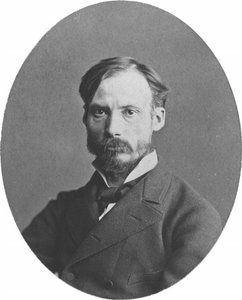
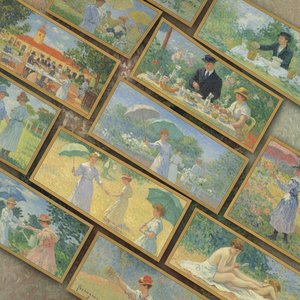 Renoir's Masterpieces: Explore 25 Iconic Paintings & Bring Art Home | ArtsDot
Introduction To embark on a journey through the top 25 artworks of Pierre-Auguste Renoir is to step into a world bathed in light, color, and an exquisite celebration of life. These paintings are not merely depictions of scenes; they are invitations—t...
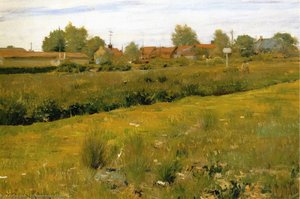
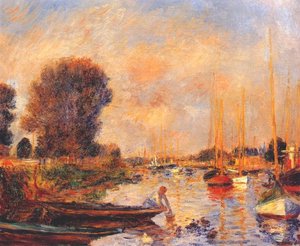
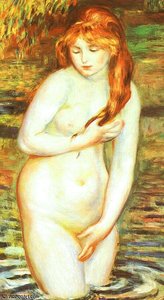
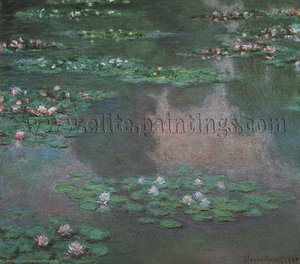
As the frost recedes and the world awakens, the interior should mirror this resurgence of vitality. The transition into spring and summer calls for an infusion of luminosity and movement. This is the season to embrace the legacy of the Impressionists, whose revolutionary en plein air techniques captured the very essence of sunlight dancing upon water and meadows. Imagine a grand salon transformed by the presence of Claude Monet’s water lilies or the sun-drenched, vibrant textures of Pierre-Auguste Renoir. These works, characterized by broken brushstrokes and a luminous palette, dissolve the rigid boundaries of the room, pulling the freshness of a Giverny garden directly into the heart of the home.
During these warmer months, the objective is to reduce visual weight and maximize light. Soft blues, pale greens, and shimmering whites create an atmosphere of airy elegance. One might consider introducing works that emphasize the fleeting beauty of a summer afternoon—pieces where the horizon vibrates with color and the air feels heavy with the scent of blooming flora. By selecting landscapes that celebrate the ephemeral flicker of a sunbeam or the soft haze of a morning mist, we invite the outdoors in, creating a seamless continuity between our curated sanctuaries and the radiant natural world.
Autumn & Winter: Introducing Depth, Texture, and Introspective Masterpieces
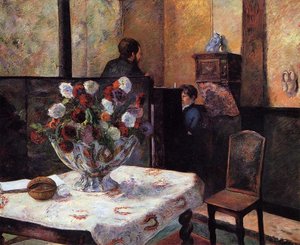 Interior of the Painter's House, rue Carcel
Interior of the Painter's House, rue Carcel – A Window into Gauguin’s Soul Paul Gauguin, a name synonymous with audacious color palettes and uncompromising vision, irrevocably altered the course of modern art. “Interior of the Painter’s House, rue Ca...
As the light wanes and the shadows lengthen, the art within a home should undergo a sophisticated metamorphosis. The arrival of autumn and winter invites us to retreat into more profound, introspective modes of thought. This is the season for depth, weight, and the embrace of the chiaroscuro effect. Where summer sought light, winter seeks soul. We move away from the airy Impressionist vistas toward works that possess a certain structural gravity and emotional intensity. The palette shifts toward the rich, earthy tones of ochre, umber, and terracotta—colors that ground the space and provide a sense of warmth against the encroaching chill.
Consider the profound impact of a Post-Impressionist interior, such as those depicted by Paul Gauguin or Jean Édouard Vuillard. These works often utilize more saturated, deliberate colors and a denser application of paint, known as impasto, which adds a tactile richness to the room. The presence of a masterpiece like Georges Braque’s Interior with Palette can transform a space into a site of quiet meditation, where the geometric simplification of forms encourages a slower, more contemplative pace. In winter, art serves as an anchor; it provides a sense of permanence and sanctuary, enveloping the inhabitant in layers of texture and historical resonance that celebrate the beauty found in stillness and shadow.
Strategic Rotation: Techniques for Integrating New Works into Established Interiors
The art of rotation is not about wholesale replacement, but rather about strategic layering and thoughtful integration. A sophisticated collector understands that a collection should possess a core of permanent, foundational pieces—works of enduring significance that provide the room with its historical identity—while allowing seasonal accents to dance around them. The challenge lies in introducing new textures or color stories without disrupting the established aesthetic equilibrium. This requires a keen understanding of composition and the ability to balance the "weight" of different eras and styles.
One effective technique is to use multi-panel arrangements or group sets to bridge the gap between permanent fixtures and seasonal additions. A large-scale, three-panel landscape can act as a dramatic seasonal centerpiece that commands attention without overwhelming the room's existing character. Furthermore, one might utilize the concept of "period shifts," where a modern element is subtly recontextualized through the introduction of a classical reproduction, creating a sophisticated tension between the contemporary and the timeless. The goal is to create a visual narrative that feels continuous yet ever-evolving.
The Collector's Approach: Balancing Permanent Collections with Seasonal Accents
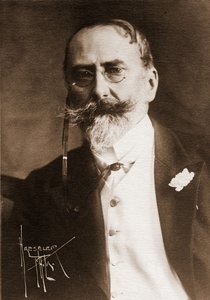
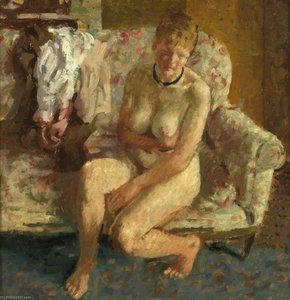 bernard dunstan
A Life Dedicated to Observation: The World of Bernard Dunstan Bernard Dunstan, Royal Academician (1920-2017), stands as a quietly compelling figure in 20th and 21st century British art. Though perhaps not a household name, his long career – he was th...
For the discerning collector, the distinction between the permanent and the ephemeral is vital. A permanent collection represents one’s legacy—the anchors of identity, such as a cherished family portrait or a significant acquisition from a renowned master. These pieces provide the architectural bones of the art program. In contrast, seasonal accents are the "jewelry" of the interior—works that are chosen for their specific ability to respond to the current atmosphere, perhaps a vibrant, textured landscape for July or a somber, architectural study for December.
This balance prevents the collection from feeling either overly transient or museum-like and stagnant. By curating seasonal accents with the same rigor applied to permanent acquisitions, the collector ensures that every change feels intentional and high-end. It is about creating a curated ecosystem where each new piece respects the history of what came before while offering a fresh perspective. This approach allows for a dynamic living environment that can be endlessly reimagined through the lens of different artistic movements, from the structured brilliance of Cézanne to the evocative, light-drenched interiors of Bernard Dunstan.
Preserving the Legacy: Professional Care and Longevity of Fine Art Rotations
To maintain the integrity of a rotating collection, one must adhere to the highest standards of preservation. Frequent movement of artwork, while aesthetically rewarding, requires meticulous care to ensure that every piece remains in pristine condition for generations. Protecting fine art from the elements is paramount; avoiding direct sunlight and maintaining stable humidity levels prevents the degradation of pigments and the cracking of delicate varnishes. When displaying oil reproductions, ensuring they are mounted on properly braced stretcher bars prevents warping over time.
Furthermore, the longevity of a collection depends on the quality of its materials. True connoisseurs look for works executed with archival-grade components—flexible gesso to prevent cracking, and specific oils like safflower to ensure whites do not yellow. The application of a protective Damar varnish is an essential final step, shielding the surface from dust and atmospheric pollutants. By treating art rotation as a professional stewardship, we ensure that our seasonal transformations are not merely fleeting moments of beauty, but part of a lasting, well-preserved legacy of aesthetic excellence.
At ArtsDot.com, we specialize in bringing this vision of seasonal elegance to life. Whether you seek a hand-painted oil reproduction of an Impressionist masterpiece to brighten your summer or a bespoke, custom commission to anchor your winter sanctuary, our artisans provide museum-quality excellence. From professional digital mockups to global logistics and expert art consultation, we are dedicated to helping you curate a world of timeless beauty.