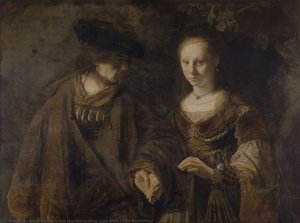
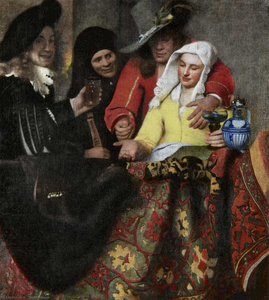
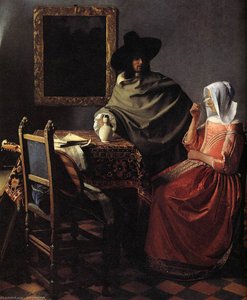

A Nation Reborn: The Economic Engine and the Rise of the Dutch Republic
 Golden Age Reflections: Dutch Baroque Painting & Cultural Innovation
The Rise of a Republic: Historical Context & Artistic Flourishing Wikipedia: Dutch Golden Age The Dutch Golden Age (Dutch: Gouden Eeuw [ˈɣʌudən ˈeːu, ˈɣʌudə ˈʔeːu]) was a period in the history of the Netherlands which roughly lasted from 1588, when t...
This economic boom created a unique social architecture. Unlike the aristocratic patronage that sustained the Baroque movements elsewhere, the Dutch art market was driven by a burgeoning middle class of merchants, craftsmen, and sailors. This shift in wealth meant that art was no longer the exclusive province of the church or the crown; it became a commodity of the home. The prosperity of this era provided the essential lifeblood for an artistic revolution, allowing for a flourishing of creativity that turned its gaze away from the heavens and toward the vibrant, tangible realities of earthly existence.
The Revolution of the Everyday: The Emergence of Genre Painting and Secular Subjects
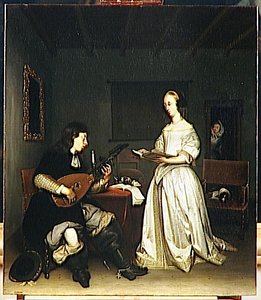 LE DUO CHANTEUSE ET JOUEUR DE LUTH THEORBE
LE DUO CHANTEUSE ET JOUEUR DE LUTH THEORBE – A Window into Dutch Golden Age Intimacy Gerard ter Borch’s “Le Duo: chanteuse et joueur de luth théorbé,” painted around 1669-1670, stands as a quintessential example of Dutch genre painting—a movement tha...
This fascination with the secular extended into the bustling streets and marketplaces of the Republic. Painters such as Hendrick Maertensz Sorgh pioneered the art of the market scene, capturing the rhythmic chaos of commerce with remarkable precision. Through his eyes, we see the vitality of Amsterdam—the clatter of goods, the intensity of trade, and the shared humanity of the crowd. Even more subtle were the works of artists like Johannes Dircksz. van Oudenrogge, who utilized a restrained palette to weave threads of realism through the tapestry of Dutch society. This era proved that there was as much dignity in a weaver’s workshop or a fish market as there was in any biblical epic, effectively democratizing the very subject matter of art history.
Luminous Realism: The Mastery of Light, Shadow, and Atmospheric Landscapes
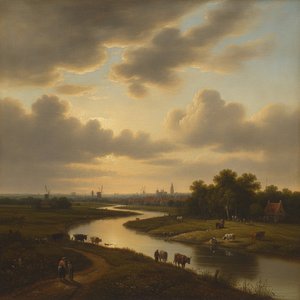 Golden Light & Dutch Skies: The Timeless Magic of Dutch Golden Age Landscapes
The Luminous Dawn: Understanding the Spirit of the Dutch Golden Age Dutch Masters: 10 Golden Age Paintings That Still Inspire | Introduction Imagine stepping into a world bathed in soft northern light, where everyday life is elevated to extraordinary...
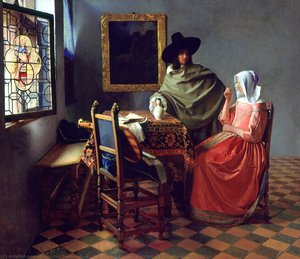
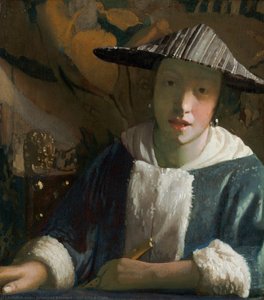
The landscapes of this era often evoke a sense of quiet grandeur, where the sky occupies as much importance as the land below. Whether it was the sweeping vistas of maritime scenes or the intimate, light-drenched interiors that define the works found in the Mauritshuis, the goal was always a profound realism. This luminous quality created a sense of depth and presence, making the viewer feel less like an observer and more like a participant in the scene. The ability to capture the ephemeral—the way light hits a glass or the movement of clouds over a distant polder—remains one of the most enduring legacies of the Dutch masters, offering a window into a world where nature and humanity exist in a delicate, beautiful equilibrium.
The Art of Identity: Portraiture and the Documentation of a New Merchant Elite
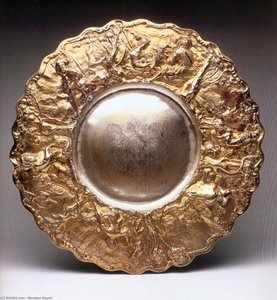 nicolaes keyser
Nicolaes Keyser: The Golden Weaver of Delft Nicolaes Keyser, a name often whispered in the halls of Dutch art history, remains an enigmatic figure despite his undeniable brilliance. Active primarily during the mid-17th century, he stands as one of De...
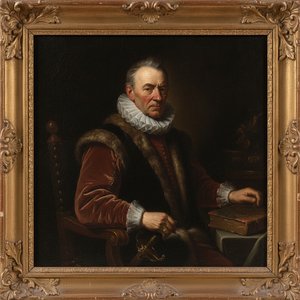
The technical brilliance of these portraits often lay in the artist's ability to render material wealth through texture. In Delft, artists like Nicolaes Keyser became renowned for their ability to make canvases shimmer with a distinctive golden hue, using light to accentuate the opulent fabrics and intricate jewelry of their subjects. These portraits were not merely static images; they were carefully constructed narratives of identity. Through the use of dramatic lighting and meticulous detail, the artists of the Golden Age ensured that the faces of the Dutch Republic would remain etched in history, providing a tangible connection to the individuals who built one of Europe's most powerful nations.
Timeless Elegance: The EndEnduring Legacy of Dutch Mastery in Modern Interior Design
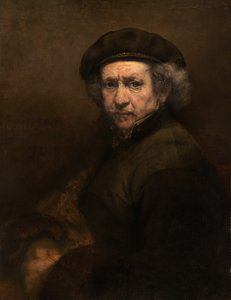
The aesthetic principles established during the Dutch Golden Age continue to resonate within the most sophisticated modern interiors. The era’s emphasis on balance, the dramatic use of light, and the celebration of high-quality textures provides a timeless foundation for luxury design. Today, the presence of a Dutch Masterpiece—whether it be a sweeping landscape or an intimate genre scene—servates as a profound anchor in a room, bringing a sense of history, weight, and soul to contemporary spaces.For the discerning collector or interior designer, the challenge lies in integrating these historical echoes into a modern context. At ArtsDot.com, we specialize in bridging this gap between centuries. We offer meticulously hand-painted oil reproductions that honor the original brushwork and tonal depth of the Old Masters, allowing you to bring the prestige of the 17th century into your home or hospitality project with absolute authenticity. From custom portrait commissions that transform personal memories into Rembrandt-style masterpieces to large-scale murals for architectural wonders, our mission is to ensure that the luminous legacy of the Dutch Golden Age continues to inspire and enchant generations to come.