
The Groomed Persona: Facial Hair as an Extension of Identity
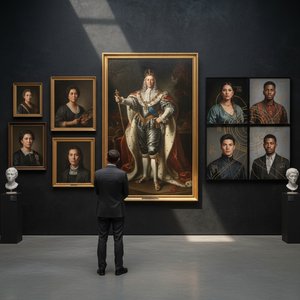
In the grand tapestry of human portraiture, the face serves as a primary canvas for the expression of the soul, yet it is often the subtle details—the curve of an eyebrow or the deliberate grooming of a mustache—that anchor a subject's identity within a specific era. Facial hair has never been merely biological; it is a curated performance of masculinity, authority, and social standing. When we gaze upon the portraits of the Old Masters, we are not just seeing hair, but a carefully constructed mask designed to communicate character to the viewer. The way a mustache is tapered or waxed can signal a person's adherence to the rigid etiquette of a royal court or their rebellious departure from it.
This grooming serves as an extension of the individual’s persona, acting as a visual shorthand for their place in the social hierarchy. To understand the history of facial hair is to understand the history of how humans have wished to be perceived. It is a silent language of bristles and shadows that speaks of discipline, vanity, and the profound desire to leave a lasting impression upon the annals of time.
Symbolism and Status: The Mustache in Classical Portraiture
Throughout the Renaissance and the Baroque periods, the mustache functioned as a potent symbol of prestige and martial prowess. In the meticulously rendered oil paintings of the 17th century, a well-defined mustache often accompanied the heavy armor or rich velvets of the aristocracy, lending an air of gravity and command to the sitter. The brushstrokes used by masters of this era were not merely descriptive; they were architectural, building the texture of hair to suggest the very weight of the subject's responsibility. A thick, dark mustache could denote strength and virility, while more delicate, manicured styles suggested a refined, courtly elegance.
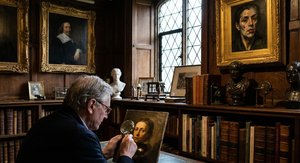
The artistry involved in capturing these details required an immense mastery of light and shadow, or chiaroscical technique. Artists utilized fine sable brushes to layer pigments, creating a sense of depth that made the hair appear almost tactile. This attention to detail ensured that the mustache was not just a feature, but a focal point of status. When we look at these works today, we see how the interplay of light on a single strand of painted hair can evoke the entire atmosphere of a bygone era of grandeur and structured social order.
Avant-Garde Whiskers: Breaking Boundaries with Surrealist Grooming
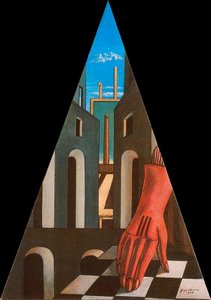
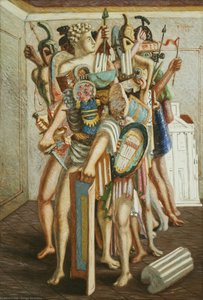
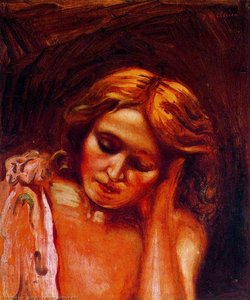
As the art world moved into the 20th century, the rigid symbolism of the past began to dissolve, replaced by the dreamlike distortions of the avant-garde. The Surrealists, in particular, took the familiar elements of the human face and repurposed them to challenge our perception of reality. In this movement, facial hair was no longer a signifier of social rank but a tool for psychological exploration. Artists began to manipulate the boundaries between the organic and the abstract, using the lines of a mustache to lead the eye into unexpected, often unsettling, compositions.
This era saw a departure from realism toward a more symbolic, often fragmented, representation of the self. The mustache could become a surrealist object in its own right—displaced, exaggerated, or integrated into landscapes and dreamscapes. This period taught us that the most recognizable features of our identity can be deconstructed to reveal the subconscious truths beneath. By breaking the traditional rules of portraiture, these artists invited viewers to look past the surface and find meaning in the unexpected geometry of a groomed silhouette.
Gender and Performance: Reimagining Hair in Contemporary Art
In the contemporary landscape, the conversation around facial hair has expanded into profound explorations of gender fluidity and identity politics. Modern artists have moved beyond the binary interpretations of masculinity to use hair as a medium for questioning what it means to be human. We see this in groundbreaking performance art, such as the works of Ana Mendieta, where the concept of hair—and its transplantation or removal—becomes a visceral metaphor for the loss and reclamation of identity. Here, the focus shifts from the aesthetic beauty of the mustache to the raw, political implications of bodily autonomy.
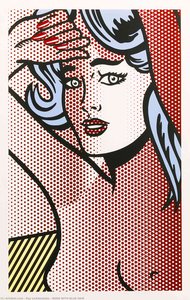
Contemporary portraiture often utilizes the presence or absence of facial hair to subvert traditional expectations of gender roles. By blurring the lines between masculine and feminine grooming, artists create a space for a more inclusive visual language. This era of art invites us to reflect on how much of our "identity" is actually a performance shaped by cultural norms. The mustache, once a symbol of unshakeable authority, is now a site of beautiful, complex negotiation between the individual and the society that observes them.
The Aesthetic Legacy: How Facial Hair Shapes Our Visual Language
Ultimately, the history of the mustache in art is a testament to the enduring power of detail. From the heavy impasto of classical oil paintings to the sharp, clean lines of modern graphic portraiture, facial hair remains a vital element in our visual lexicon. It provides the necessary contrast and character that prevents a portrait from becoming a mere likeness, transforming it instead into a narrative. The legacy of these iconic styles continues to influence contemporary fashion, photography, and even digital art, proving that the shadows cast by a well-placed mustache are far from fading.
As we continue to curate our personal spaces with art, we carry these historical echoes with us. Whether through a large-scale oil reproduction that captures the textured grandeur of the Baroque or a modern print that celebrates surrealist abstraction, the presence of such iconic features allows us to connect with the profound human tradition of self-expression. We do not just look at these paintings; we participate in a centuries-old dialogue about who we are and how we choose to present ourselves to the world.
At ArtsDot.com, we celebrate this rich tapestry of human creativity. Our mission is to make the profound beauty of art history accessible to everyone through our exquisite collection of hand-painted reproductions and custom commissions. Whether you wish to transform a personal photograph into a 17th-century masterpiece or find a striking piece of contemporary portraiture for your home, our master artists are dedicated to preserving the soul of every brushstroke. Explore our vast library of works and discover how you can bring the timeless elegance of art history into your modern life.