
Introduction
To step into the world of Baroque painting is to surrender to the drama of light and the profound weight of human emotion. It is an era where the canvas ceased to be a mere surface and became a stage—a place where shadows breathe, where gold flickers in the candlelight, and where the boundary between the viewer and the divine begins to dissolve. The Baroque movement, flourishing across Europe from the late 16th to the early 18th century, was born from a period of intense spiritual fervor and political grandeur, capturing the very essence of tension, movement, and theatricality.
During this transformative epoch, artists moved away from the balanced, serene compositions of the Renaissance toward something far more visceral. Through the mastery of chiaroscuro —that breathtaking interplay of deep, velvety darkness and piercing brilliance—painters learned to direct our gaze and stir our souls. Whether it was the Counter-Reformation’s call to inspire awe through religious ecstasy or the burgeoning opulence of royal courts seeking to project absolute power, the Baroque era redefined how we perceive reality itself.
These masterpieces remain profoundly meaningful today because they speak a universal language of feeling. We see our own struggles, our triumphs, and our deepest vulnerabilities reflected in the weathered skin of a saint or the turbulent skies of a maritime landscape. The textures of oil on canvas—the visible, rhythmic brushstrokes that we so cherish at ArtsDot.com—carry an ancestral pulse that modern technology can only hope to emulate.
In the following curation, we invite you to walk alongside us through a gallery of legends. We have selected ten pivotal works that do more than merely represent an era; they embody the very heartbeat of the Baroque. Prepare to encounter canvases that command attention, evoke mystery, and continue to define the pinnacle of artistic achievement.
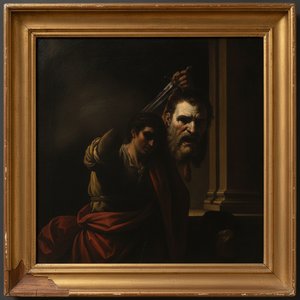
Ecce Homo - Caravaggio
 Ecce Homo - Caravaggio
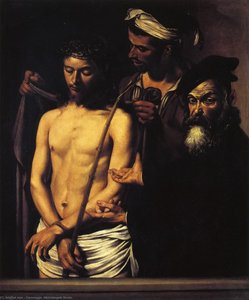
In the haunting shadows of Ecce Homo by Caravaggio, time itself seems to hold its breath, suspended in a moment of profound spiritual confrontation. As one of the definitive masterpieces of the Baroque painting movement, this work transcends mere biblical illustration to become an visceral encounter with human vulnerability. Caravaggio utilizes his revolutionary tenebrism —an intense, theatrical interplay of light and deep shadow—to pull the viewer into the center of the drama. The brilliant, focused light illuminates the textures of wounded flesh and heavy drapery, while the surrounding darkness swallows the periphery, creating an atmosphere of sacred isolation.
The painting’s mastery lies in its ability to evoke raw empathy through stark realism; there is no idealized beauty here, only the weight of truth. For the modern collector or interior designer, such a piece brings a sense of quiet prestige and dramatic depth to a space. It serves as a powerful focal point that invites contemplation, offering a sophisticated anchor of historical gravity and emotional resonance to any curated collection.
The Entombment (detail) - Caravaggio
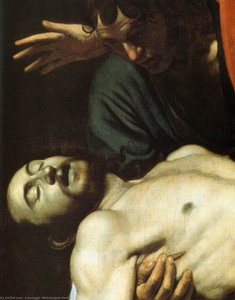 The Entombment (detail) - Caravaggio
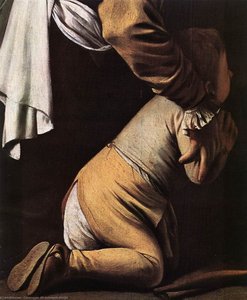
In the heavy, breathless silence of 1602, Caravaggio captured more than a biblical event; he froze a moment of raw, human vulnerability. In this detail from The Entombment , the air feels thick with the weight of mortality. Through his revolutionary use of tenebrism , Caravaggio directs a singular, piercing shaft of light onto the pale, lifeless form of Christ, pulling it violently from an abyss of impenetrable shadow. This is not the idealized divinity of the Renaissance, but a visceral, tactile reality where every furrowed brow and strained muscle tells a story of profound grief.
The dramatic chiaroscuro creates a sculptural depth that makes the figures appear almost tangible, as if they might step from the canvas into our own space. For the discerning collector or interior designer, such a masterpiece offers more than mere decoration; it provides a focal point of intense emotional gravity. Integrating the stark contrasts and somber tones of Baroque painting into a modern study or a grand hall can inspire deep reflection, lending an atmosphere of timeless sophistication and quiet, commanding strength to any curated environment.
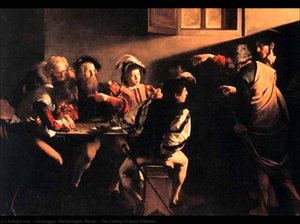
Supper at Emmaus - Caravaggio
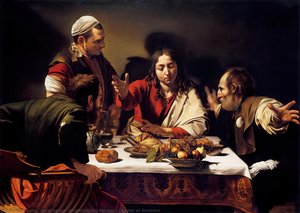 Supper at Emmaus - Caravaggio
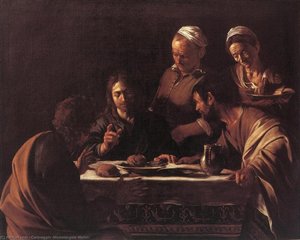
Before the world recognized him as a titan of the Baroque, Caravaggio was a street-level observer of human grit, often using common laborers as models for his divine subjects. In Supper at Emmaus (1601), this raw authenticity transforms a biblical encounter into a visceral, cinematic event. The painting is a masterclass in tenebrism ; Caravaggio uses piercing shafts of light to puncture an enveloping darkness, forcing the viewer to witness the exact moment of Christ’s revelation. There is no idealized grace here—only the startling realism of weathered hands, a teetering basket of fruit, and the palpable shock etched into the disciples' faces.
This revolutionary use of chiaroscuro does more than create depth; it commands an emotional presence that transcends centuries. The dramatic tension and focused intensity found within this masterpiece serve as a profound inspiration for the modern collector. Much like the quiet strength required to curate a significant collection, the atmospheric weight of Caravaggio’s work can anchor a sophisticated home office or study, fostering an environment of deep contemplation and intellectual focus.
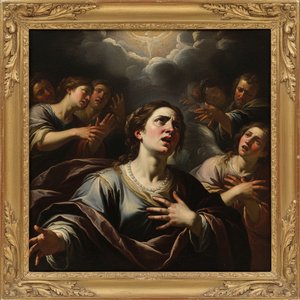
Self Portrait as Saint Catherine of Alexandria - Artemisia Gentileschi
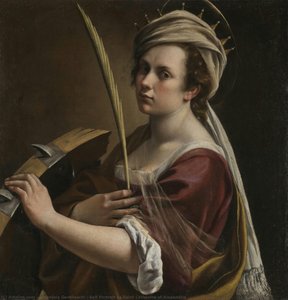 Self Portrait as Saint Catherine of Alexandria - Artemisia Gentileschi
In the pantheon of the Baroque painting movement, few works possess the raw, psychological depth found in Self Portrait as Saint Catherine of Alexandria by Artemisia Gentileschi. This 1615 masterpiece serves as a cornerstone of our selection, capturing a profound intersection of personal resilience and religious iconography. Through a masterful application of Caravaggesque chiaroscuro , Gentileschi utilizes dramatic light to pierce through heavy, enveloping shadows, illuminating a face that radiates both intellectual wisdom and an indomitable spirit.
The painting’s visual language—defined by stark contrasts and a somber, regal palette—offers timeless inspiration for contemporary high-end interiors. The interplay of deep blacks and luminous skin tones creates a sophisticated, moody ambiance that resonates in modern luxury design, particularly when seeking to introduce a sense of historical gravity and drama to a curated space. As a pioneer of the Baroque era, Gentileschi does not merely depict a saint; she invites the viewer into a visceral experience of strength, making this work an essential study in the emotional power of light and shadow.
Officer and Laughing Girl - Johannes Vermeer
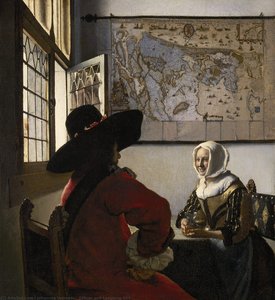 Officer and Laughing Girl - Johannes Vermeer
In Officer and Laughing Girl , Johannes Vermeer captures a fleeting heartbeat of the Dutch Golden Age, transforming a quiet domestic encounter into a profound study of light and human connection. This masterpiece does not merely decorate a space; it breathes life into it, inviting the viewer to witness a moment of subtle flirtation and social intrigue. The composition is anchored by the luminous, directional light that spills across the table, illuminating the girl’s joyful expression and the vibrant textures of her attire.
Vermeer’s mastery of the Baroque style is evident in the rich, sensory contrasts: the officer’s commanding red coat and prestigious beaver hat set against the soft, intimate atmosphere of the room. Every detail, from the delicate glint on the wine glass to the meticulously rendered map of Holland on the wall, serves as a window into 17th-century life. To possess such a work is to surround oneself with genius, turning any interior into a gallery of the soul where history and emotion converge.
The Blinding of Samson - Rembrandt van Rijn
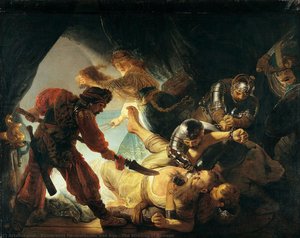 The Blinding of Samson - Rembrandt van Rijn
In the pantheon of the Top 10 Masterpieces That Defined the Baroque Painting Art Movement , few works command the visceral gravity of Rembrandt van Rijn’s The Blinding of Samson (1636). This is not merely a biblical chronicle; it is a profound meditation on the fragility of strength and the devastating sting of betrayal. Rembrandt utilizes his legendary chiaroscuro to pierce through the darkness, casting a harsh, dramatic light upon the moment Samson’s vulnerability is laid bare by Delilah’s treachery.
The painting transcends its historical era through its raw, psychological depth. The thick, expressive impasto brushstrokes and the chaotic interplay of shadow and flesh create a sensory experience that feels startlingly modern. In today's curated interiors, where the tension between light and shadow defines contemporary luxury, this masterpiece serves as a powerful cultural touchstone. It reminds us that true beauty often resides in the most turbulent human emotions, making it an essential cornerstone for any serious collection of Baroque masterpieces .
The Procuress - Johannes Vermeer
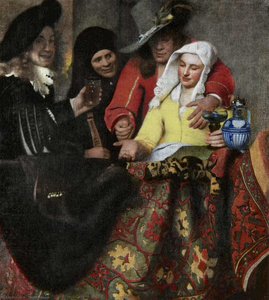 The Procuress - Johannes Vermeer
In the quiet shadows of 17th-century Delft, The Procuress by Johannes Vermeer exists as a whispered secret, a moment of voyeuristic tension frozen in time. As one of the most significant works within the top 10 masterpieces that defined the Baroque painting art movement , this piece marks Vermeer’s profound transition into genre painting, capturing the delicate friction between social commerce and private desire. The canvas breathes with the dramatic use of chiaroscuro , where light does not merely illuminate but sculpts the scene, catching the shimmering silk of a vibrant yellow gown and the translucent glint of scattered wine glasses.
The composition is a masterclass in Baroque storytelling; every texture, from the heavy weave of a carpet to the cold gleam of coins, invites the viewer into a world of subtle intrigue. For the modern collector, this painting offers more than historical value—it brings an air of sophisticated mystery and intellectual depth to a curated interior. To possess a reproduction of such a work is to invite the tranquil yet profound light of the Dutch Golden Age into your own sanctuary, fostering a space of timeless elegance and contemplative grace.
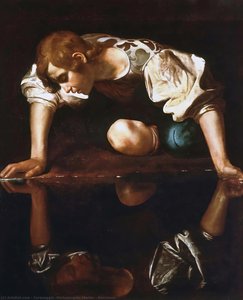
Bacchus - Caravaggio
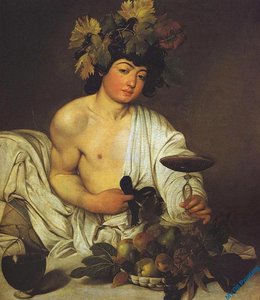 Bacchus - Caravaggio
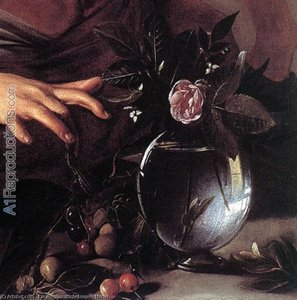
In Caravaggio’s 1596 masterpiece, the lines of Bacchus are not merely painted; they are choreographed in a silent, intoxicating movement. This is not a static composition; it is a dance frozen in time , where the Roman god of wine leans toward the viewer with a gaze that is both inviting and unsettling. Through the revolutionary use of tenebrism , Caravaggio orchestrates a dramatic interplay of light and shadow, pulling the lush textures of ripe fruit and translucent skin from an impenetrable darkness.
The painting captures the very essence of the Baroque movement—the tension between divine myth and raw, earthly realism. As the single, piercing beam of light sculpts Bacchus’s youthful form, the shadows whisper of hidden decadence. It is a work that commands the room, transforming a simple scene into an emotional experience. What if your own walls could breathe rhythm ? To possess such a piece is to invite that same profound balance of chaos and harmony into your private sanctuary, allowing the dramatic soul of the Baroque era to resonate within your home.
Birth of St John the Baptist - Artemisia Gentileschi
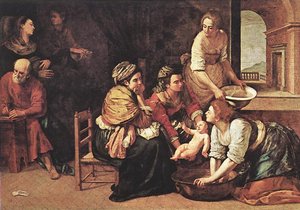 Birth of St John the Baptist - Artemisia Gentileschi
In the profound shadows of 1635, The Birth of St John the Baptist by Artemisia Gentileschi emerges as a breathtaking moment of light frozen in time, where the sacred and the visceral collide. This masterpiece is immortalized among the top 10 defining works of the Baroque painting movement due to its unparalleled emotional gravity and its masterful command of tenebrismo . Gentileschi does not merely paint a biblical event; she orchestrates a symphony of dramatic chiaroscuro, where piercing highlights dance against deep, velvety darkness to reveal the raw humanity of childbirth.
The canvas breathes with sensory richness—the heavy textures of fabric, the soft glow illuminating Mary Magdalene, and the poignant symbolism of the bowl and chair that anchor the composition in quiet contemplation. For the modern collector or interior designer, this work offers more than historical significance; it brings a sophisticated, dramatic soul to a space, providing a focal point of profound psychological depth. It is a testament to resilience and artistry, inviting viewers to experience the palpable tension between human vulnerability and divine grace.
The Holy Family at Night, Rembrandt van Rijn (workshop of), c. 1642 - c. 1648 - Rembrandt van Rijn
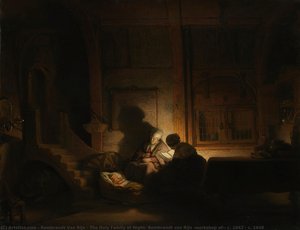 The Holy Family at Night, Rembrandt van Rijn (workshop of), c. 1642 - c. 1648 - Rembrandt van Rijn
In the quietude of a dimly lit interior, The Holy Family at Night unfolds as a profound symphony of shadow and light. Attributed to the workshop of Rembrandt van Rijn, this masterpiece does not merely reflect illumination; it composes it, much like a musician crafting a hauntingly beautiful sonata. Within this sacred space, the dramatic interplay of chiaroscuro breathes life into the scene, where flickering warmth dances across worn fabrics and rustic textures, sculpting the forms of Mary, Joseph, and the infant Jesus.
This work stands as a pillar of the Baroque painting movement because it uses light as a visceral language to explore human vulnerability. The extreme contrasts—the tenebrismo that defines the Dutch Golden Age—direct your gaze toward the heart of the composition, turning a private domestic moment into an eternal meditation on faith. To invite such a piece into your collection is to bring more than just decor; it is to open a portal of inspiration, allowing the evocative shadows and golden glows of the 17th century to transform your walls into a sanctuary of historical grandeur.
Conclusion
As the light fades on our journey through the Baroque era, we are left with more than just a memory of dramatic shadows and radiant highlights; we carry with us the profound emotional resonance of an age that dared to make the divine feel tangible. These masterpieces are not merely relics of a bygone century held within museum walls; they are living, breathing presences. They possess a unique ability to command a room, to stir the soul, and to bridge the gap between historical grandeur and our contemporary lived experience. When we encounter the tension of a Caravaggio or the celestial movement of Rubens, we are participating in a timeless human dialogue about passion, struggle, and beauty.
At ArtsDot.com , we believe that such profound artistry should not be confined to archives, but should serve as the heartbeat of the world's most exquisite spaces. For the discerning interior designer, the visionary hotelier, or the collector of fine villas, we act as a dedicated creative partner, translating the drama of the Baroque into bespoke architectural statements. Whether you are curating a cohesive multi-panel installation for a grand staircase or seeking a custom 'period shift' to infuse a modern suite with 17th-century soul, our atelier is at your service. Through our professional digital mockup service, we allow you to visualize these textures and tones within your specific design palette before a single brushstroke touches the canvas.
Every hand-painted oil reproduction we create is a tribute to this heritage, meticulously crafted by academic artists to ensure that the depth of color and the tactile energy of the original movement are preserved for generations. We invite you to explore our full collection and discover how the enduring power of the Baroque can transform your next project into an unparalleled artistic legacy.