The Iron Tulip: A Life Forged in Football and Art
Aloysius Paulus Maria ‘Louis’ van Gaal, a name synonymous with tactical brilliance and often, intense scrutiny, is far more than just a football manager. Born in Amsterdam on August 8th, 1951, he represents a fascinating intersection of athletic prowess, strategic thinking, and an undeniable artistic sensibility – qualities now brilliantly reflected in the meticulously crafted Delft garniture sets offered by ArtsDot.com. Van Gaal’s journey began not with a paintbrush but with a football, honed through years playing for clubs like Royal Antwerp, Telstar, and Ajax, before transitioning to coaching, a role where his unique vision quickly established him as a force to be reckoned with.
Van Gaal's early career was marked by a quiet dedication to the game. He wasn’t a flamboyant star; instead, he developed an astute understanding of tactics and player development, initially working as a physical education teacher alongside his football pursuits. This grounding in pedagogy would later inform his managerial style – a blend of rigorous discipline and insightful observation. His time at AZ Alkmaar, where he served as assistant coach, provided crucial experience, laying the groundwork for his future leadership roles.
The Rise to Managerial Prominence
Van Gaal’s ascent began in 1991 when he took charge of Ajax, a club steeped in history and tradition. It was here that his reputation truly blossomed. Within just three seasons, he led the Amsterdam giants to an unprecedented treble – the Eredivisie title, the UEFA Cup, and the UEFA Champions League. This remarkable achievement cemented his status as one of the most promising managers in European football. His tactical innovations, characterized by a relentless focus on pressing and possession, were revolutionary for the time.
Moving to Barcelona in 1997, Van Gaal continued to refine his approach, securing two La Liga titles and a Copa del Rey. However, disagreements with club officials ultimately led to his departure. His subsequent spell with the Netherlands national team was less successful, failing to qualify for the 2002 World Cup, but this didn’t diminish his impact on the game. He returned to management, taking charge of AZ Alkmaar again, winning a second Eredivisie title and demonstrating his enduring tactical acumen.
Bayern Munich and Manchester United: Contrasting Chapters
Van Gaal's move to Bayern Munich in 2009 marked a new chapter. He achieved considerable success, securing the Bundesliga title, the DFB-Pokal, and reaching the Champions League final – a testament to his ability to adapt and excel in different environments. However, his time at Manchester United proved more turbulent. Despite winning the FA Cup, he was ultimately dismissed after just two seasons, highlighting the challenges of implementing his demanding style within a club with different expectations.
Throughout his managerial career, Van Gaal has earned the nickname “The Iron Tulip” – a moniker reflecting both his stern demeanor and his relentless pursuit of victory. This persona, combined with his tactical brilliance, has made him one of the most recognizable figures in football history. His influence extends beyond the pitch, shaping the way managers approach the game today.
Delftware Reflections: Artistry Beyond the Touchline
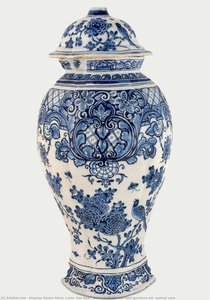
Interestingly, Van Gaal’s artistic inclinations are reflected not just in his tactical mind but also in his appreciation for traditional crafts. The meticulously detailed Delft garniture sets offered by ArtsDot.com – featuring iconic scenes of the Royal Palace Amsterdam and other Dutch landmarks – demonstrate a deep respect for the artistry and history of Delftware. The precision, symmetry, and rich colors of these ceramics mirror Van Gaal’s own strategic approach to football: a carefully constructed plan executed with unwavering determination.
Like a well-executed tactical maneuver, each piece in a Delft garniture set is precisely placed, contributing to a larger, harmonious whole. Similarly, Van Gaal's career has been built on a series of calculated decisions and strategic moves, culminating in remarkable achievements. The artistry of Delftware, therefore, serves as a fitting metaphor for the life and legacy of this complex and compelling figure – a man who seamlessly blends the worlds of football and art.
A Legacy of Innovation
Louis van Gaal’s impact on football is undeniable. He has consistently pushed boundaries, introducing innovative tactical approaches and demanding an unparalleled level of commitment from his players. His influence can be seen in the strategies employed by countless managers today. Beyond the trophies and accolades, Van Gaal's legacy lies in his ability to inspire, challenge, and ultimately, transform the game – a transformation that continues to resonate within the world of football and now, through the exquisite artistry of ArtsDot.com’s hand-painted reproductions.