A Swedish Soul in the Heart of London
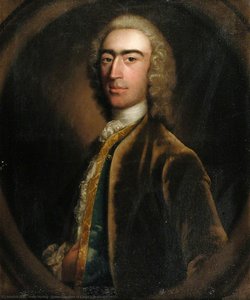
The story of Hans Hysing, often known by his more elegant variation Hans Huyssing, is a captivating tale of artistic migration and the seamless blending of Northern European precision with English refinement. Born in Stockholm around 1678, Hysing’s early life was far removed from the gilded halls of London’s aristocracy. Before he ever picked up a brush to capture the likeness of royalty, his hands were trained in the meticulous craft of a goldsmith. This foundational apprenticeship provided him with an eye for minute detail and a reverence for texture—qualities that would later become the hallmarks of his portraiture. His formal transition into the world of fine art began under the tutelage of David von Krafft, a master who helped shape the young Swede's burgeoning talent.
Around the turn of the 18th century, Hysing embarked on a transformative journey that would redefine his destiny. Moving to England in 1700, he arrived not as a stranger seeking fame, but as an assistant to the established Swedish portraitist Michael Dahl. This period of collaboration was pivotal; living and working alongside Dahl allowed Hysing to absorb the nuances of the English portrait tradition while maintaining a distinctive Continental flair. When Dahl eventually passed away, Hysing did more than merely inherit a studio; he succeeded to a prestigious practice, adopting and refining a manner of painting that resonated deeply with the British elite.
The Majesty of Royal Patronage
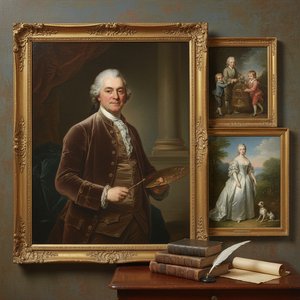
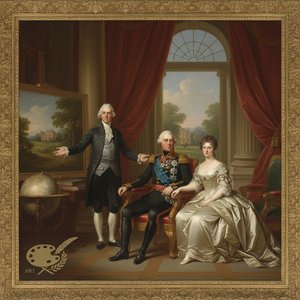
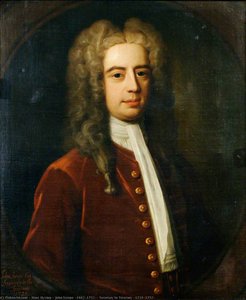
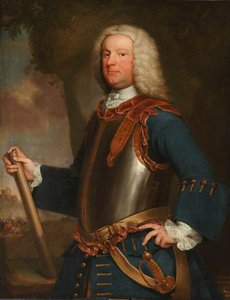
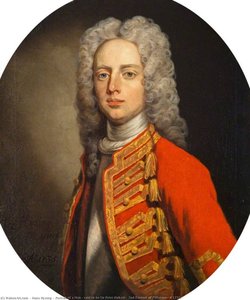
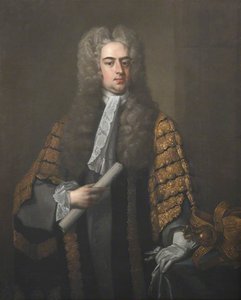
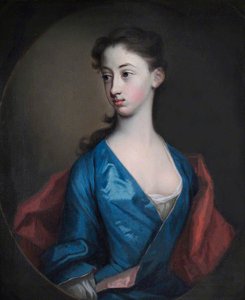
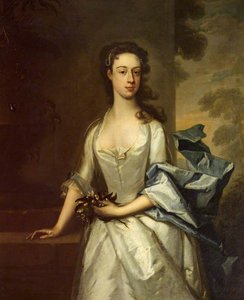
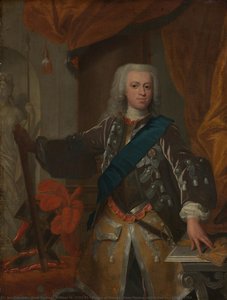
As Hysing’s reputation flourished in London, his canvas became a stage for the most influential figures of the Georgian era. His ability to capture not just the physical likeness but the psychological depth and social standing of his subjects earned him the favor of the House of Hanover. He found himself entrusted with the intimate task of painting the royal family of George II, producing evocative portraits of Queen Caroline and the three royal princesses. Perhaps most touching is his depiction of a young George III, an image that captures the innocence of a future monarch through Hysing’s masterful use of light and soft, dignified brushwork.
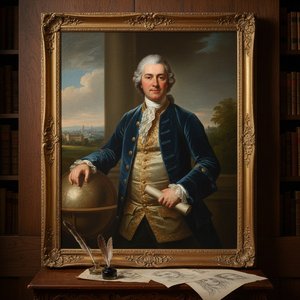
Beyond the palace walls, Hysing’s reach extended into the very fabric of British political and intellectual life. His subjects were the architects of an era, including:
- Sir Robert Walpole, the first Prime Minister of Great Britain, whose portrait demanded a sense of statesmanlike gravity.
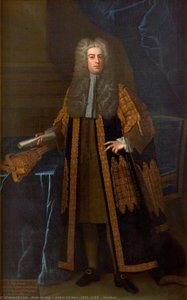
- Arthur Onslow, the long-serving Speaker of the House of Commons, captured with the dignity of his office.
- James Gibbs, the renowned architect, whose work helped shape the very skyline Hysing lived within.
- Dr. John Theophilus Desaguliers, a key figure in the scientific revolution, representing the intellectual vigor of the age.
A Legacy Etched in Mezzotint
The true historical significance of Hans Hysing lies not only in the original oils that graced manor houses but in the widespread dissemination of his vision through printmaking. Through a brilliant synergy with master engravers like John Faber, Hysing’s portraits were translated into exquisite mezzotint prints. This medium, known for its rich, velvety blacks and subtle gradations of tone, allowed his likenesses to travel far beyond the private galleries of London, reaching the hands of collectors across Britain and Europe. These engravings ensured that his artistic language—a blend of Swedish precision and English elegance—became a permanent fixture in the visual lexicon of the 18th century.
Though the archives of his early years remain somewhat shrouded in the mists of time, the enduring presence of his work in institutions like the British Museum serves as a testament to his impact. Hysing was more than a mere chronicler of faces; he was a vital participant in the cultural dialogue of the Enlightenment, bridging the gap between the craftsmanship of the North and the burgeoning grandeur of the British Empire.