The Indian Postal Service: A Legacy of Art and Nationhood
The Indian Postal Service, more than just a delivery mechanism, has served as an extraordinary canvas for artistic expression throughout its history—a testament to India’s cultural heritage and evolving identity. From humble beginnings in 1854 under British rule to its current status as the world's largest postal network, the service has consistently championed commemorative covers and postal art projects that reflect significant moments in Indian history. This vast institution has acted as a silent curator of the nation's soul, using the miniature medium of the postage stamp to broadcast visual narratives across borders and generations.
Early philatelists recognized the potential of stamps not merely for communication but also for preserving visual legacies. Initial designs focused on portraits of monarchs and dignitaries—a reflection of colonial influence—yet swiftly embraced themes celebrating India’s independence movement, religious figures, and cultural traditions. This evolution demonstrates a deliberate effort to solidify national pride and disseminate knowledge about India's rich past. Through the delicate art of engraving and lithography, the service transformed simple paper into windows of historical significance, capturing everything from the architectural majesty of ancient temples to the poignant struggles of the freedom fighters.
A Canvas of Commemoration and Cultural Memory
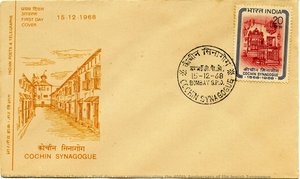
The artistry found within the Indian Postal Service extends far beyond the standard postage stamp, reaching into the realm of exquisite first-day covers and commemorative philatelic art. These pieces often serve as profound tributes to India’s enduring cultural legacies. For instance, a notable 1968 first day cover commemorating the 400th anniversary of the rebuilding of the iconic Kochi synagogue illustrates how postal artifacts can become windows into the soul of specific communities. Through sepia-toned palettes and intricate compositions, such works evoke a sense of nostalgia, transporting the viewer to eras where trade, faith, and tradition moved in perfect unison.
The visual narrative presented in these postal artworks often utilizes movement and continuity to tell a story. One might find bustling street scenes unfolding within a single cover, where the rhythmic passage of a train or the steady flow of pedestrians creates a tapestry of daily life. The use of specific techniques, such as sepia tones, acts as a stylistic bridge between the present and the past, casting a warm, antique glow that suggests the fading edges of an old photograph. This choice of technique imbues the scenes with a quiet dignity, inviting collectors to contemplate the layers of history embedded within the Indian landscape.
The Global Context of Postal Artistry
While deeply rooted in Indian identity, the artistry of the Indian Postal Service exists within a broader global conversation regarding communication and cultural exchange. The Smithsonian’s National Postal Museum in Washington D.C., established in 1974, stands as a beacon of this shared history. Its extensive collection showcases stamps from across the globe—including India—spanning centuries, illustrating how communication has shaped artistic trends and facilitated the movement of ideas. Exhibits delving into printing techniques like lithography and engraving highlight the technical innovations that contributed to the beauty and accuracy of these miniature masterpieces.
The enduring relevance of this medium is further seen in contemporary initiatives where postal art projects are used to explore local history and culture through creative visual mediums. These endeavors underscore the role of stamps as instruments for storytelling and fostering an appreciation for artistic heritage—a legacy that extends far beyond their practical function. The Indian Postal Service remains a vital participant in this global tradition, ensuring that the pulse of the nation's history continues to be felt through every letter, stamp, and commemorative piece issued.