The Architect of Saudade
In the misty, verdant landscapes of Amarante, where the Tâmega river whispers ancient secrets to the shore, a voice emerged that would forever redefine the emotional landscape of Portugal. Born Joaquim Pereira Teixeira de Vasconcelos in 1877, the man who would become known to history as
Teixeira de Pascoaes did not merely write poetry; he breathed life into the very concept of
saudade. This uniquely Portuguese ache—a complex tapestry of nostalgia, bittersweet longing, and a profound connection to what has been lost—became the heartbeat of his literary existence. Although his early academic path led him to the study of law at Coimbra University, the rigid structures of jurisprudence could not contain a spirit so deeply attuned to the ethereal. He chose instead to surrender to the lyrical, trading the logic of statutes for the evocative power of the metaphor, setting the stage for a career that would bridge the gap between the material world and the spiritual infinite.
A Tapestry of Symbolism and Nature
The evolution of Pasco
taes' work is a journey through the shifting light of the late 19th and early 20th centuries, moving through the shadows of
Romanticism into the hazy, atmospheric realms of
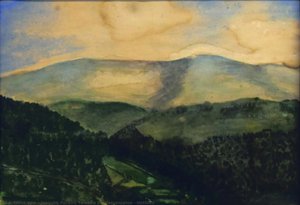
Symbolism. His writing was never a solitary endeavor; it was a dialogue with the natural world. The rugged beauty of the Marão mountains and the rhythmic flow of the local rivers served as his primary muses, providing a physical anchor for his metaphysical explorations. As he matured, his poetry became increasingly characterized by a musicality that sought to capture the intangible essence of existence. His literary milestones reflect this deepening complexity:
- Embryões (1895): A debut that signaled the arrival of a raw, lyrical talent.
- Bello and Sempre: Works that solidified his mastery of the symbolic form.
- Terra Proibida: A profound exploration of the boundaries between reality and dream.
Through these volumes, he employed a technique reminiscent of
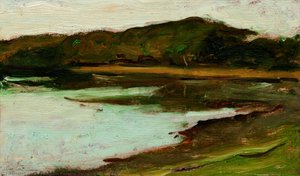
Impressionism, using subtle imagery to evoke emotional states rather than merely describing scenes. He transformed the landscape into a mirror of the soul, where every leaf and stream reflected the internal solitude and spiritual yearning of the human condition.
The Eternal Echo of a Poet-Philosopher
To understand Teixeira de Pascoaes is to understand the
Renascença Portuguesa, a movement in which he stood as a monumental figure. He was often regarded as a "poet-philosopher," a creator whose verses were inseparable from his philosophical inquiries into national identity and spiritual transcendence. His legacy lies in his ability to take the local—the specific flora, fauna, and folklore of Portugal—and elevate it to the universal. By anchoring his mysticism in the soil of his homeland, he created a sense of
nationalistic spirituality that resonated far beyond the borders of the Atlantic. Even as the world moved toward the modern era, Pascoaes remained a guardian of the melancholic beauty that defines the Portuguese spirit. His death in 1952 marked the end of an era, yet his influence persists in every line of poetry that dares to find beauty in loss and strength in the quiet, enduring power of memory.