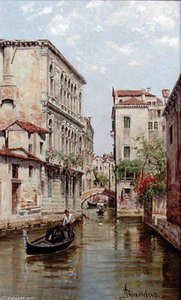
Antonietta Brandeis: A Venetian Light
Antonietta Brandeis (1848–1926), a name perhaps less familiar than those of her celebrated contemporaries, nevertheless represents a compelling story of artistic ambition and achievement in 19th-century Italy. Born Antonie Brandeisová in the Bohemian village of Miskovice in 1848, her journey was one marked by both privilege – access to education uncommon for women of her time – and pragmatic adaptation within a male-dominated art world.
Early Life and Education
- Birth: January 13, 1848, Miskovice (near Kutná Hora), Bohemia (now Czech Republic)
- Father’s Death: Prompted relocation with her mother to Prague.
- Education: Karel Javůrek at Prague – foundational training in academic painting.
Venetian Influence and Artistic Style
- Academy of Fine Arts, Venice: Enrollment in 1867; exposure to Canaletto and Guardi’s meticulous approach.
- Masters: Michelangelo Grigoletti, Domenico Bresolin, Napoleone Nani, Federico Moja – fostering Romanticism and Realism.
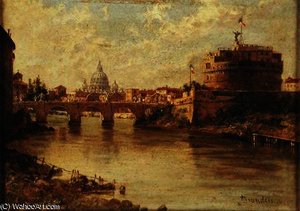
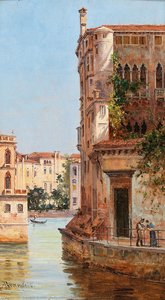
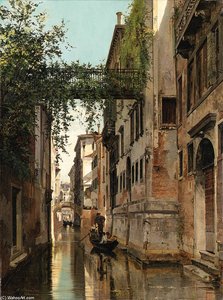
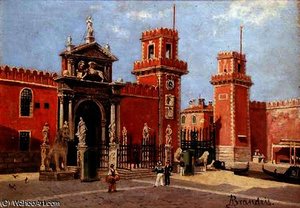
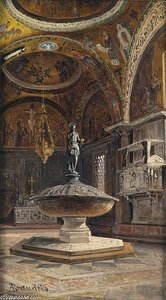
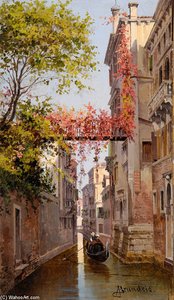
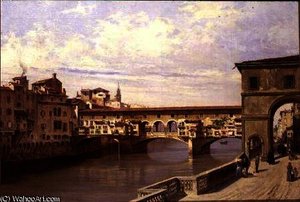
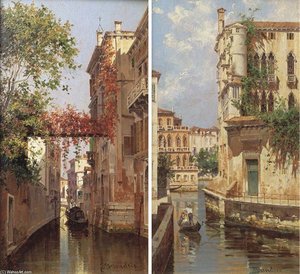
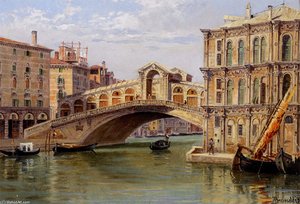
- Style: Detailed, luminous veduta paintings capturing Venetian light and atmosphere; blending realism with mood.
Notable Achievements and Recognition
- Acceptance into the Academy: A rare feat for women artists in the 1870s.
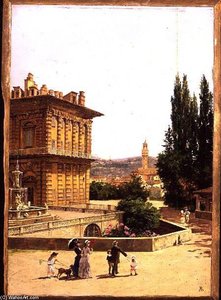
- Exhibitions: Widely exhibited across Europe – Venice, Florence, Budapest, Melbourne, Turin, Milan, Rome.
- Sale of “Palazzo, Marin Falier”: Early indication of commercial success and appeal to collectors.
Legacy and Significance
- Pioneer Role: Brandeis stands as a testament to the artistic contributions of women often overlooked by traditional art historical narratives.
- Venetian Landscape Painting: Her paintings offer valuable insights into 19th-century Venetian life and culture, capturing not just the physical beauty of the city but also its unique atmosphere and enduring allure.
Further Information: