Giuseppe Chiesa: A Sicilian Baroque Visionary
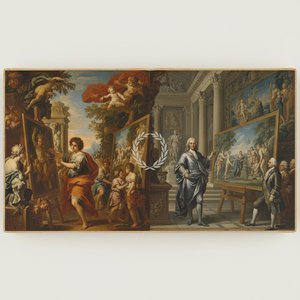
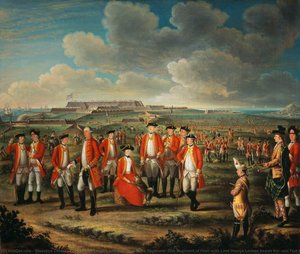
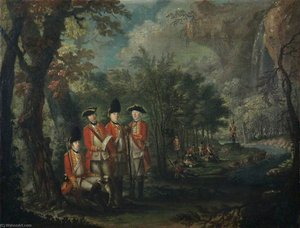
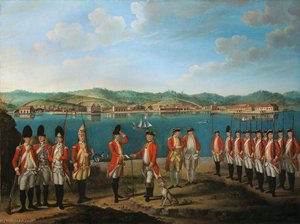
Giuseppe Chiesa (1728–1789) stands as a pivotal figure in Sicilian Baroque painting, embodying the grandeur and spiritual fervor of his era. Born in Livorno, Italy, Chiesa’s artistic journey commenced amidst the burgeoning neoclassical movement but swiftly gravitated towards the expressive dynamism characteristic of Baroque aesthetics—a decision profoundly shaped by his formative years spent absorbing the stylistic innovations of Gian Lorenzo Bernini and the broader artistic currents circulating throughout Rome. His arrival on Minorca in 1728 marked a decisive turning point, establishing him not merely as an artist but as a cultural catalyst. Alongside his wife Joana-aina Bagur Manent—daughter of Rafael I Margalida—he founded an academy dedicated to fostering artistic talent and disseminating knowledge within the island’s burgeoning intellectual landscape. This commitment extended beyond pedagogical pursuits; Chiesa actively engaged in civic life, championing initiatives aimed at elevating Minorca's cultural standing. Chiesa’s oeuvre is distinguished by its masterful depiction of religious subjects—particularly the Martyrdom of Saint Cecilia—a work celebrated for its dramatic composition and luminous coloration. His canvases pulsate with emotion, conveying profound spiritual contemplation through meticulously rendered figures and evocative architectural settings. The artist skillfully employed techniques honed during his Roman apprenticeship, integrating chiaroscuro—the interplay of light and shadow—to heighten visual impact and imbue his paintings with an aura of solemn grandeur. Furthermore, Chiesa’s artistic vision resonated deeply with the prevailing intellectual climate of his time, reflecting the influence of Enlightenment ideals while simultaneously upholding traditions rooted in Sicilian folklore and religious piety. His landscapes—particularly those capturing the rugged beauty of Minorca—demonstrate a keen sensitivity to natural forms and textures, mirroring the Baroque penchant for portraying nature as both sublime and didactic. The legacy of Giuseppe Chiesa transcends mere artistic achievement; he represents an emblem of Sicilian cultural identity—a testament to the enduring power of art to illuminate history and inspire contemplation. His work continues to captivate audiences worldwide, securing his place among the foremost practitioners of Baroque painting and cementing his reputation as a visionary artist who eloquently captured the spirit of his age.- Chiesa’s artistic style was heavily influenced by Bernini’s sculptural prowess.
- He established an academy in Minorca to cultivate artistic talent.
- His paintings frequently explored themes of faith and martyrdom.