Cecilio Pla y Gallardo: A Painter of Rural Spain
Cecilio Pla y Gallardo (1860 – 1934) emerged from Valencia, Spain, as a pivotal figure in the Costumbrismo movement—a genre dedicated to portraying authentic depictions of everyday life and landscapes of Spanish rural society. Though largely unrecognized during his lifetime, Pla’s legacy persists through his influential role at San Fernando Academy and his enduring contribution to Spanish artistic heritage. His canvases transcend mere visual representation; they resonate with emotion, capturing the essence of a bygone era—a testament to his profound understanding of the human condition.
Early Life & Education
Born in Valencia, Pla’s formative years were profoundly shaped by Marià Fortuny’s considerable influence—a celebrated Valencian painter who championed Impressionistic techniques and bravely explored themes of Spanish identity. Fortuny's artistic vision served as a catalyst for Pla’s own stylistic evolution, fostering an appreciation for capturing fleeting moments and conveying subtle nuances within his subjects. This formative exposure instilled in Pla a dedication to realism tempered by the expressive possibilities inherent in Impressionism—a combination that would define his artistic approach throughout his career.
Style & Technique: Embracing Costumbrismo
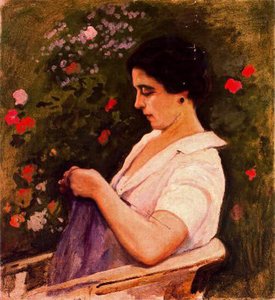
Pla’s artistic style was firmly rooted in Costumbrismo, prioritizing meticulous observation combined with delicate impressionistic brushwork. He eschewed grand narratives and theatrical gestures, instead focusing on capturing the atmosphere and subtle details of rural landscapes—particularly those inhabited by women engaged in commonplace domestic activities. Pla's palette favored muted tones—creating a harmonious blend that mirrored the tranquility of his subjects’ surroundings. His painstaking attention to detail conveyed an unparalleled sensitivity to texture and light—a hallmark of Costumbrismo’s distinctive aesthetic. He skillfully employed brushstrokes that subtly hinted at movement, mirroring the rhythms of rural life itself.
Notable Works & Artistic Achievements
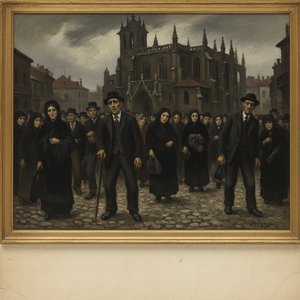
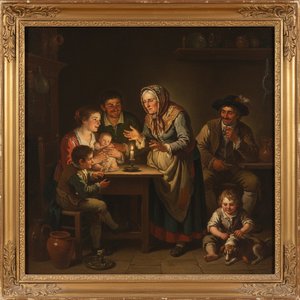
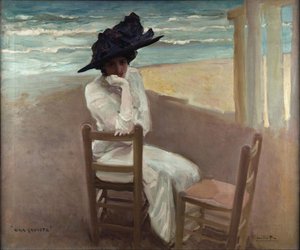
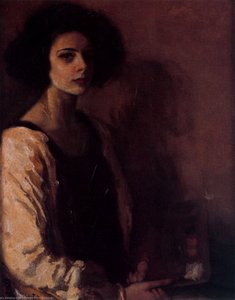
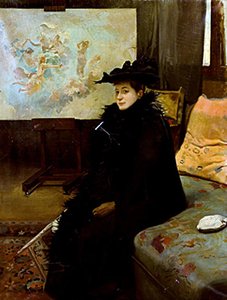
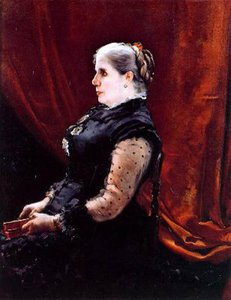
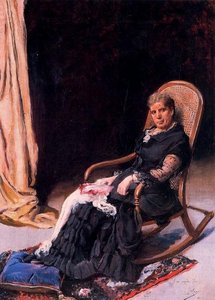
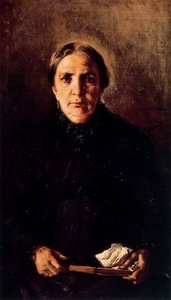
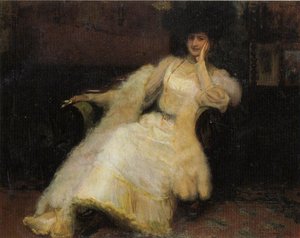
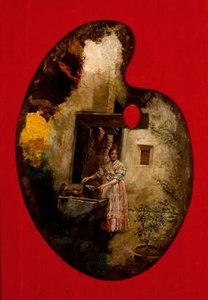
Pla’s prolific oeuvre comprises numerous paintings that exemplify Costumbrismo's core tenets. “Retrato de Mujer,” depicting a serene woman amidst a tranquil rural setting, exemplifies Pla’s ability to convey emotion through visual elements—a masterful demonstration of Impressionistic technique. Similarly, "Pintura en paleta" presents an artist’s palette as the backdrop for a domestic scene—a deliberate artistic choice reflecting Pla’s unwavering fascination with capturing the very soul of Spanish life and artistic practice. The composition subtly emphasizes the artist's connection to his craft and surroundings. “Escondidas,” showcasing four women in a quiet interior space, showcases Pla’s masterful command of tonal harmony and textural brushstrokes—creating an immersive experience for the viewer. These paintings stand as enduring symbols of Costumbrismo’s commitment to portraying reality with honesty and compassion.
Legacy & Influence at San Fernando Academy
Pla's dedication extended beyond his own artistic creations; he served as a respected educator at San Fernando Academy, nurturing generations of aspiring artists who embraced Impressionistic ideals. His teaching methods prioritized observation and experimentation—encouraging students to develop their own unique voices while grounding them in the foundational principles of Costumbrismo. Pla’s influence permeated the academy's curriculum—solidifying his reputation as a champion of artistic innovation and fostering a tradition of portraying Spanish rural life with sensitivity and nuance. He instilled in his pupils not only technical skills but also a profound appreciation for capturing the spirit of their time.
Historical Significance: A Window into Late 19th Century Spain
Pla y Gallardo’s paintings constitute invaluable records of a pivotal period in Spanish history—the waning years of the nineteenth century. They offer compelling insights into social customs, domestic life, and artistic sensibilities prevalent during that era—reflecting a cultural landscape grappling with modernization while cherishing traditions rooted in rural Spain. Pla's work contributes significantly to understanding the broader context of Impressionism’s dissemination across Europe and its adaptation within the Iberian Peninsula—a testament to his enduring artistic vision and his role as a chronicler of Spanish culture.