Mariano Benlliure y Gil: A Titan of Spanish Sculpture
Mariano Benlliure y Gil (1862-1947) stands as one of the most revered figures in 20th-century Spanish art, a sculptor whose monumental works and meticulous portraits continue to inspire awe and admiration. Born in Valencia, Spain, his artistic journey began with an innate fascination for capturing the essence of human form and emotion—a passion nurtured by familial tradition and solidified by encounters with masters like Francisco Domingo Marqués. From humble beginnings, Benlliure ascended to international acclaim, leaving behind a legacy that transcends mere craftsmanship; it embodies the spirit of heroic realism and reflects the profound cultural currents shaping Spain’s identity during its tumultuous era.
### Early Influences and Artistic Formation
The formative years of Mariano Benlliure’s artistic life were marked by an early exposure to sculpture—a discipline instilled in him by his brother, José Benlliure y Gil, a fellow artist who fostered a creative environment brimming with intellectual curiosity. However, it was the profound impact of Michelangelo’s sculptures in Rome that irrevocably altered Benlliure's trajectory. Witnessing firsthand the grandeur and expressive power of these masterpieces ignited within him an unwavering devotion to monumental sculpture, propelling him toward a singular artistic vision. This pilgrimage to antiquity served as a catalyst for stylistic evolution, shaping his approach to portraying human subjects with unparalleled sensitivity and technical prowess.
### The Style of Heroic Realism: Capturing Emotion Through Form
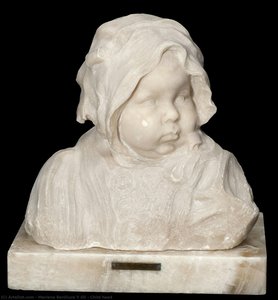
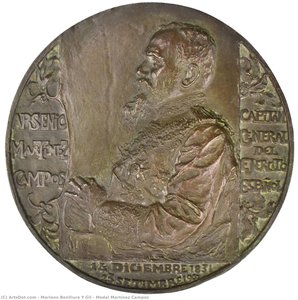
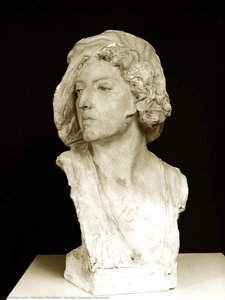
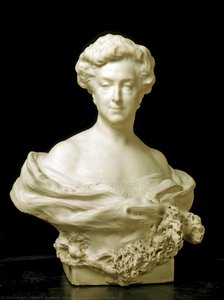
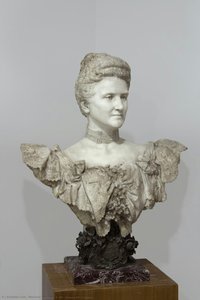
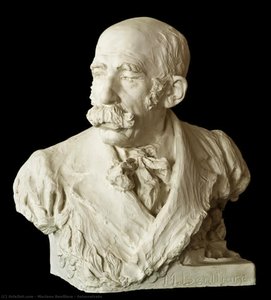
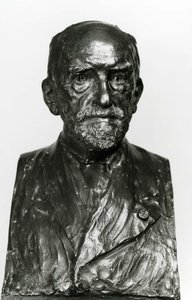
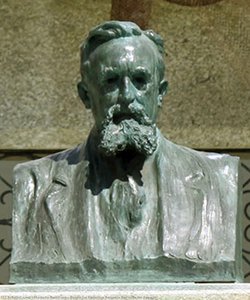
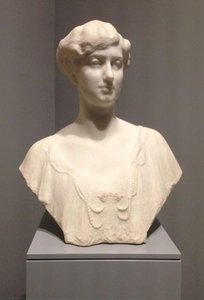
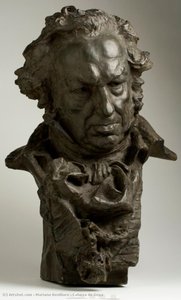
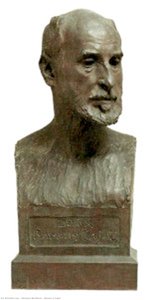
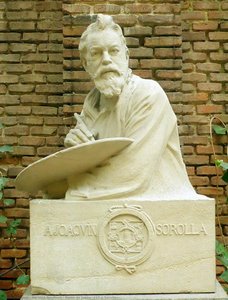
Benlliure’s distinctive artistic style—heroic realism—became synonymous with his oeuvre. Unlike prevailing trends of the time, he eschewed idealized representations in favor of unflinching depictions of human anatomy and emotion, striving to convey psychological depth alongside physical accuracy. This commitment to naturalism was tempered by an Impressionistic impulse, subtly infusing his sculptures with a sense of spontaneity and vibrancy—a stylistic duality that distinguishes him from many contemporaries. His technique involved painstaking observation and meticulous modeling, transforming raw materials into evocative expressions of human experience. The sculptor’s mastery extended across diverse mediums, including bronze, marble, and plasterwork, demonstrating an extraordinary versatility honed through years of dedicated practice.
### Major Monuments and Artistic Achievements
Mariano Benlliure's artistic legacy is indelibly etched in the annals of Spanish art history thanks to his monumental sculptures—testaments to his unwavering dedication to capturing grandeur and conveying profound emotion. Among his most celebrated achievements are:
- The Tomb of Práxedes Mateo Sagasta: Located within Madrid’s Pantheon of Illustrious Men, this imposing monument embodies the solemn dignity of Spain's republican past.
- Monument to José de San Martín: Standing proudly in Lima, Peru, it commemorates the Argentine liberator and symbolizes the enduring spirit of independence movements.
- Monument to Álvaro de Bazán: Situated in Plaza de la Villa, Madrid, this statue honors a pivotal naval commander who defended Spain’s interests during its imperial heyday.
- Monument to Isabella the Catholic: Located in Granada, it celebrates Queen Isabella I—a figure central to Spanish unification and religious reform.
- The Equestrian Statue of Alfonso XII: Dominating El Retiro Park, Madrid, this magnificent sculpture captures the majesty of Spain's monarch and embodies the dynamism of equestrian art.
These sculptures stand as enduring symbols of national pride and artistic excellence—products of Benlliure’s unparalleled skill and unwavering commitment to conveying both form and emotion with breathtaking precision.
### Lasting Influence and Artistic Legacy
Mariano Benlliure y Gil's influence extends far beyond his own lifetime, inspiring subsequent generations of sculptors with his stylistic innovations and technical mastery. His dedication to heroic realism—characterized by meticulous anatomical detail and expressive dynamism—established a benchmark for sculptural representation that continues to resonate today. Furthermore, his prolific output enriched Spain’s artistic landscape, contributing significantly to the preservation of cultural heritage and fostering an appreciation for timeless beauty. Benlliure's sculptures remain powerful reminders of a bygone era—yet their enduring artistic qualities ensure they will continue to captivate audiences worldwide for centuries to come.