

A Sacred Encounter with the Medieval Soul
Nestled within the heart of Tuscany, the Church of San Francesco in Pescia serves as a profound sanctuary where the boundaries between the earthly and the divine seem to dissolve. To step through its doors is to embark on a journey through the very genesis of Florentine Gothic art. The church is not merely a monument of stone and mortar but a living chronicle of spiritual devotion, rooted in the legend that St. Francis of Assisi himself graced this community with his presence in 1211. This deep-seated connection to the Franciscan movement imbues the atmosphere with a palpable sense of reverence, inviting art lovers and historians alike to contemplate the transformative power of faith as expressed through the medium of medieval mastery.
The architectural silhouette of San Francesco is a breathtaking dialogue between two eras, embodying a harmonious blend of Romanesque solidity and Gothic grace. The sturdy stone walls and the rhythmic presence of the arched nave evoke the resilient craftsmanship of the late 13th century, while the soaring windows and intricate ribbed vaults introduce an ethereal, upward movement characteristic of the Gothic style. This structural juxtaposition creates a space that feels both grounded in the earth and reaching toward the heavens, providing a dramatic stage for the treasures housed within its single-nave interior.
The Radiance of the Berlinghieri Legacy
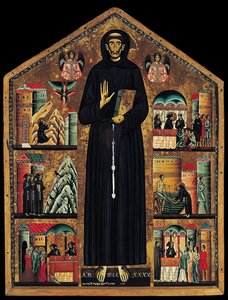
At the heart of this sacred collection lies an unparalleled masterpiece that has catapulted Pescia onto the global artistic map: the Berlinghieri Altarpiece. Created in 1235 by Maestro Bonaventura Berlinghieri, this monumental work stands as one of the most significant early depictions of St. Francis. The altarpiece is a triumph of Proto-Renaissance technique, where the meticulous rendering of drapery and the solemn, iconic poses capture the profound piety of the Franciscan Order. For collectors and scholars, this panel represents a rare window into a pivotal moment in art history, marking the transition from the rigid formality of Romanesque iconography to a more nuanced, emotive visual language.
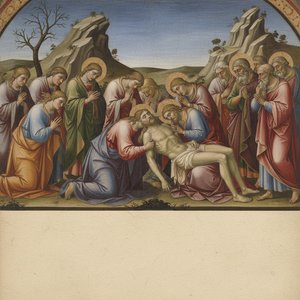
Beyond this singular jewel, the church’s walls act as a canvas for a rich tapestry of narrative frescoes. These murals, spanning several centuries, guide the viewer through biblical scenes with remarkable clarity and emotional resonance. The evolution of style is visible in every brushstroke, moving from the solemnity of early medieval traditions to the burgeoning humanist sensibilities that would later define the Renaissance. Interspersed among these paintings are various chapels, such as the Misericordia chapel, which houses a 15th-century wooden sculptural group tied to local folklore, adding layers of mystery and supernatural intrigue to the artistic experience.
A Timeless Destination for the Discerning Eye
What distinguishes San Francesco is its remarkable preservation of early Franciscan iconography and its ability to function as an immersive encounter with history. The church has long been a focal point for prestigious exhibitions, drawing scholars from across Europe to study its unique blend of Romanesque and Gothic elements. For the interior designer or the lover of classical aesthetics, the church offers endless inspiration through its interplay of light, shadow, and sacred geometry. It remains a cornerstone of Tuscan cultural identity, offering a quiet, contemplative space where the brilliance of the past continues to illuminate the present.