

A Living Legacy of Latvian Modernism
In the heart of Riga, tucked away within the elegant architectural fabric of Elizabetes iela, lies a sanctuary where the boundaries between life and art dissolve. The Museum of Romans Suta and Aleksandra Beļcova is far more than a mere repository for historical artifacts; it is an intimate portal into the very soul of Latvian modernism. Housed in the former residence of the legendary artistic duo, the museum offers a rare, domestic encounter with the avant-garde. As visitors step through its doors, they are not merely observing history but are invited to inhabit the same atmosphere that once fueled the creative dialogues of two of Latvia's most influential visionaries. The space itself, preserved with profound reverence, serves as a silent witness to a period of intense cultural forging and personal devotion.
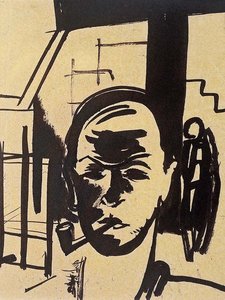
The collection is a breathtaking tapestry of diverse media, illustrating the boundless versatility of its protagonists. Romans Suta, a master of energy and form, presents works that pulse with the rhythmic vitality of the early 20th century. His paintings, deeply influenced by Cubism and Constructivism, capture the dynamic movement of life—from the spirited motion in his dancers to the quiet, structured beauty of his still lifes. Suta’s genius extended beyond the canvas into the very fabric of daily existence, manifesting in innovative stage designs and furniture that sought to redefine the Latvian aesthetic through a modern lens. Complementing this structural vigor is the delicate, ornamental mastery of Aleksandra Beļcova. Her contributions to ceramics and textiles transform functional objects into miniature canvases of storytelling. Each porcelain piece and intricate pattern reflects her engagement with European avant-garde movements, blending geometric precision with an exquisite, decorative grace that continues to captivate the modern eye.
What truly distinguishes this museum is its profound emotional resonance and historical authenticity. The museum’s existence is a testament to the enduring love of their daughter, Tatjana Suta, whose tireless dedication ensured that her parents' creative flame would never be extinguished by the shadows of the Soviet era. This personal lineage imbues the museum with a sense of sanctity; it is a memorial built from memory and meticulous preservation. For the art lover, it offers a deep dive into the socio-political landscape of interwar Latvia, where national identity was being reimagined through bold colors and new shapes. For the interior designer or collector, the museum serves as an unparalleled source of inspiration, showcasing how fine art can seamlessly integrate with design, ceramics, and the domestic environment to create a cohesive, sophisticated lifestyle.
To wander through these halls is to experience a curated journey through time and technique. The museum stands as a unique cultural landmark where the echoes of the past meet the aesthetic sensibilities of the present. Whether one is drawn by the striking boldness of Suta’s graphic works or the subtle, intricate narratives found in Beļcova’s ceramics, the museum promises an immersive encounter with a legacy that remains as vibrant and relevant today as it was during the height of the Latvian modernist movement.