

A Sanctuary of Faith and Art: The Parish Church of Rottenburg am Inn
Nestled within the historic Carmelite monastery in Rottenburg am Inn, Germany, the Parish Church stands as a remarkable testament to centuries of religious devotion, artistic evolution, and a surprisingly forward-thinking vision. More than just a place of worship, it’s a layered narrative—a journey through medieval craftsmanship, Baroque splendor, and contemporary dialogue. The church's very walls whisper tales of monastic life, the influence of Bishop Keppler, and a deliberate effort to bridge tradition with the vibrancy of modern artistic expression. Its unique setting, within a building that has witnessed transformations from a Carmelite retreat to a dedicated museum, immediately captivates visitors, offering an immersive experience unlike any other.
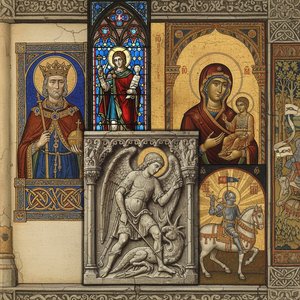
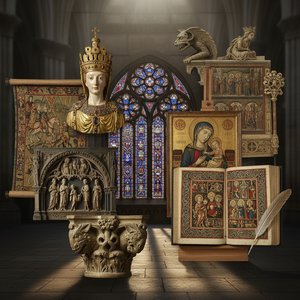
The heart of the collection lies in its extensive array of sacred art spanning numerous periods and styles. From the robust Romanesque foundations to the intricate details of the High Renaissance altarpieces, the church showcases a remarkable progression of artistic techniques and theological interpretations. Central to this journey is the magnificent Holy Blood Altarpiece by Tilman Riemenschneider, a masterpiece of late Gothic sculpture that dominates the east choir. Its dramatic narrative scenes—the entry into Jerusalem, the Last Supper, and the Mount of Olives—are rendered with astonishing realism and emotional intensity, drawing viewers into the heart of Christian faith. Beyond this centerpiece, visitors will discover a wealth of illuminated manuscripts, reliquaries, stained glass windows depicting biblical stories, and devotional sculptures, each offering a window into the spiritual beliefs and artistic sensibilities of its time.
A Building Steeped in History
The Parish Church’s architectural story is as compelling as its art. Originally established as a Carmelite monastery in the 13th century, the building itself reflects centuries of adaptation and evolution. The transition from monastic life to a museum was masterfully orchestrated by Bishop Keppler, who recognized the potential for the church's rich history and artistic treasures to inspire and educate. The structure’s design incorporates elements of Romanesque and Gothic styles, showcasing the evolving architectural trends of the Middle Ages. Notably, the west tower, reaching an impressive height of 57.7 meters, served as a landmark and a beacon for pilgrims traveling along the ancient route to Santiago de Compostela – a connection that is subtly referenced in the church’s collection through devotional objects and imagery.
Connections & Contemporary Dialogue
The Parish Church isn't simply a repository of historical artifacts; it actively fosters connections between past and present. The museum’s curators have deliberately curated exhibitions that juxtapose medieval masterpieces with contemporary art, prompting visitors to consider the enduring relevance of religious themes in modern society. Understanding its relationship to local churches like Sülchenkirche—a significant pilgrimage site in its own right—deepens the visitor's appreciation for the church’s role within the broader community and regional heritage. This commitment to dialogue ensures that the Parish Church remains a dynamic space, inviting reflection on faith, art, and the human experience.
Notable Aspects & Unique Features
Several elements contribute to the unique character of the Parish Church. The Bishop Keppler’s vision is paramount—his belief in fostering a conversation between tradition and modernity has shaped the museum's direction and programming. The church’s location within the former monastery provides an atmospheric backdrop, imbued with centuries of history and spiritual significance. Furthermore, the presence of the St. James Church in Rothenburg ob der Tauber, linked by its pilgrimage route to Santiago de Compostela, adds another layer of historical context. The museum's collection includes a remarkable array of liturgical objects, vestments, and musical instruments, offering insights into the daily life and rituals of the monastic community.
Visitor Information & Beyond
The Parish Church in Rottenburg am Inn offers a truly enriching experience for art enthusiasts, history buffs, and anyone seeking to connect with Germany’s rich religious heritage. It's more than just a museum; it’s a living testament to the enduring power of faith and artistic expression. We invite you to explore its captivating collection, immerse yourself in its atmospheric setting, and discover the stories woven into its ancient stones.