

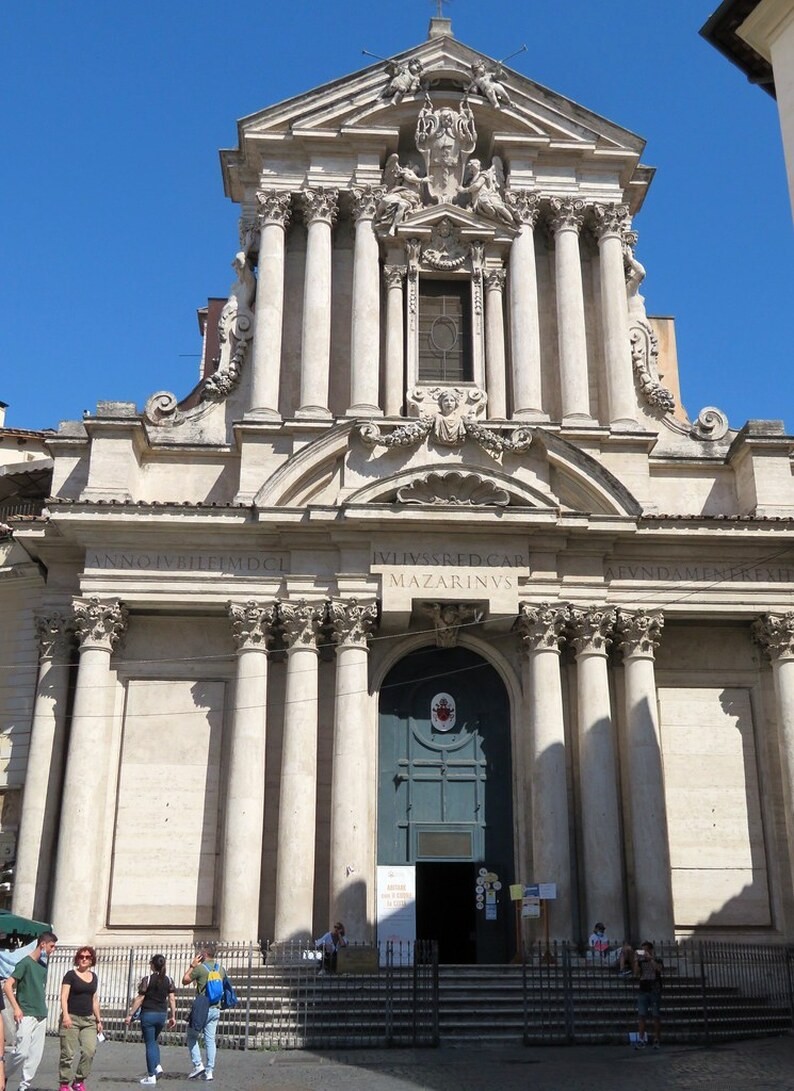
A Sanctuary of Lombardy: Exploring Santi Alessandro e Vincenzo
Nestled in the heart of Ponte San Pietro, a town steeped in the rich traditions of Lombardy, lies the Chiesa di Santi Alessandro e Vincenzo – a place where faith and artistry converge over centuries. More than just a church, it’s a tangible chronicle of regional history, architectural evolution, and the enduring power of devotional art. This unassuming yet profoundly moving space offers visitors a rare opportunity to step back in time and connect with the spiritual and cultural landscape of northern Italy. The church's quiet presence, far removed from the frenetic pace of major tourist destinations, provides an authentic experience—a chance for contemplation amidst beauty and historical resonance.The Chiesa’s story begins long before its current form, rooted in the local religious practices of Ponte San Pietro. Initially known as Parrocchia dei Santi Pietro e Alessandro, it evolved through numerous phases of construction and renovation, reflecting the changing styles and needs of the community over time. The church's foundations are believed to date back to the 13th century, with significant expansions and alterations occurring throughout the subsequent centuries. Notably, the current façade, a striking example of late Renaissance design, was completed in 1646 by the renowned architect Vincenzo della Greca, building upon earlier designs and incorporating elements that speak to both the grandeur of Venice and the regional artistic sensibilities of Lombardy.
The church’s collection is primarily focused on religious art, a testament to its role as a central place of worship. While detailed inventories are scarce, one can anticipate pieces reflecting the veneration of Saints Alexander and Vincent – figures deeply intertwined with the local faith. A key highlight is undoubtedly the *Ponteranica Altarpiece*, a masterpiece from the same region that showcases the vibrant colors and dramatic narratives characteristic of Lombardy’s devotional art. This altarpiece, though not physically within the church itself, provides invaluable context for understanding the artistic traditions that shaped its interior decoration. Furthermore, examining the architectural details—the soaring arches, the intricate stonework, and the carefully positioned windows—reveals a masterful blend of Romanesque and Renaissance influences, reflecting the layered history of the building.
Architectural Echoes: A Symphony of Styles
The Chiesa’s architecture is not simply functional; it's a deliberate expression of faith and regional identity. While precise dating for specific elements remains elusive, the overall design clearly draws upon the established traditions of Lombardy ecclesiastical buildings. Expect to find robust stone construction, featuring rounded arches and barrel vaults—elements common in Romanesque churches – combined with more refined Renaissance details such as pilasters, cornices, and elaborate window frames. The façade itself is a particularly compelling example of this stylistic fusion, demonstrating a sophisticated understanding of proportion and ornamentation. The double staircase leading to the entrance, designed by Orazio Torriani in 1654, adds an element of theatrical grandeur, inviting visitors into the sacred space with a sense of anticipation.
Adding to the architectural richness is the presence of works by notable artists like Giovanni Bellini and Pietro Lombardo. The church’s interior showcases a remarkable collection of paintings, including Bernini's designs for the high altar and chapel, as well as masterpieces by other renowned Italian masters. These artworks not only enhance the spiritual atmosphere but also provide valuable insights into the artistic trends of their respective periods.
A Legacy Forged in Faith and Community
The Chiesa di Santi Alessandro e Vincenzo is more than just a beautiful building; it’s a living testament to the enduring faith and community spirit of Ponte San Pietro. For centuries, it has served as a central place of worship, witnessing countless baptisms, weddings, and funerals—events that have shaped the lives of generations of local residents. The church's history is inextricably linked to the broader narrative of Bergamo province, reflecting its religious, cultural, and political developments over time.
Furthermore, the Chiesa’s role as a university church for the Pontifical University of St. Thomas Aquinas (Angelicum) since 1927 adds another layer to its significance. The annual inauguration ceremony, held within its walls, marks the beginning of each academic year—a symbolic reaffirmation of the institution's commitment to faith and learning. The church’s continued use for religious services and events underscores its enduring importance as a focal point for community life.
A Quiet Retreat: Discovering Authentic Italy
Visiting Santi Alessandro e Vincenzo offers a unique opportunity to experience authentic Italy—a world away from the crowded tourist hotspots. The church's tranquil setting, combined with its rich history and artistic treasures, creates an atmosphere of serenity and contemplation. It’s a place where visitors can connect with the spiritual roots of the region, appreciate the beauty of Lombardy’s architectural heritage, and gain a deeper understanding of local traditions. A visit here is not merely sightseeing; it's an immersion into a living cultural landscape—a testament to the enduring power of faith, art, and community.