

A Legacy Encased in Resin: The Soul of Wajima
Nestled along the rugged, mist-kissed coastline of the Noto Peninsula, where the Sea of Japan meets the ancient shores of Ishikawa Prefecture, lies a sanctuary of profound stillness and shimmering light. The Wajima Museum of Urushi Art is not merely a repository for precious objects; it is a living testament to a tradition that breathes through the very sap of the earth. Established in 1991 as Japan’s first institution dedicated exclusively to the art of lacquer, the museum serves as a beacon for those who seek beauty in the meticulous and the enduring. To enter its halls is to step into a world where time slows, and the subtle, sweet fragrance of urushi—the remarkable natural resin—seems to linger in the air, inviting a deep contemplation of craftsmanship.
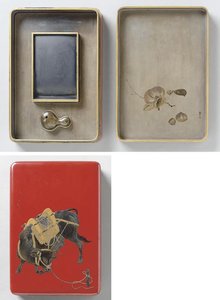
The museum’s collection is a breathtaking tapestry of human skill, spanning centuries of artistic evolution. With over 1,400 pieces, the galleries guide visitors through a narrative that begins with the ceremonial grandeur of the Edo period and flows into the daring innovations of the modern era. Here, one might encounter lacquerware adorned with folklore-inspired motifs—spiraling dragons, ethereal spirits, and protective demons—that once served as talismans for weddings and religious rituals. The collection is particularly distinguished by its inclusion of works by Living National Treasures, ensuring that the highest pinnacle of Japanese dexterity is preserved for generations to come. Beyond the local Wajima-nuri style, the museum offers a global perspective, showcasing exquisite lacquer treasures from across East and Southeast Asia, creating a dialogue between regional identity and international artistry.
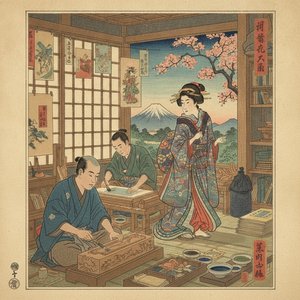
What truly distinguishes the Wajima experience is the opportunity to witness the alchemy of technique. The museum illuminates the rigorous process behind Wajima-nuri, a style celebrated for its unparalleled durability. This strength is achieved through a unique marriage of urushi and jinoko, a finely powdered local diatomaceous earth that provides a robust foundation for the artist's vision. As visitors move through the galleries, they can observe how layers of pigment and precious ornamentation are applied to create surfaces that are both tactile and visually hypnotic. This dedication to the "serious nature" of the craft is complemented by contemporary exhibitions that reimagine these ancient methods, proving that lacquer is not a relic of the past, but a vibrant, evolving medium capable of expressing the complexities of the 21st century.
The architecture of the museum itself acts as a silent partner to the art it houses. Inspired by the serene aesthetics of classic Japanese design, the building prioritizes natural materials, predominantly warm wood, which fosters an atmosphere of organic harmony. Large, strategically placed windows allow soft, natural light to flood the galleries, enhancing the deep luster of the polished lacquer and revealing the intricate textures of the jinoko base. This spatial fluidity encourages a wandering, meditative pace, allowing collectors and designers alike to appreciate the scale and grandeur of each piece. In this marriage of light, wood, and resin, the Wajima Museum of Urushi Art stands as an essential pilgrimage site for anyone captivated by the intersection of nature, history, and human brilliance.