Discover Niki de Saint Phalle's vibrant world! Explore her iconic 'Nana' sculptures, revolutionary shooting paintings, and the fantastical Tarot Garden – a celebration of feminist art & joyful expression.
Karavagio (1571-1610), barokni majstor realizma i tenebrizma! Otkrijte dramatične religijske scene, intenzan kljaroskuro i revolucionarni stil koji je inspirisao Rubensa i Rembrandta.
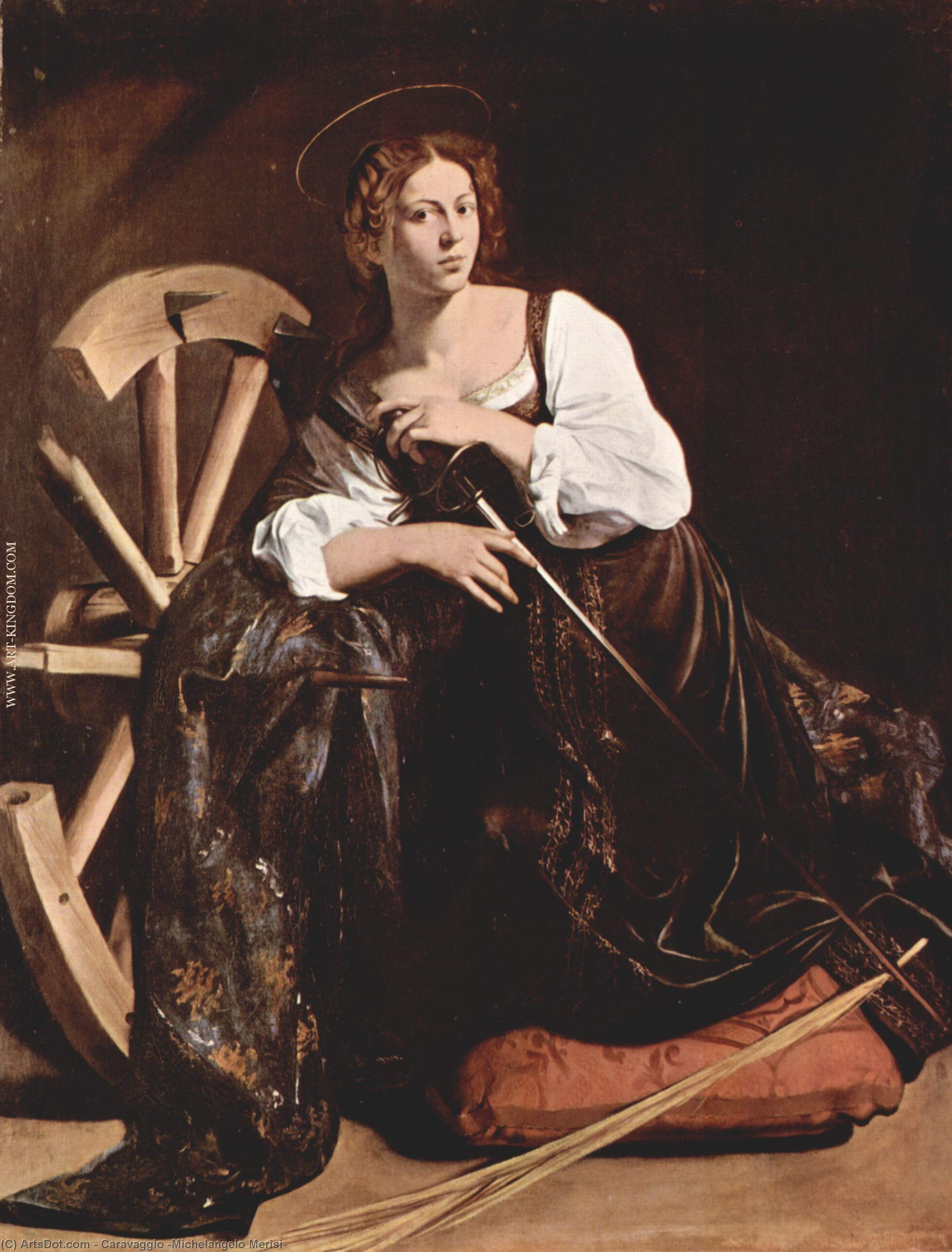
Saint Catherine of Alexandria
Saint Catherine of Alexandria stands as a cornerstone of Baroque art—a testament to Michelangelo Merisi da Caravaggio’s unparalleled ability to fuse religious fervor with visceral realism. Painted in 1598, this masterpiece resides within the Thyssen-Bornemisza Museum in Madrid, captivating viewers with its dramatic interplay of light and shadow and offering profound insights into the artistic currents of its time.
The Painting's Composition: A Study in Contrasts
Caravaggio’s genius lies not merely in depicting Saint Catherine but in orchestrating a scene brimming with symbolic significance. The saint herself is portrayed as an idealized woman, radiating serenity despite her impending martyrdom—a figure draped in sumptuous robes and seated upon a chair adorned with two colossal wooden wheels at its base. These wheels represent the wheel of fortune, symbolizing the unpredictable nature of life and highlighting Catherine’s unwavering faith amidst adversity. Three birds hover above her head, representing purity and divine grace – a deliberate inclusion reflecting Caravaggio's meticulous attention to detail and his desire to imbue the artwork with layers of meaning beyond the surface narrative. The chair itself serves as a visual anchor, grounding the composition while simultaneously emphasizing Catherine’s vulnerability against the overwhelming power of God.
Caravaggio's Style: Chiaroscuro Mastery
Caravaggio revolutionized painting through his masterful use of *tenebrism*, a technique that dominates this artwork. This dramatic style employs stark contrasts between light and darkness, plunging Saint Catherine into pools of radiant illumination while enveloping the surrounding space in deep shadows. Caravaggio’s meticulous observation of human anatomy combined with this theatrical lighting creates an emotionally charged atmosphere—one that compels viewers to confront mortality and contemplate spiritual transcendence. The artist's painstaking rendering of textures—the smooth fabric of Catherine’s robes, the rough grain of the wooden wheels—further enhances the realism of the scene, mirroring Caravaggio’s commitment to portraying subjects with unflinching honesty.
Historical Context: Rome During the Baroque Era
Saint Catherine’s creation occurred during the zenith of the Baroque period in Rome—a time marked by papal patronage and a fervent desire for artistic grandeur. Caravaggio's work was profoundly influenced by his formative years in Milan, where he absorbed the stylistic conventions of Venetian painting, yet he swiftly established himself as an innovator whose vision transcended prevailing trends. Like many artists of his era, Caravaggio wrestled with moral dilemmas and faced legal challenges—a tumultuous personal life that paradoxically fueled his artistic output. His depiction of Saint Catherine aligns perfectly with the Baroque preoccupation with dramatic emotion and spiritual contemplation—reflecting a broader cultural shift toward embracing passion and confronting existential questions.
Legacy: An Enduring Influence
Caravaggio’s impact on subsequent generations of artists is undeniable. Artists such as Peter Paul Rubens, Jusepe de Ribera, Gian Lorenzo Bernini, and Rembrandt were profoundly affected by his stylistic innovations—embracing *chiaroscuro* and prioritizing psychological realism. Saint Catherine exemplifies Caravaggio's ability to elevate a biblical narrative into an unforgettable visual experience—a masterpiece that continues to inspire awe and provoke contemplation centuries after its creation. Its enduring presence in the Thyssen-Bornemisza Museum ensures that this iconic artwork remains accessible to art lovers worldwide, cementing Caravaggio’s place as one of history’s most influential painters.