Rouen Cathedral at Sunset: A Symphony of Light and Faith
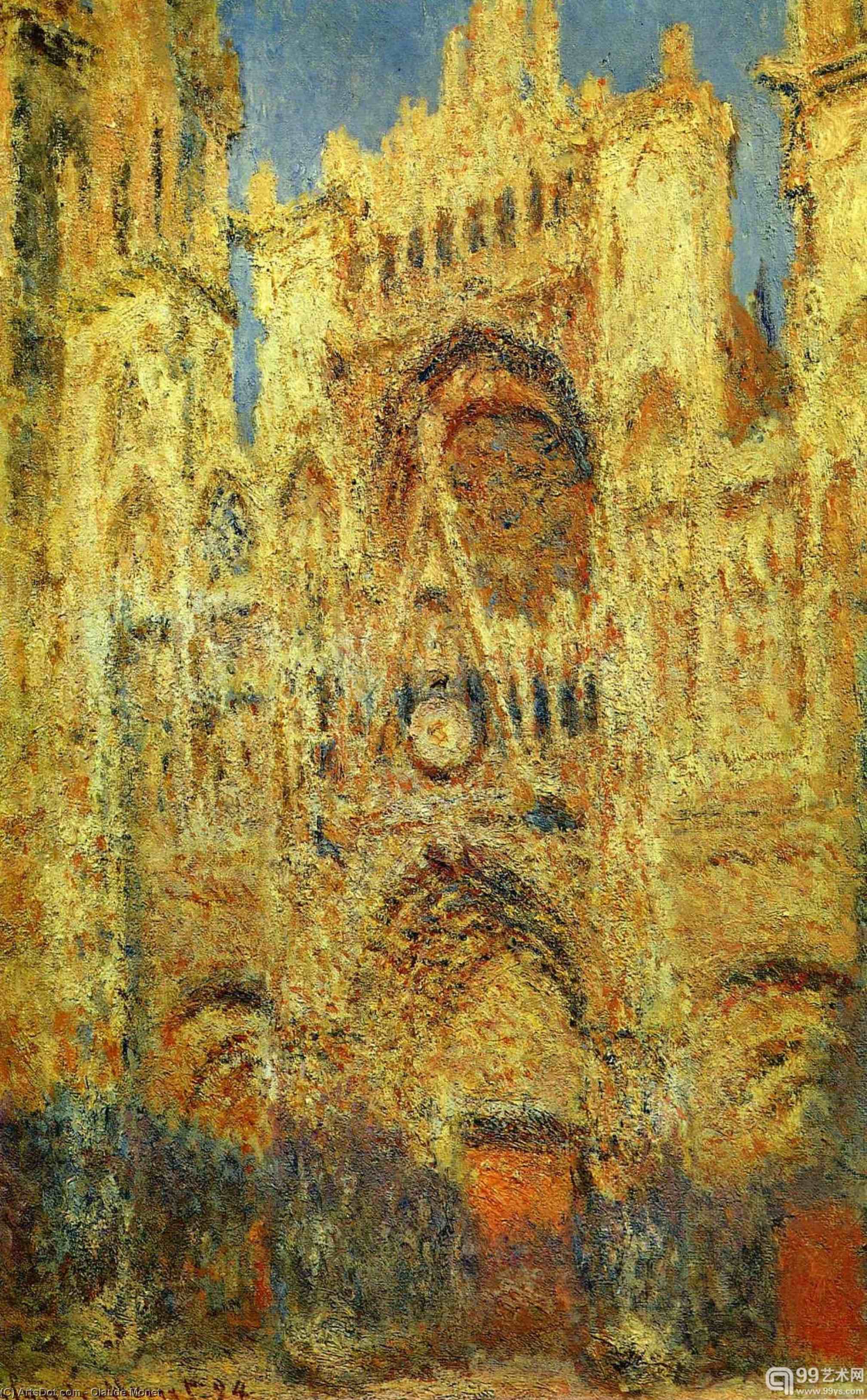
Claude Monet’s *Rouen Cathedral at Sunset* isn't merely a depiction of a building; it’s an immersion into a fleeting, ethereal moment. Painted in 1894, this iconic work stands as a cornerstone of the Impressionist movement, demonstrating Monet’s revolutionary approach to capturing not just what he saw, but *how* he perceived light and color interacting with the world around him. The painting immediately draws the eye to the imposing silhouette of Rouen Cathedral against a sky ablaze with the warm hues of twilight – a dramatic interplay of orange, rose, and violet that seems to vibrate with an almost palpable energy. Yet, it’s not simply a picturesque sunset; within this seemingly simple scene lies a profound exploration of light, time, and the enduring spirit of tradition.
The genesis of *Rouen Cathedral at Sunset* is deeply intertwined with Monet's fascination with the effects of light. He embarked on a series of over thirty paintings of the cathedral, each capturing its façade under different conditions – dawn, noon, dusk, and even rain. This wasn’t an exercise in architectural documentation; rather, it was a deliberate investigation into how light transforms our perception of form and space. Monet famously stated that he sought to paint “the sensation of being there,” and these Rouen Cathedral paintings are arguably his most successful attempts at achieving this elusive goal. The painting's composition is deliberately loose and suggestive, eschewing sharp lines and precise detail in favor of broken brushstrokes and shimmering color. This technique, characteristic of Impressionism, creates a sense of movement and vibration, as if the light itself is constantly shifting and changing.
- Impressionistic Technique: Monet’s signature technique—short, broken brushstrokes applied with rapid succession—is vividly evident here. These strokes don't blend smoothly; instead, they create a mosaic of color that reflects the way our eyes perceive light and shadow.
- Color Theory: The painting is a masterclass in color theory. Monet expertly uses complementary colors – orange and violet, blue and yellow – to heighten the sense of vibrancy and depth. Notice how he employs subtle gradations of tone to create an illusion of volume and atmosphere.
- Atmospheric Perspective: The cathedral recedes into the distance, becoming increasingly hazy and indistinct as it moves further away. This effect is achieved through a reduction in color intensity and detail, mimicking the way our eyes perceive objects at different distances.
The historical context surrounding *Rouen Cathedral at Sunset* adds another layer of significance to the work. Rouen Cathedral, a magnificent example of Gothic architecture, held immense symbolic importance for the French people. It represented not only religious faith but also national identity and artistic heritage. Monet’s repeated depictions of the cathedral during this period coincided with a renewed interest in traditional values and a desire to reconnect with France's rich cultural past. Interestingly, Monet was influenced by Symbolism, a movement that sought to express ideas and emotions through suggestive imagery rather than direct representation. The cathedral itself becomes a symbol of stability and tradition within the fleeting beauty of the sunset—a visual dialogue between permanence and transience.
Beyond its artistic merit, *Rouen Cathedral at Sunset* evokes a powerful emotional response. There’s a sense of tranquility and serenity that permeates the scene, inviting the viewer to pause and contemplate the beauty of nature and the passage of time. The warm colors of the sunset create an atmosphere of warmth and nostalgia, while the presence of figures in the foreground adds a touch of human connection—a reminder that we are part of this larger world. It’s a painting that speaks to our deepest longings for peace, beauty, and spiritual connection.
For more information on Claude Monet and his remarkable series of Rouen Cathedral paintings, please visit Rouen Cathedral at Sunset at ArtsDot.