Cristóbal Balenciaga: The Architect of Elegance
The Spanish couturier Cristóbal Balenciaga (1895–1972) stands as an undisputed titan amongst the figures who shaped 20th-century fashion. More than just a designer, he was an artist—a sculptor of fabric—whose uncompromising vision redefined elegance and established a legacy that continues to inspire creatives today. His influence transcends eras, demonstrating how meticulous craftsmanship combined with avant-garde experimentation can yield timeless masterpieces. Balenciaga’s approach wasn't merely about dressing; it was about crafting experiences, encapsulating emotion within meticulously constructed silhouettes.
- Early Life and Artistic Roots: Born in Getaria, Basque Country, Balenciaga’s formative years were steeped in the traditions of his homeland—a region renowned for its artisanal textiles and sculptural stone carvings. These influences profoundly impacted his aesthetic sensibilities, fostering a deep appreciation for form and texture that would permeate his entire oeuvre. Notably, he studied painting at San Sebastián Art Academy, where he honed his observational skills and developed an understanding of composition and color theory – elements crucial to translating artistic concepts into wearable art.
- The Avant-Garde Embrace: Balenciaga’s breakthrough came during the tumultuous years following World War I, when he embraced the burgeoning avant-garde movement—particularly Surrealism and Cubism—drawing inspiration from artists like Picasso and Matisse. This embrace manifested in bold geometric shapes, unconventional drapery techniques, and a deliberate rejection of ornamentation, signaling a radical departure from prevailing fashion trends.
- Signature Style: Balenciaga’s distinctive style is characterized by its sculptural quality—he treated fabric as if it were clay, shaping it into fluid forms that defied gravity and challenged conventional notions of beauty. His designs prioritized simplicity and restraint, emphasizing the interplay between volume and surface texture. He famously stated, “Fashion isn't about clothes; it’s about sculpting.”
The Jacket: A Testament to Innovation
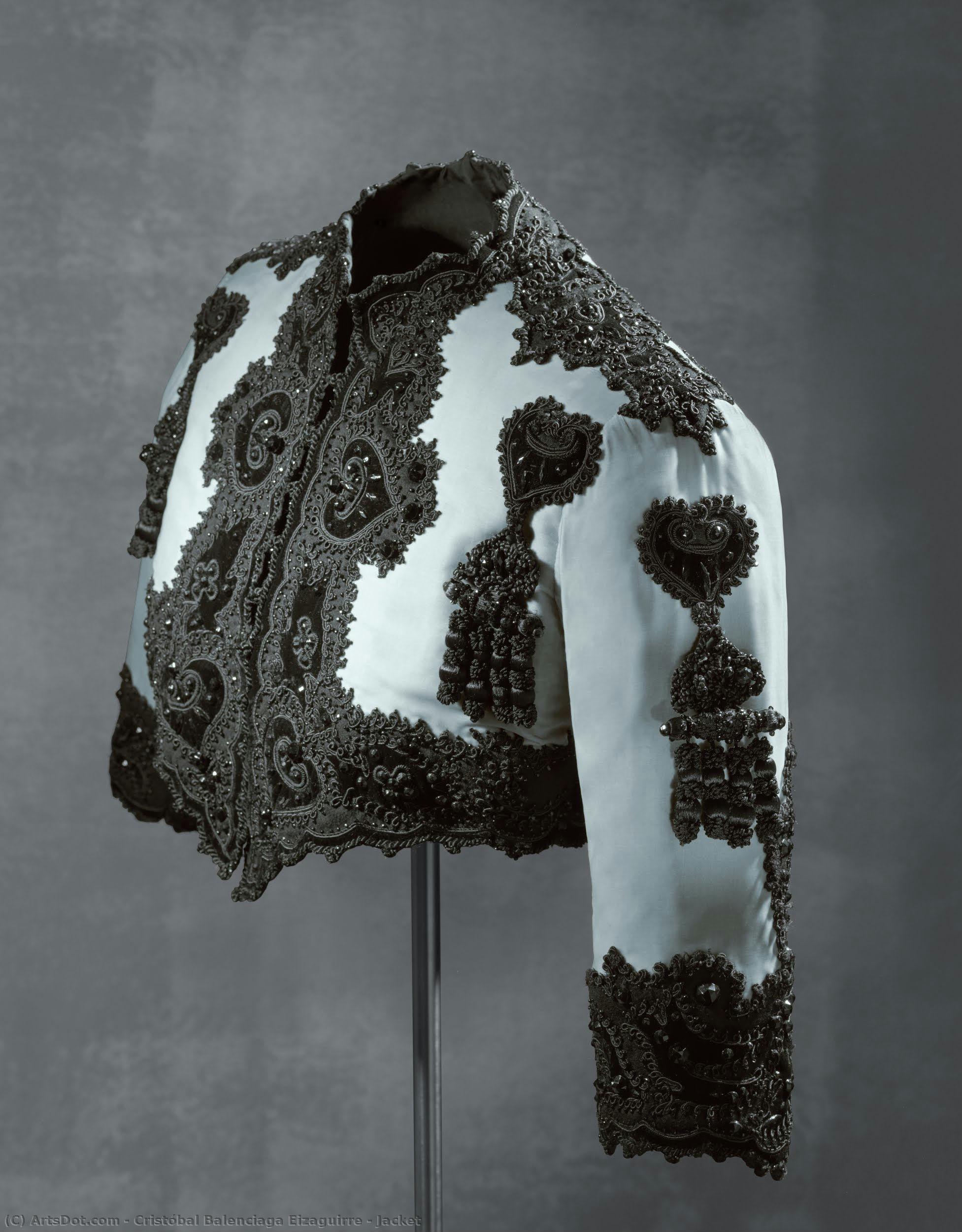
Balenciaga’s ‘Jacket,’ created in 1930s Paris, exemplifies this sculptural ethos perfectly. It represents a pivotal moment in fashion history—a conscious rejection of the prevailing corset-driven silhouettes of the time and an assertion of female independence through form and drapery. The jacket's design incorporates a square collar, three-quarter sleeves, and meticulous piping and glass-paste beading that create floral motifs – elements reflecting Balenciaga’s fascination with natural forms and his masterful manipulation of embellishments.
- Historical Context: Produced during the Great Depression, the jacket embodies a spirit of resilience and understated glamour. It speaks to a desire for elegance amidst economic hardship, prioritizing refined aesthetics over ostentation.
- Technique & Materials: Crafted from silk satin and adorned with delicate lace and beads, the jacket showcases Balenciaga’s unparalleled skill in textile manipulation. The intricate beadwork—inspired by Basque stone carvings—creates mesmerizing patterns that capture light and movement, enhancing the garment's visual impact.
- Symbolism: Beyond its aesthetic beauty, the jacket symbolizes liberation from restrictive corsets—a gesture of defiance against societal expectations and a celebration of feminine grace. The floral motifs evoke notions of springtime renewal and femininity.
Balenciaga’s Influence on Contemporary Design
Cristóbal Balenciaga's legacy extends far beyond his own creations, profoundly impacting subsequent generations of designers. His sculptural approach to fashion continues to inspire artists today who strive for innovation and artistic expression. The meticulous attention to detail—the masterful use of fabric—the exploration of form and texture—these principles remain central to the aesthetic sensibilities of many contemporary creatives. Balenciaga’s unwavering commitment to uncompromising standards serves as a reminder that true artistry lies in elevating craftmanship to an art form itself.
“Fashion isn't about clothes; it’s about sculpting.” – Cristóbal Balenciaga