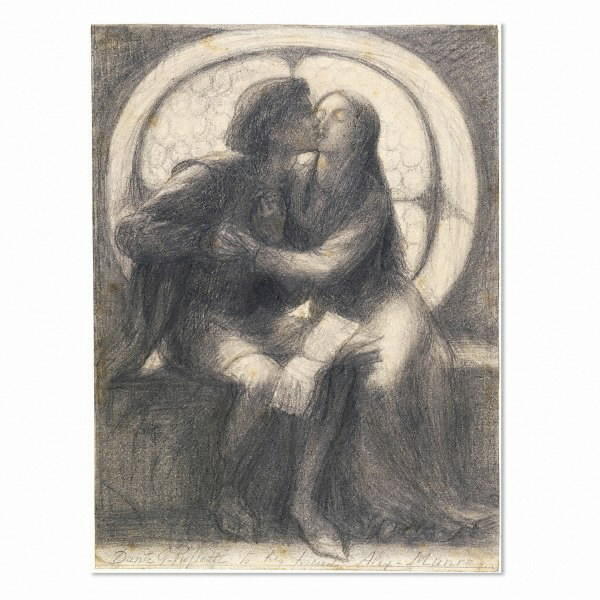
Explore Dante Gabriel Rossetti's haunting 'Paolo and Francesca,' a Pre-Raphaelite masterpiece depicting tragic love inspired by Dante's Inferno. Discover its rich symbolism & emotional depth.
Meta Description: Dante Gabriel Rossetti (1828-1882), umetnik Pre-Raphaelitskog pokreta i simbolizma, poznat po svojim senzualnim slikama i epskim temama koje su oblikovale estetiku viktorijanskog doba. otkrijte njegov kulturni doprinos i umetničko nasledje!
Otkrijte čudesnu priču ljudske istorije i kulture u Britanskom muzeju! Istražite ikonične artefakte iz celog sveta – od drevnog Egipta do moderne umetnosti. Obavezan londonski orijentir.
Kraljevski dekret
2
Na čemu je Britanski muzej prvobitno zasnovan?
A Tragic Embrace: Unveiling Rossetti’s “Paolo and Francesca”
Dante Gabriel Rossetti's 1855 watercolor, *Paolo and Francesca*, is not merely a depiction of a forbidden kiss; it’s a haunting visual poem born from the depths of Dante Alighieri’s *Inferno*. The painting captures a pivotal moment from Canto V – the tragic tale of Paolo Malatesta and Francesca da Rimini, condemned to eternal torment for their adulterous love. Rossetti, deeply captivated by medieval Italian art and literature, doesn't present a scene of scandalous transgression but rather one of profound sorrow and inescapable fate. The composition centers on the lovers, locked in an embrace that feels both tender and doomed. The figures are rendered with meticulous detail, particularly Francesca’s flowing red hair – a hallmark of Rossetti’s aesthetic and often associated with his muse, Elizabeth Siddal. Behind them stand shadowy figures representing Dante and Virgil, witnesses to this eternal suffering, subtly reminding the viewer of the narrative's source and the weight of divine judgment. The overall effect is one of claustrophobia and emotional intensity, drawing the observer into the heart of their despair.
The Pre-Raphaelite Vision & Technical Mastery
Rossetti was a founding member of the Pre-Raphaelite Brotherhood, a group that rebelled against the academic art of their time, seeking to return to the perceived purity and detail of Italian Renaissance painting *before* Raphael. This influence is strikingly evident in *Paolo and Francesca*. The vibrant colors, though subdued in this watercolor, are applied with painstaking precision, and the attention to texture – from the fabrics of the garments to the delicate features of the faces – is remarkable. Unlike many artists who favored preparatory sketches, Rossetti often worked directly onto the surface, building up layers of color and detail with a meticulous hand. This approach lends the work an immediacy and intimacy that resonates deeply with the viewer. The choice of watercolor itself was significant; it allowed for a luminosity and transparency that perfectly suited the ethereal quality he sought to convey – a sense of being caught between worlds, life and death, earthly passion and eternal damnation.
Symbolism Woven into the Narrative
Beyond the central narrative, Rossetti imbues *Paolo and Francesca* with layers of symbolism drawn from Dante’s poem and medieval iconography. The very act of reading – suggested by the presence of a book in Paolo's hand – is crucial; it was while reading a tale of Lancelot and Guinevere that their illicit desire ignited. The surrounding darkness hints at the infernal realm, while the figures themselves are not merely portraits but embodiments of sin and suffering. Rossetti’s use of color also carries symbolic weight: the rich reds evoke passion and transgression, while the muted tones suggest sorrow and regret. The triptych format itself—a common structure in medieval altarpieces—elevates the scene to a religious level, framing their tragic love as a kind of perverse devotion. It’s a masterful blend of literary allusion, artistic technique, and symbolic language that invites repeated viewing and contemplation.
An Echo of Eternal Longing
*Paolo and Francesca* is more than just a historical painting; it's an exploration of universal themes – love, loss, desire, and the consequences of transgression. Rossetti’s work taps into a deep well of human emotion, reminding us of the power of passion and the enduring pain of forbidden love. The image resonates with a melancholic beauty that continues to captivate audiences today. For those seeking to bring a touch of romantic tragedy and Pre-Raphaelite elegance into their spaces, a reproduction of this masterpiece offers not only aesthetic appeal but also a profound emotional depth—a constant reminder of the enduring power of art to explore the complexities of the human heart.