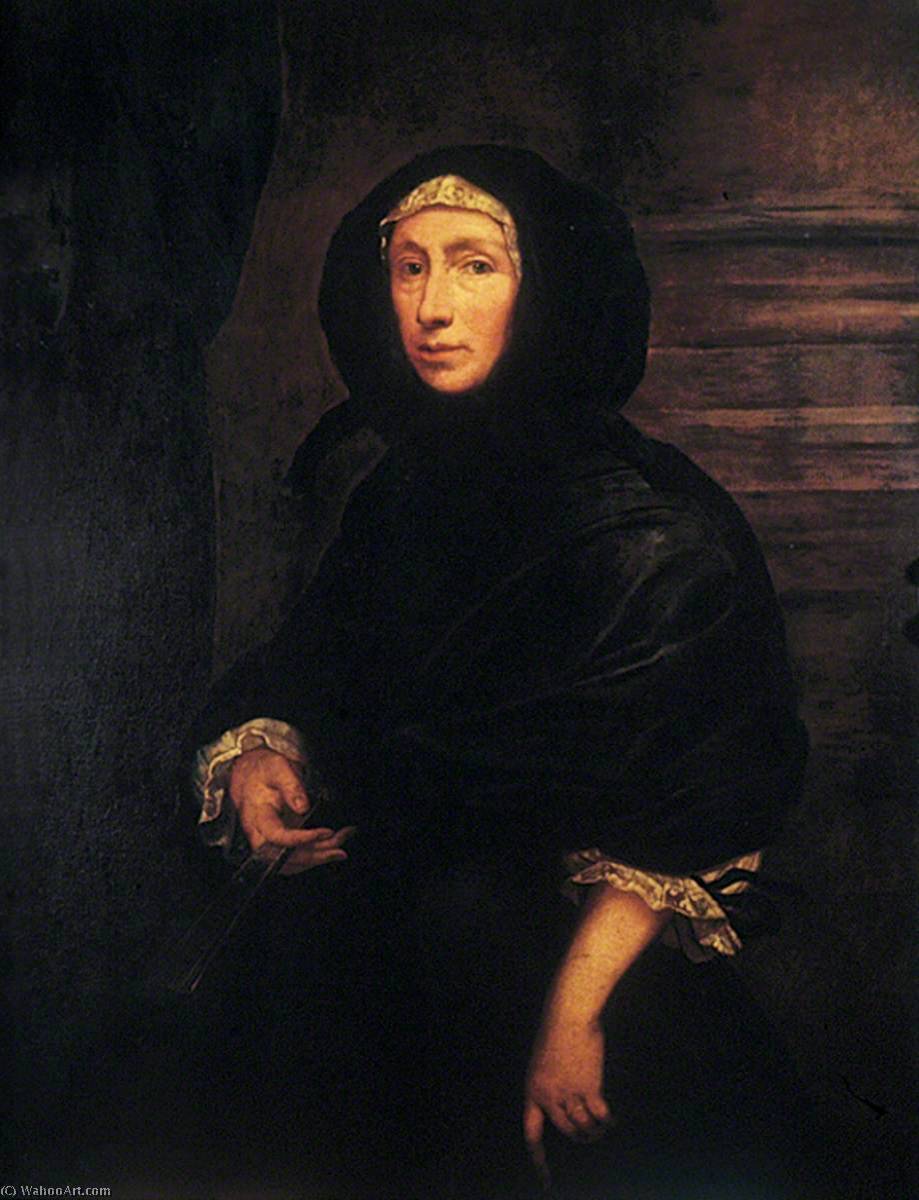
Explore David Teniers’ "Portrait of a Lady" (1677) – a stunning Baroque oil painting showcasing realistic detail & dramatic chiaroscuro. Discover Flemish artistry!
David Teniers Mlađi (1610-1690): Vodeći flamanski barokni slikar živopisnih scena svakodnevnog života, seljačkih motiva i detaljnih pejzaža. Uticao na brojne umetnike!
Otkrijte Temple Newsam House i Home Farm: Istražite vekove istorije kroz neverovatne umetničke kolekcije, pejzaže Capability Browna i uzbudljiva iskustva – najlepše seosko imanje u Lidsu!
David Teniers the Younger’s Portrait of a Lady: A Window Into Baroque Flemish Art
The artwork “Portrait of a Lady,” executed by David Teniers the Younger in 1677, stands as a testament to the flourishing Baroque artistic tradition of Flanders. More than just a depiction of an individual woman—likely commissioned for commemoration—the painting embodies the stylistic innovations and humanist sensibilities that defined the era’s finest art. Its subtle grandeur resides not merely in its formal beauty but also in the masterful manipulation of light, texture, and perspective to convey profound emotion and intellectual contemplation.
Style and Technique: Venetian Influence Meets Flemish Realism
Teniers' approach aligns closely with Venetian Renaissance painting, particularly the influence of artists like Rubens, renowned for their groundbreaking use of *chiaroscuro*. This dramatic contrast between light and dark isn’t merely decorative; it serves to sculpt the figure’s form, highlighting her facial features and drapery while plunging the background into shadowy obscurity. The artist employs oil paint on canvas with meticulous attention to detail—a technique characteristic of the period—resulting in a surface imbued with palpable texture. Brushstrokes are deliberately layered to create a sense of depth and volume, mirroring the folds of fabric and conveying an impression of materiality that transcends mere representation. Lines delineate contours precisely, guiding the viewer’s eye across the composition and reinforcing the solidity of the depicted space.
Historical Context: The Age of Patronage and Artistic Experimentation
The painting emerged during a period marked by significant artistic experimentation and fueled by royal patronage—a hallmark of Antwerp’s cultural landscape in the mid-17th century. Teniers was serving as court painter to Maximilian Henry Gonzaga, Duke of Parma, demonstrating the importance of artistic commissions in shaping artistic trends. This era witnessed a renewed interest in classical ideals alongside an embrace of Baroque dynamism and emotional intensity. The subject matter itself—a portrait—reflects the humanist preoccupation with capturing human individuality and portraying psychological states—a departure from earlier conventions focused on idealized representations.
Symbolism and Emotional Resonance: Contemplation Amidst Darkness
Despite its formal sophistication, “Portrait of a Lady” avoids overt symbolism; instead, it communicates an atmosphere of quiet contemplation. The woman’s gaze directs outwards, suggesting introspection and perhaps melancholy—a subtle yet powerful expression of inner life. The dark background serves as a foil to her luminous face, emphasizing the vulnerability inherent in human experience. The artist's skillful use of color contributes to this emotional impact, creating a harmonious palette that evokes feelings of serenity and solemnity. It’s a painting designed not just to record likeness but to engage the viewer’s imagination and provoke reflection on themes of beauty, solitude, and perhaps even mortality.
Conclusion: A Legacy of Flemish Baroque Mastery
David Teniers the Younger's “Portrait of a Lady” exemplifies the apex of Flemish Baroque artistry—a genre that prioritized realism alongside expressive power. Its enduring appeal lies in its ability to capture not only visual splendor but also the complexities of human emotion and intellect, cementing Teniers’ place as one of the era’s most celebrated painters and ensuring his masterpiece continues to inspire admiration for generations to come.