The Enigmatic Cousin: Exploring Velázquez’s Masterpiece
Diego Rodríguez de Silva y Velázquez, arguably Spain's most celebrated Baroque painter, crafted a series of portraits that captured the essence of Philip IV’s court – a realm steeped in grandeur and shadowed by political intrigue. Among his remarkable achievements is
Don Diego de Acedo (El Primo), a painting that transcends mere representation and delves into the complexities of human character within a meticulously rendered historical tableau. This artwork resides proudly in the Museo del Prado, Madrid, offering visitors an unparalleled glimpse into Velázquez’s artistic genius and the social dynamics of 17th-century Spain.
A Dwarf Among Nobles: Subject Matter and Composition
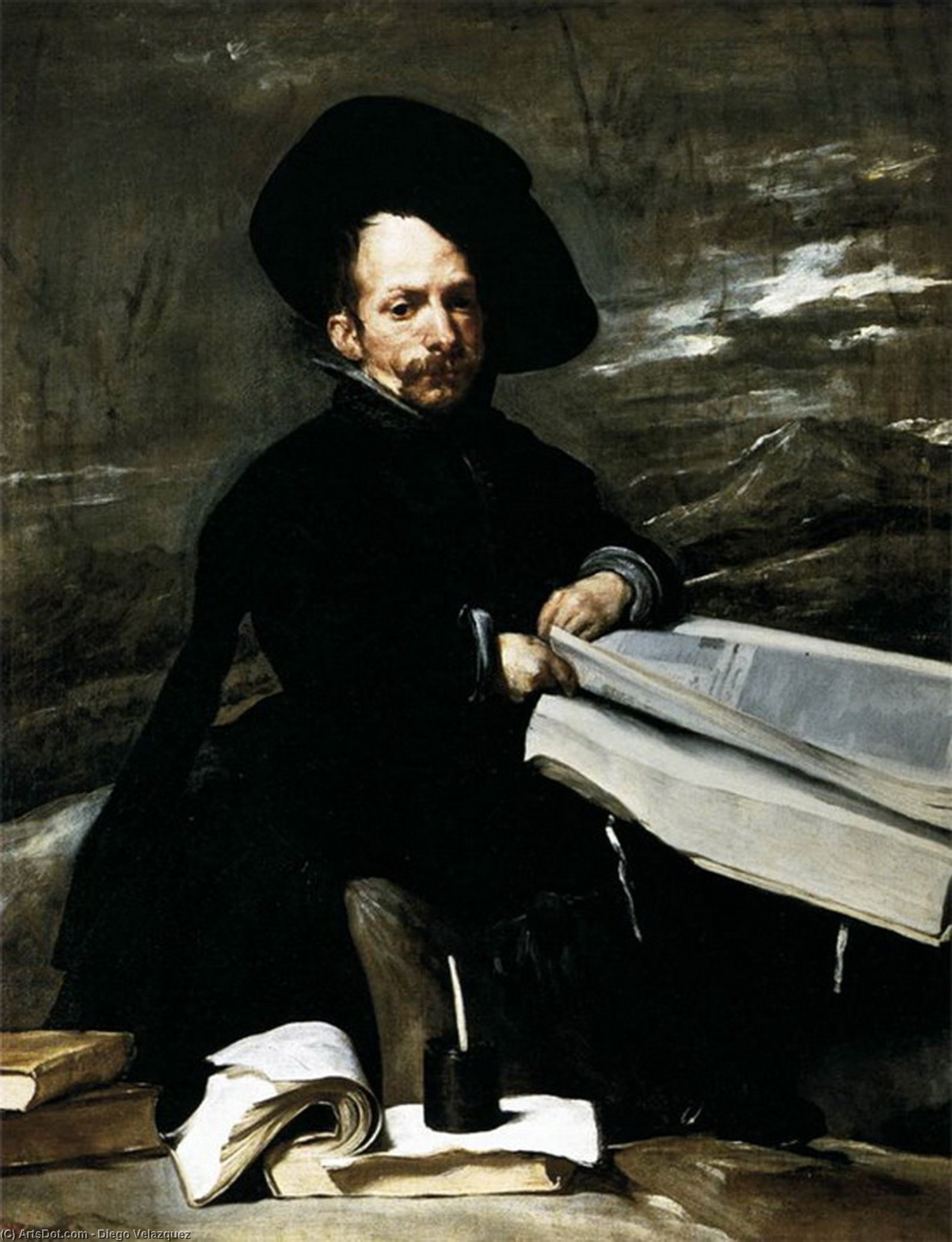
The portrait depicts Don Diego de Acedo (El Primo), a dwarf who served as jester at Philip IV's court, presenting him with an arresting juxtaposition of vulnerability and dignity. Velázquez’s masterful composition places the diminutive figure seated on the ground, subtly elevating his status through posture and gaze. Unlike many depictions of dwarfs during that era—often portrayed as mere entertainers or objects of ridicule—Velázquez imbues Acedo with a profound respect for human intellect and spirit. The artist's keen eye captures not just physical appearance but also psychological nuance, inviting contemplation on themes of identity and social perception.
Technique and Symbolism: Velázquez’s Revolutionary Approach
What distinguishes
Don Diego de Acedo (El Primo) is Velázquez’s groundbreaking technique—characterized by unparalleled realism and luminous color palettes. He employs sfumato, a blurring effect that softens contours and creates an ethereal atmosphere, particularly evident in the background landscape. This deliberate defocus directs attention to the central subject, emphasizing his presence and conveying a sense of contemplative stillness. The inclusion of books at Acedo’s feet—a quill pen and several volumes—serves as potent symbolism: representing literacy, erudition, and intellectual pursuits – qualities Velázquez deliberately ascribed to his subjects.
Historical Context: Reflections of Royal Life
Don Diego de Acedo (El Primo) was created during Velázquez’s tenure at the royal court, specifically commissioned for display in Philip IV's Torre de la Parada hunting lodge. This context underscores the artist’s commitment to portraying individuals with dignity and sophistication—a deliberate defiance of prevailing stereotypes concerning dwarfs and jesters. The painting stands alongside other monumental portraits by Velázquez – including Las Meninas and Infanta Doña María, Queen of Hungary – demonstrating his unwavering dedication to capturing the complexities of human experience within a grand historical framework.
Legacy and Artistic Significance
Don Diego de Acedo (El Primo) remains a cornerstone of Baroque art history and continues to inspire artists today. Velázquez’s innovative approach—his insistence on portraying subjects with empathy and intellectual depth—established him as a pioneer in portraiture and profoundly influenced subsequent generations of painters. Its enduring appeal lies not only in its aesthetic beauty but also in its ability to provoke reflection on themes of identity, social status, and the human condition – qualities that resonate powerfully across centuries.