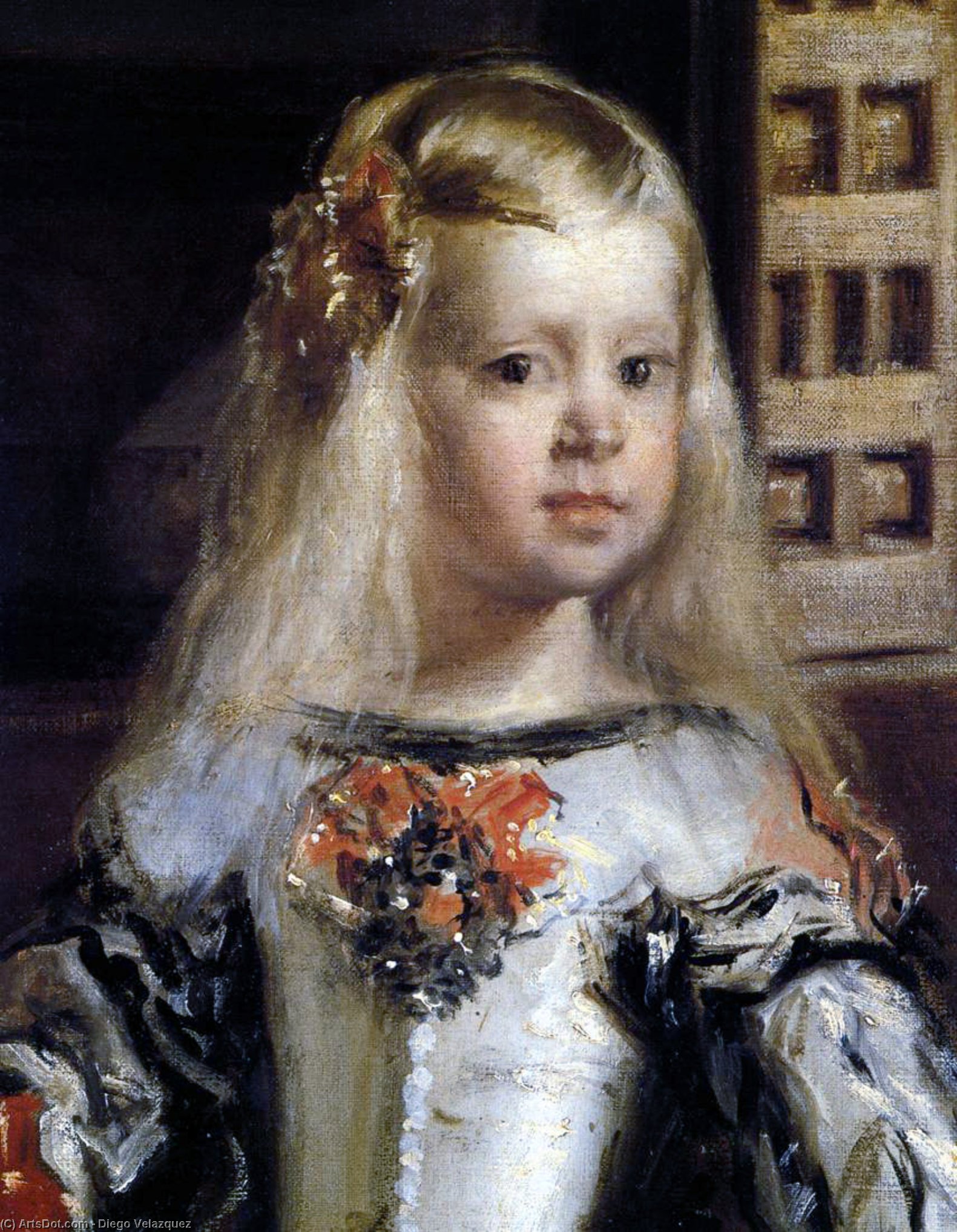
A Glimpse into Royal Life: Unveiling Velázquez’s *Las Meninas* (detail)
This captivating detail from Diego Velázquez's monumental masterpiece, *Las Meninas*, offers a compelling window into the Spanish Golden Age and the intricacies of courtly life. Painted in 1656, this fragment encapsulates the brilliance of Velázquez’s Baroque style, inviting viewers to contemplate not just what is depicted, but *how* it is depicted – and why.
Masterful Technique & Artistic Style
Velázquez's technique is immediately striking. He employs a loose, fluid brushstroke—remarkably modern for its time—that creates an incredible sense of realism and immediacy. The use of
chiaroscuro, the dramatic interplay of light and shadow, isn’t merely decorative; it directs our gaze, emphasizing key figures while shrouding others in subtle mystery. This detail showcases his ability to render textures – from the delicate fabric of clothing to the soft skin tones – with astonishing accuracy. The painting exemplifies Baroque artistry through its dynamic composition, rich color palette (warm browns, golds, and reds dominate), and a palpable sense of movement within a seemingly static scene.
Historical Context & Royal Intrigue
*Las Meninas* was created during the reign of King Philip IV of Spain, a period marked by both political power and economic decline. Velázquez held a unique position as court painter and chamberlain, granting him intimate access to the royal family. The painting is believed to depict a scene within the Royal Alcázar of Madrid, capturing the Infanta Margarita Teresa surrounded by her maids-of-honor, dwarves, and other members of the court. Velázquez himself is prominently featured *within* the painting, actively at work on a canvas – blurring the lines between observer and observed.
Symbolism & Layers of Meaning
The symbolism within *Las Meninas* has been debated for centuries. The mirror in the background reflecting King Philip IV and Queen Mariana is particularly intriguing. Are they posing for Velázquez, or are we, as viewers, taking their place? This deliberate ambiguity challenges our perception of reality and illusion. Velázquez’s inclusion of himself within the painting elevates the status of the artist, suggesting that painting itself is a noble pursuit worthy of royal attention. The composition isn't simply a portrait; it's a meditation on representation, perspective, and the very act of seeing.
Emotional Impact & Enduring Legacy
This detail from *Las Meninas* evokes a sense of quiet intimacy and restrained grandeur. It’s not a boisterous display of power, but rather a glimpse into a private moment within the royal court. The serious expressions on the faces of the figures suggest a world governed by protocol and decorum. The painting's enduring legacy lies in its innovative composition, technical brilliance, and profound philosophical questions. It continues to inspire artists and captivate audiences centuries after its creation.
For Collectors & Interior Designers
A high-quality reproduction of this detail from *Las Meninas* would be a stunning addition to any collection or interior space. Its rich colors and intricate details lend themselves well to both traditional and contemporary settings. The painting’s intellectual depth provides a conversation starter, while its aesthetic beauty offers timeless elegance.
- Style: Baroque
- Artist: Diego Velázquez
- Year: 1656
- Medium: Oil on Canvas
Experience the timeless beauty and intellectual depth of Velázquez’s masterpiece with a meticulously crafted reproduction.