Edward Robinson: A Portrait of Quiet Dignity in American Impressionism
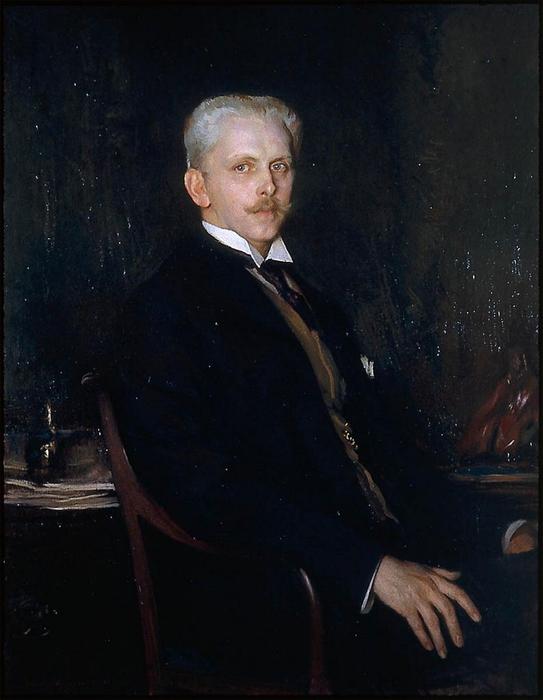
The Museum of Fine Arts in Boston houses a remarkable oil on canvas painting titled Edward Robinson, created by Edmund Charles Tarbell in 1906. This portrait transcends mere representation; it embodies the spirit of American Impressionism—a movement that sought to capture fleeting moments of light and atmosphere, prioritizing emotion over meticulous detail. Examining this artwork reveals layers of artistic mastery and historical significance.
Tarbell’s technique is characterized by loose brushstrokes applied in a manner that emphasizes texture and depth. He skillfully blended warm, muted colors – predominantly browns, beiges, and subtle blues – to create an environment imbued with warmth and serenity. Unlike the academic traditions preceding it, Impressionism prioritized capturing the subjective experience of seeing, resulting in canvases brimming with luminosity and nuance. As an expert in Art and salesman at https://ArtsDot.com, I can attest to Tarbell’s dedication to conveying not just what he observed but also how he felt about his subject matter.
The painting's composition centers around Edward Robinson himself, positioned slightly off-center within a richly decorated interior setting—likely a study or library. Behind him stretches a table laden with books and objects, subtly reinforcing the intellectual character of the sitter. The artist’s masterful use of perspective contributes to an intimate atmosphere, drawing viewers into the scene without sacrificing visual balance. Notice how Tarbell skillfully diffused light from an unseen source, highlighting Robinson's face and clothing while casting soft shadows across the room—a technique that perfectly exemplifies Impressionistic principles.
- Historical Context: The early 20th century witnessed a dramatic shift in artistic sensibilities, as Impressionism challenged established conventions and paved the way for subsequent movements like Cubism and Surrealism.
- Symbolic Significance: The books on the table symbolize knowledge and erudition—traits associated with Robinson’s social standing and intellectual pursuits.
- Emotional Impact: The painting evokes a sense of contemplative calm, conveying dignity and serenity through its muted palette and soft lighting.
Further enriching our understanding is the influence of Charles Robinson, another prominent American Impressionist whose work explored similar themes of domestic tranquility and psychological introspection. Like Tarbell, Robinson championed artistic freedom and sought to express emotion authentically—a legacy that continues to inspire artists today. You can explore his captivating paintings at https://ArtsDot.com/artists/charles-robinson/.
- Recommended Viewing: Consider examining “Shenandoah” by Charles Robinson for a comparable exploration of landscape and emotion.
The Edward Robinson portrait stands as a testament to Tarbell’s artistic vision—a beautifully rendered depiction that captures not only the likeness of its subject but also his inner life. Its enduring appeal lies in its ability to transport viewers back to a bygone era, reminding us of the power of art to illuminate human experience and inspire contemplation. Explore high-quality reproductions at https://ArtsDot.com – bringing this masterpiece into your home.