A Vision of Suffering: Unveiling El Greco’s “The Agony in the Garden”
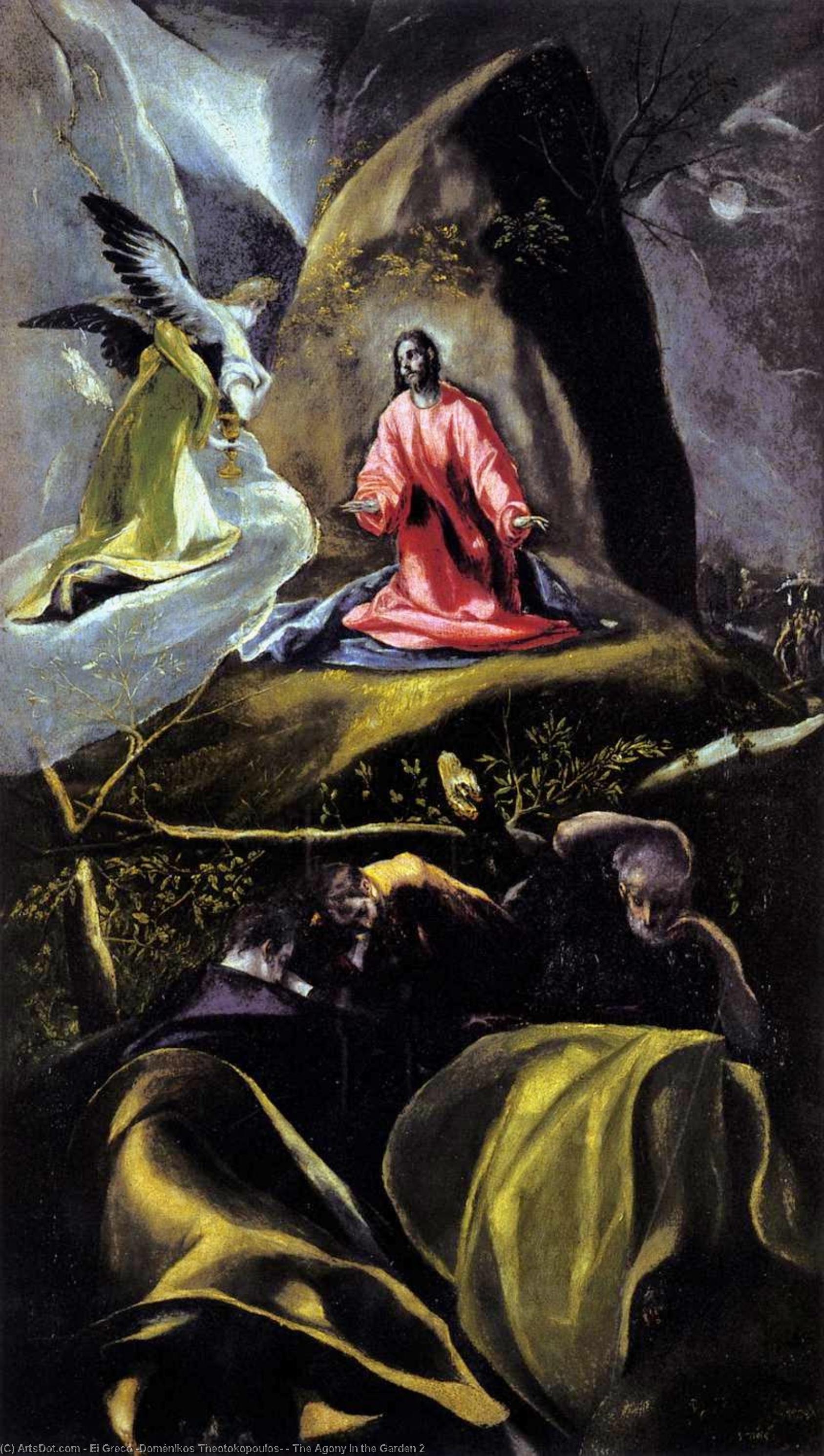
El Greco’s “The Agony in the Garden,” a profoundly moving black and white depiction of Christ's final moments before his betrayal, transcends mere religious illustration. It’s a visceral experience, a raw portrayal of anguish and acceptance that resonates centuries after its creation. Born Doménikos Theotokopoulos on the island of Crete in 1541, El Greco – “the Greek” – forged an utterly unique artistic identity, blending Byzantine tradition with Venetian influences and culminating in a style characterized by elongated figures, dramatic lighting, and intense emotionality. This particular work, likely completed around 1590-1595 during his time in Toledo, Spain, embodies the peak of this expressive approach. It’s not simply a representation of a biblical scene; it's an exploration of human vulnerability and spiritual struggle, anticipating elements of Expressionism and Cubism by several centuries.

Composition and Technique: A Baroque Drama
The painting immediately commands attention through its dynamic composition. Christ, centrally positioned and dramatically elongated, is rendered with a physicality that conveys both his immense suffering and his unwavering resolve. His arms are outstretched in a gesture of profound agony, mirroring the traditional depiction of crucifixion but imbued with an unprecedented level of emotional intensity. The surrounding figures – Peter, John, James, and the angel – are not merely observers; they’re participants in Christ's torment, their postures reflecting varying degrees of fear, sorrow, and support. El Greco masterfully employs a technique rooted in Mannerism, characterized by distorted perspective, exaggerated gestures, and vibrant, almost unnatural colors (though rendered here in monochrome). Notice the sharp contrasts between light and shadow – a hallmark of Baroque art – which heighten the drama and focus attention on Christ’s face, etched with pain. The use of vertical lines, particularly within the trees and the angel's form, adds to the sense of upward movement and spiritual ascension.
- Elongated Figures: A signature element of El Greco’s style, emphasizing emotional intensity.
- Dramatic Lighting (Monochrome): Creates a powerful contrast between light and shadow, drawing the viewer's eye to Christ's suffering.
- Mannerist Influence: Distorted perspective and exaggerated gestures contribute to the painting’s expressive power.
Symbolism and Historical Context
“The Agony in the Garden” is deeply rooted in Christian tradition, specifically referencing the Gospel accounts of Jesus's prayerful struggle before his arrest. The scene represents a pivotal moment – not just within the narrative of Christ’s Passion but also as a universal symbol of human suffering and the acceptance of fate. The angel descending from the heavens embodies divine intervention and support, offering solace to Christ during his darkest hour. The presence of the other disciples underscores the communal nature of faith and the shared burden of witnessing such profound sorrow. Considering El Greco’s own life – marked by personal hardship and religious devotion – it's likely that he infused this painting with a deeply felt sense of empathy and spiritual understanding. The work was created during a period of intense religious fervor in Spain, reflecting the Counter-Reformation’s emphasis on emotional engagement with faith.
A Timeless Reflection: Reproduction Possibilities
ArtsDot offers meticulously crafted hand-painted reproductions of El Greco's “The Agony in the Garden,” allowing you to bring this iconic masterpiece into your home or office. Our skilled artists replicate the painting’s intricate details, dramatic lighting, and emotional depth with unparalleled accuracy. Whether you choose a large-scale canvas for a statement wall or a smaller print for a personal space, our reproductions capture the essence of El Greco's genius while providing a luxurious and authentic alternative to the original. Explore the various sizes and materials available on our website – each reproduction is created with archival quality pigments and stretched onto premium canvas for lasting beauty and vibrancy. Discover more about this artwork here.