Portrait of Hans Frisch by Ernst Ludwig Kirchner: A Window Into Expressionist Anxiety
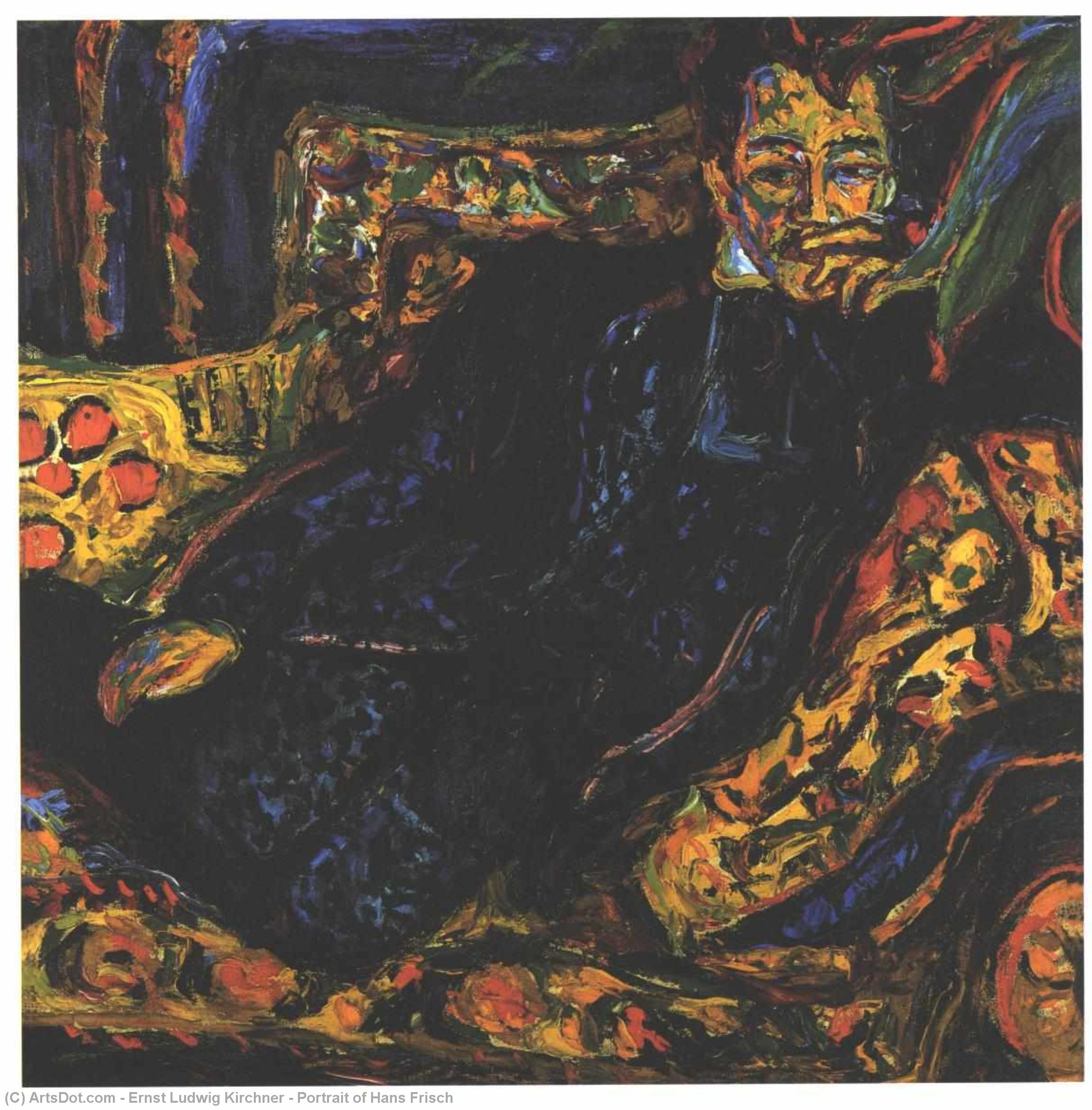
Ernst Ludwig Kirchner’s “Portrait of Hans Frisch,” completed in 1917, stands as a quintessential embodiment of German Expressionism—a movement born from the turbulent aftermath of World War I and driven by an urgent desire to confront the anxieties simmering beneath the surface of European society. More than just a likeness of Hans Frisch, this painting delves into the psychological landscape of its subject, employing bold colors and dynamic brushwork to convey a profound sense of unease and introspection.
- Subject Matter: Kirchner captures Frisch’s gaze with intense focus, partially obscured by swirling lines that suggest an inner turmoil—a preoccupation with thoughts and emotions rather than a straightforward depiction of appearance. The seated posture exudes calmness despite the underlying tension.
- Style: Expressionism rejects academic realism in favor of subjective emotional response. Kirchner’s style prioritizes feeling over precise representation, utilizing loose brushstrokes and fragmented forms to create an atmosphere of dynamism and disorientation.
- Technique: The painting utilizes impasto—thickly applied paint—creating a tactile surface that amplifies the artwork's raw energy. Kirchner employs vibrant hues—deep blues, blacks, yellows accented with reds and greens—to generate striking contrasts and heighten emotional impact. Diffuse lighting contributes to a moody ambiance.
- Historical Context: Created during the disillusionment following WWI, “Portrait of Hans Frisch” reflects the anxieties prevalent in Germany at the time. Kirchner’s work aligns with Die Brücke's mission to break free from traditional artistic conventions and explore new avenues for expressing human emotion.
Symbolism: The painting’s color palette—particularly the dominant blues and blacks—symbolizes melancholy and despair, mirroring the pervasive mood of postwar Germany. Kirchner’s distorted forms serve as visual metaphors for psychological instability, prompting viewers to contemplate the complexities of human consciousness.
Exploring Kirchner's Expressionist Vision
Kirchner’s artistic philosophy centered on capturing “the essence” of his subject—a concept deeply rooted in Expressionist principles. He eschewed meticulous detail, opting instead for a stylistic approach that prioritized emotional resonance above all else. This decision is evident in the painting’s composition: The head and torso dominate the canvas, framed by an abstracted background resembling cushions or upholstery.
- Color Palette: Kirchner deliberately employs colors outside the realm of naturalistic representation—a hallmark of Expressionism—to convey emotion. The blues and blacks evoke feelings of sadness and isolation, while yellows inject bursts of optimism amidst the prevailing gloom.
- Brushwork: Kirchner’s technique is characterized by loose, gestural brushstrokes that imbue the painting with movement and energy. These strokes create a sense of immediacy and convey the artist's unfiltered emotional experience.
“Portrait of Hans Frisch” exemplifies Kirchner’s commitment to conveying psychological depth through visual distortion—a technique central to Expressionist art. It invites contemplation on themes of anxiety, isolation, and the human condition, cementing its place as a powerful testament to the expressive spirit of German Art.