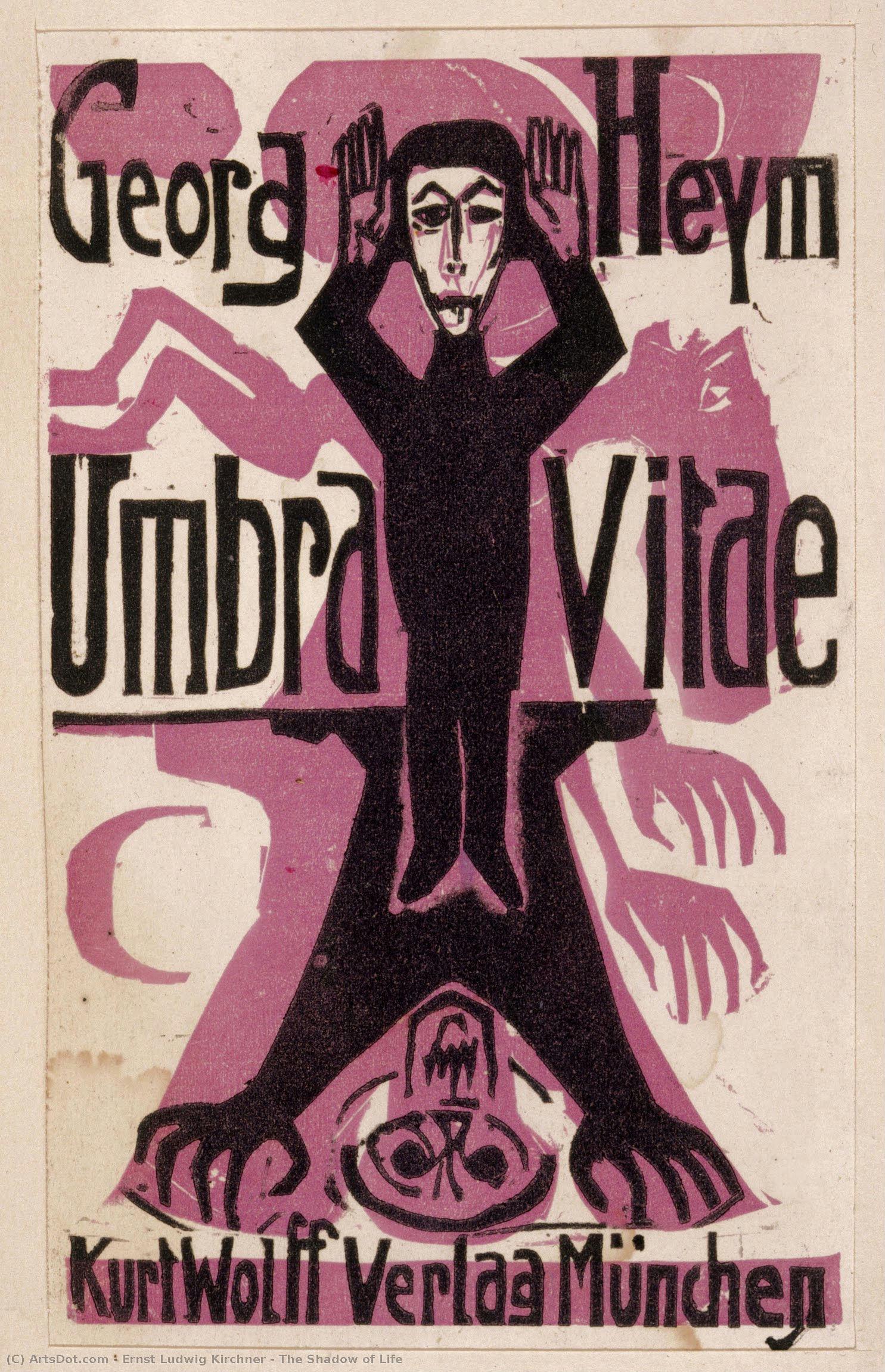
A Life Forged in Expression: The World of Ernst Ludwig Kirchner – Kirchner's early life shaped his artistic vision, marked by displacement and a rejection of academic convention. He found kinship with fellow rebels like Fritz Bleyl and Karl.
Aschaffenburg
Germany
1880
1938
Ernst Ludwig Kirchner
Pinks, oranges, blacks, greys
An Exploration of Ernst Ludwig Kirchner’s Vision
Painted before Wo
The Shadow of Life: An Exploration of Ernst Ludwig Kirchner’s Vision
Ernst Ludwig Kirchner's "Street, Berlin" (1913) stands as a cornerstone of German Expressionism—a movement that sought to convey raw emotion and psychological turmoil through distorted forms and vibrant colors. Painted before the horrors of World War I engulfed Europe, this monumental canvas captures not merely a cityscape but an unsettling portrait of human existence grappling with anxieties about modernity and isolation. Kirchner’s masterful technique—characterized by loose brushstrokes and flattened planes—immediately establishes a visual language that defies conventional realism, prioritizing feeling over factual representation.
- Composition & Technique: The painting employs a dramatic diagonal perspective, pulling the viewer into the scene with an unsettling dynamism. Kirchner utilizes thick impasto – applying paint thickly onto the canvas – creating palpable texture and emphasizing the physicality of the figures. Bold swathes of color—primarily pinks and oranges—dominates the background, contrasting sharply with the muted blacks and greys of the clothing worn by the men in the street. This deliberate use of color isn’t merely decorative; it serves to heighten emotional intensity and convey a sense of unease.
- Symbolism & Narrative: Two women occupy the central foreground, their faces turned away from the viewer—a gesture that underscores their vulnerability and detachment. Their posture conveys a palpable sadness, mirroring the pervasive melancholy inherent in Kirchner’s artistic vision. The figures are positioned against a backdrop of densely populated streets, symbolizing the overwhelming pressures of urban life and the difficulty of forging meaningful connections amidst crowds.
- Historical Context: Kirchner's work emerged during a period of profound social and intellectual upheaval—the dawn of the 20th century witnessed rapid industrialization, urbanization, and anxieties about societal change. Expressionist artists reacted against academic conventions and sought to express inner psychological states rather than objective depictions of reality. “Street, Berlin” embodies this spirit of rebellion, rejecting idealized representations in favor of confronting uncomfortable truths about human experience.
- Emotional Impact: Viewing "Street, Berlin" evokes a visceral response—a feeling of disorientation and apprehension. Kirchner’s masterful manipulation of color and form compels the viewer to contemplate themes of loneliness, alienation, and existential dread. The painting's unsettling atmosphere lingers long after viewing, prompting reflection on the complexities of human relationships and the pervasive influence of societal pressures.
- Location & Legacy: Currently housed at the Hammer Museum in Los Angeles, California, “Street, Berlin” continues to inspire artists and collectors alike. Its enduring appeal lies in its ability to capture a timeless portrait of human emotion—a testament to Kirchner’s artistic genius and the lasting legacy of German Expressionism.
Further Research: Explore Street, Berlin on Wikipedia:
https://en.wikipedia.org/wiki/Street%2C_Berlin_%28Kirchner%29. Delve into the Hammer Museum’s website for detailed information about the artwork and its exhibition history:
https://hammer.ucla.edu/fileadmin/media/Digital_archives/Loss_and_Restitution/Essays/Peter-Fox_Ernst-Ludwig-Kirchner’s-Shadow.pdf. Discover more about Ernst Ludwig Kirchner's life and artistic journey on Wikipedia:
https://en.wikipedia.org/wiki/Ernst_Ludwig_Kirchner. Examine Georg Heym’s “Umbra Vitae” at the National Gallery of Art:
https://www.nga.gov/artworks/227757-bucheinband-cover-georg-heym-umbra-vitae-georg-heym-shadow-life. Explore Kirchner’s oeuvre on Google Arts & Culture:
https://artsandculture.google.com/asset/the-shadow-of-life-ernst-ludwig-kirchner/WwHPTdvjPnUP7w?hl=en.