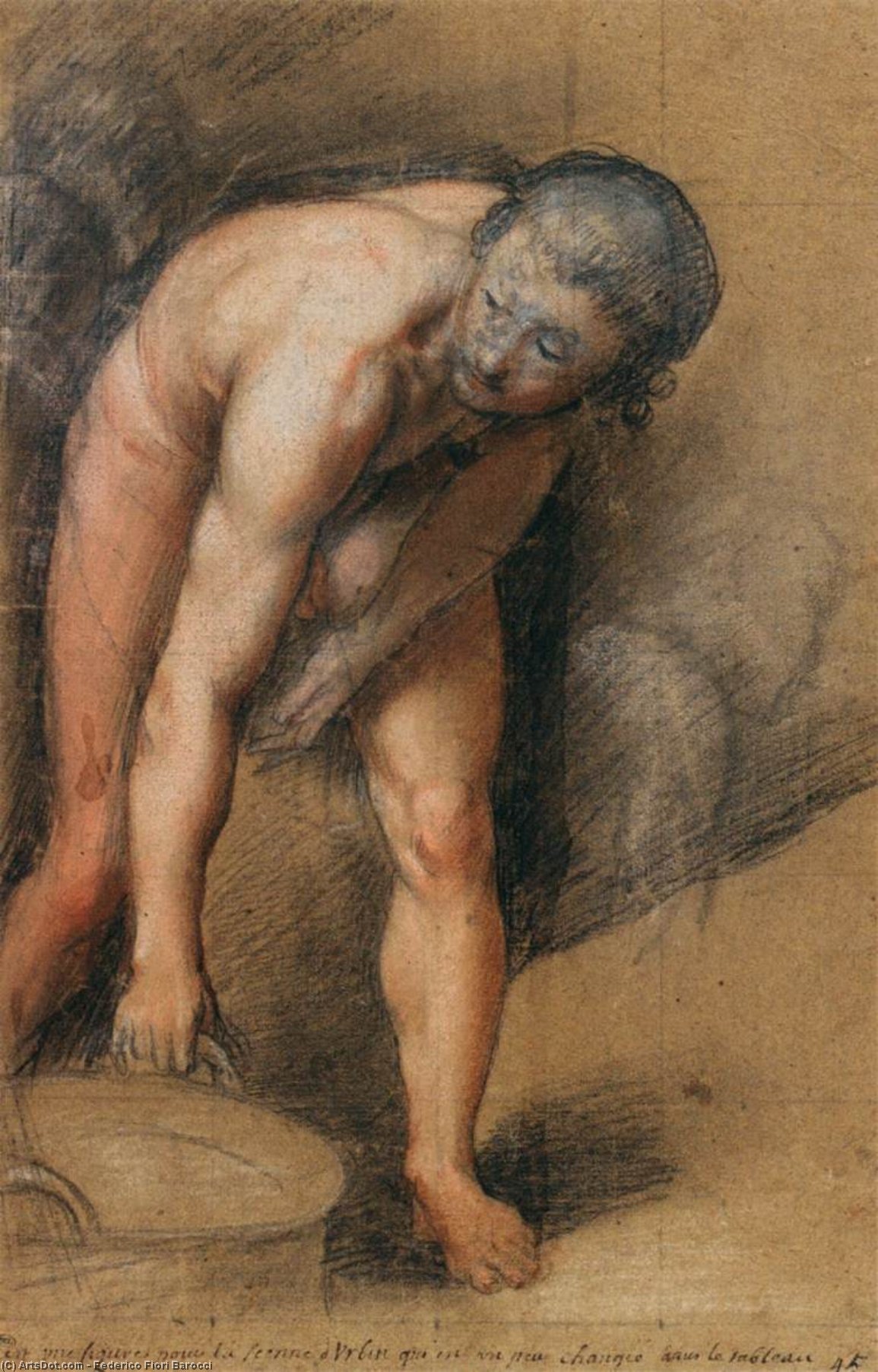
Federico Barocci (1535-1612): Majstor renesanse i baroka! Otkrijte njegove emotivne religijske scene, nežne Madone i pionirske pastelne studije. Inspirisao Rubensa.
Louvre
(Paris, France)
Otkrijte bezvremenske remek-dela Louvra! Putujte kroz istoriju umetnosti od drevnog Egipta do renesansnih ikona – Mona Liza, Venere Miloska i još mnogo toga. Pariško kulturno blago čeka na vas!
A) Kraljevskom dvorcem isključivo za Luja XIV.
B
Prema datom tekstu, šta je bila prvobitna svrha palate Louvre?
Federico Fiori Barocci: Bridging Renaissance & Baroque – A Study in Stooping Form
Federico Fiori Barocci (1535-1612), affectionately nicknamed “il Baroccio,” stands as a crucial nexus between the waning elegance of Mannerism and the burgeoning dynamism of the Baroque era. Born in Urbino, Italy – a city steeped in artistic tradition fostered by Isabella d’Este – Barocci embarked on a prolific career that would solidify his reputation as one of Rome's foremost painters and printmakers.
His formative years were spent honing his craft under the tutelage of Ambrogio Barocci, his father—a sculptor whose own work showcased the burgeoning sculptural tendencies of the time—and Battista Franco. This early training instilled in him a meticulous attention to detail and an understanding of classical proportions, elements that would subtly inform his later stylistic explorations.
The Studio Zuccari & Early Influences
Barocci’s artistic journey truly blossomed within the influential studio of Taddeo and Federico Zuccari in Rome. Surrounded by fellow artists grappling with new aesthetic sensibilities—particularly those championed by Peter Paul Rubens—he absorbed a wealth of stylistic influences that would propel him toward groundbreaking innovations. The Zuccari studio served as a crucible for experimentation, pushing boundaries against established conventions.
“St. Margaret”: A Testament to Emotional Depth
"St. Margaret," executed around 1560-61, represents Barocci’s initial foray into Baroque expression. This poignant depiction of Saint Margaret—a figure revered for her unwavering faith and miraculous deliverance from demonic possession—demonstrates Barocci's mastery of emotive spirituality. The painting utilizes soft pastel hues and delicately rendered drapery to convey a profound sense of serenity amidst turbulent circumstances.
Technical Innovation & Pastel Mastery
Barocci distinguished himself through his pioneering use of pastel – a technique previously considered marginal—transforming it into a medium capable of capturing subtle tonal gradations and luminous effects. His meticulous layering of pigment achieved unparalleled levels of realism, surpassing the limitations of oil paint in conveying atmospheric perspective and nuanced color palettes. This innovative approach foreshadowed Rubens’s own stylistic triumphs.
A Legacy Enduring Through Reproduction
The enduring fascination with Federico Barocci's oeuvre speaks to his profound contribution to artistic history. Reproductions of “Male Figure Stooping to Lift a Cauldron” – a preparatory sketch for a monumental altarpiece commissioned by Pope Pius IV – offer viewers an opportunity to appreciate the artist’s meticulous draftsmanship and conceptual vision. These high-quality reproductions allow collectors and interior designers alike to immerse themselves in the emotive power and stylistic brilliance of this pivotal figure in Italian Renaissance art.