A Glimpse into the Dutch Golden Age
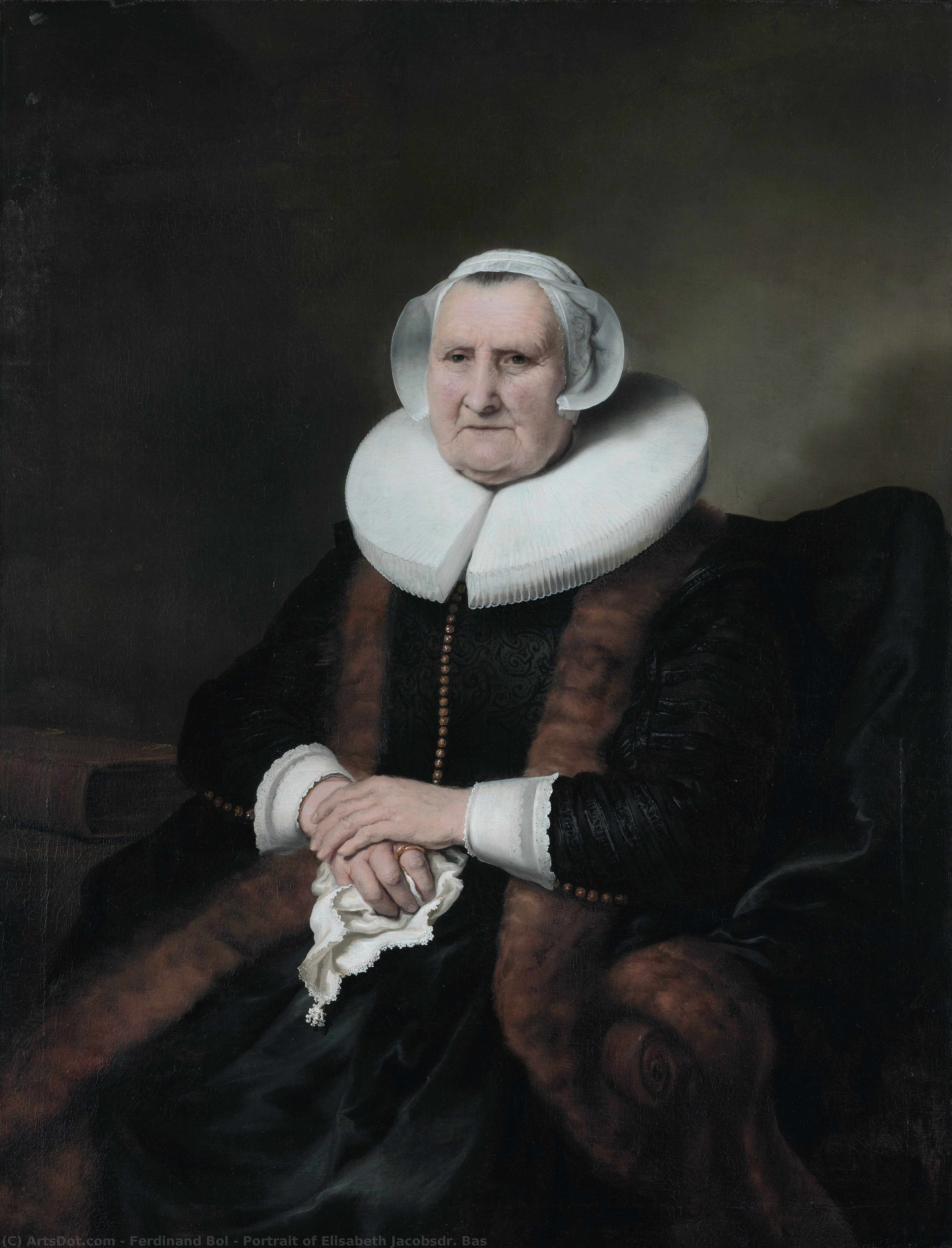
In the quiet, commanding presence of Ferdinand Bol’s Portrait of Elisabeth Jacobsdr. Bas, we find ourselves transported to the heart of the seventeenth-century Netherlands. This masterpiece is far more than a mere likeness; it is a profound window into an era defined by prosperity, social hierarchy, and a burgeoning sense of individual identity. As one of the most accomplished pupils of Rembrandt van Rijn, Bol brings a sophisticated mastery of light and shadow to this composition, capturing not just the physical features of the sitter, but the very essence of her station in life. The painting serves as a breathtaking testament to the Dutch Golden Age, where every fold of fabric and every subtle glint of light whispered stories of wealth, piety, and enduring legacy.
The subject, Elisabeth Jacobsdr. Bas, sits with a dignified composure that immediately arrests the viewer's attention. The composition is masterfully centered, drawing our eyes to her face, which is framed by the stark, crisp white of a traditional ruff. This circular element acts as a focal point of purity and formality, contrasting beautifully against the darker, more somber tones of her attire. Her hands, clasped gently in front of her while holding a delicate white cloth, suggest a temperament of modesty and restrained grace. The presence of shadowy figures in the periphery adds a layer of narrative depth, hinting at a bustling social or familial environment that exists just beyond the immediate focus of the portrait, yet remains integral to the sitter's world.
The Mastery of Light and Texture
What truly elevates this work for the discerning collector is Bol’s extraordinary command of chiaroscuro. Utilizing a single, dramatic light source from the left, the artist sculpts the subject out of the darkness. This technique creates a powerful sense of three-dimensionality, casting deep, velvety shadows that lend weight to the chair and depth to the background. The interplay between light and shadow does not merely illuminate; it dramatizes, highlighting the weathered yet noble contours of Elisabeth’s face and the intricate textures of her clothing.
For those with an eye for detail, the tactile quality of the painting is nothing short of mesmerizing. Through meticulous brushwork, Bol achieves a remarkable variety of surfaces: the smooth, luminous skin of the subject; the stiff, architectural precision of the lace ruff; and the soft, luxurious weight of the fur-like fabric draped over her shoulders. These textures are rendered with such precision that one can almost feel the warmth of the cloth and the coolness of the air in the room. This level of technical brilliance makes the piece an ideal centerpiece for a sophisticated interior, offering a rich, sensory experience that rewards prolonged contemplation.
An Enduring Legacy for Modern Spaces
Beyond its historical significance, the Portrait of Elisabeth Jacobsdr. Bas possesses an emotional gravity that transcends centuries. There is a certain solemnity in her gaze—a sense of authority and quiet strength—that resonates deeply with the modern viewer. It is a painting that commands respect and invites introspection, making it a profound addition to any curated collection or a striking statement piece in a thoughtfully designed room.
Whether you are an art historian captivated by the lineage of Rembrandt’s followers, a collector seeking the prestige of the Dutch Baroque, or an interior designer looking for a work that provides soulful character to a space, this portrait offers unparalleled inspiration. A high-quality reproduction of this work allows the timeless elegance and dramatic flair of Bol’s genius to inhabit contemporary homes, bringing with it the prestige, history, and unmatched beauty of a bygone era.