A Vision of Divine Grace: The Ethereal World of Fra Angelico
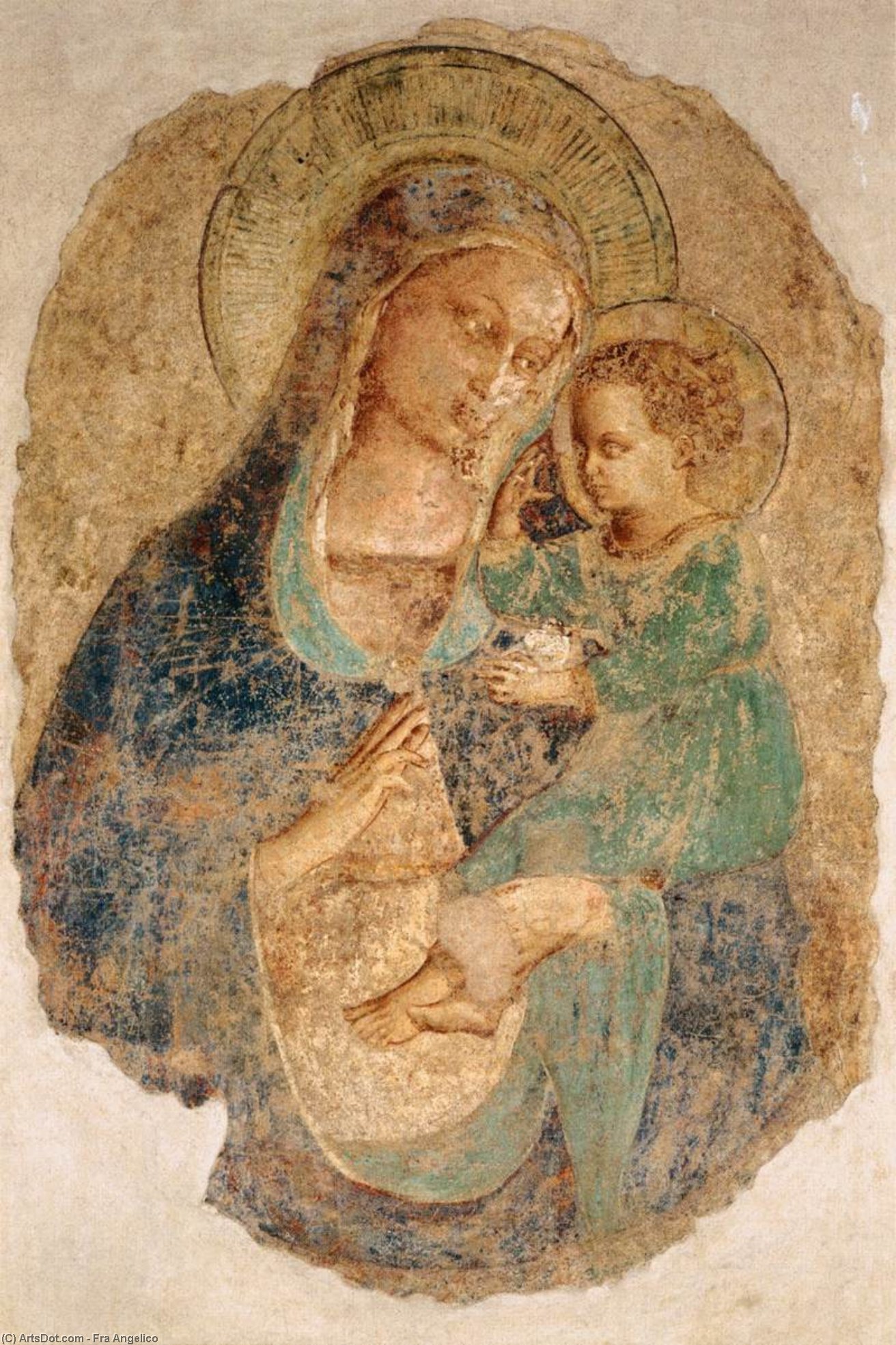
In the quiet corridors of the Uffizi Galleries, there exists a window into the celestial realm, a masterpiece that transcends the boundaries of mere paint and wood. Fra Angelico’s Madonna and Child Enthroned with Angels is not simply a religious icon; it is a profound meditation on the intersection of humanity and the divine. Created in 1435, this panel painting captures a moment of eternal tenderness, where the Virgin Mary cradles the infant Jesus with a grace that feels both intimately human and cosmically significant. To gaze upon this work is to enter a space of profound stillness, where the weight of the world falls away, replaced by the luminous presence of divine compassion.
The composition is a masterclass in Renaissance equilibrium. The Virgin sits enthroned, her figure draped in a blue that speaks of both heaven and humility, providing a serene anchor for the viewer's eye. As she holds the Christ child, the warmth of their bond radiates outward, inviting anyone who stands before it to reflect on the universal themes of motherhood and protection. Flanking this central duo, the presence of angels adds a layer of celestial orchestration, suggesting that this earthly embrace is mirrored in the heavens. For the discerning collector or interior designer, this piece offers more than decoration; it provides a focal point of spiritual tranquility, capable of transforming a room into a sanctuary of peace.
The Alchemy of Devotion: Technique and Light
What makes this work so enduringly vibrant is the revolutionary technique employed by the artist, then known as Fra Giovanni Angelico. Rooted in the meticulous traditions of manuscript illumination, his approach to the tempera technique—mixing pigments with egg yolk—allowed for a level of precision and luminosity that remains breathtaking centuries later. Every brushstroke was an act of prayer, a deliberate movement intended to capture the light of God. This method produces a surface where colors do not merely sit upon the panel but seem to glow from within, creating a soft, pearlescent quality that mimics the very essence of a divine vision.
Angelico’s style represents a beautiful synthesis of Neoplatonic philosophy and Christian devotion. While his contemporaries in Florence were beginning to experiment with the heavy shadows of realism, Angelico opted for an understated elegance characterized by clarity and light. He eschewed unnecessary opulence in favor of a purity of form that directs the viewer's soul toward contemplation rather than distraction. This delicate balance of detail and simplicity makes the painting an ideal inspiration for those seeking to incorporate classical sophistication into modern spaces, offering a timeless aesthetic that complements both traditional and contemporary settings.
A Legacy of Faith and Florentine Splendor
To understand the soul of this painting, one must look to the vibrant atmosphere of 15th-century Florence. Emerging during the zenith of the Medici era, the work was born from a period of unparalleled intellectual and artistic flourishing. The commission itself, intended for the Church of San Michele Arcangelo in Pontassieve, reflects the deep-seated desire of the era to honor the sacred through the highest forms of human creativity. As a monk of the Dominican Order, Angelico’s life was one of service, and this painting serves as his most eloquent sermon—a visual testament to the Immaculate Conception and the enduring power of faith.
For those looking to bring a piece of this historical majesty into their own collection, a high-quality reproduction of this masterpiece offers a rare opportunity. It is an invitation to surround oneself with the Renaissance spirit—a reminder of a time when art was the bridge between the earthly and the eternal. Whether placed in a private study, a grand living hall, or a curated gallery space, the Madonna and Child continues to perform its original miracle: it captures the heart, settles the mind, and inspires a sense of wonder that is as relevant today as it was in 1435.