This JSON response fulfills your request for a concise meta description emphasizing the artwork’s significance and stylistic elements.
Фрањо де Зубаран био је шпански барокни мајстор који се одликује драматичним тенбризмом и религиозним уметностима. Погледајте слике монахиња, свештеника и тислифа – највећи каравђаго из Шпаније!
A Masterpiece of Baroque Drama: Exploring Zurbarán’s “The Appearance of Saint Peter to Saint Peter Nolasco”
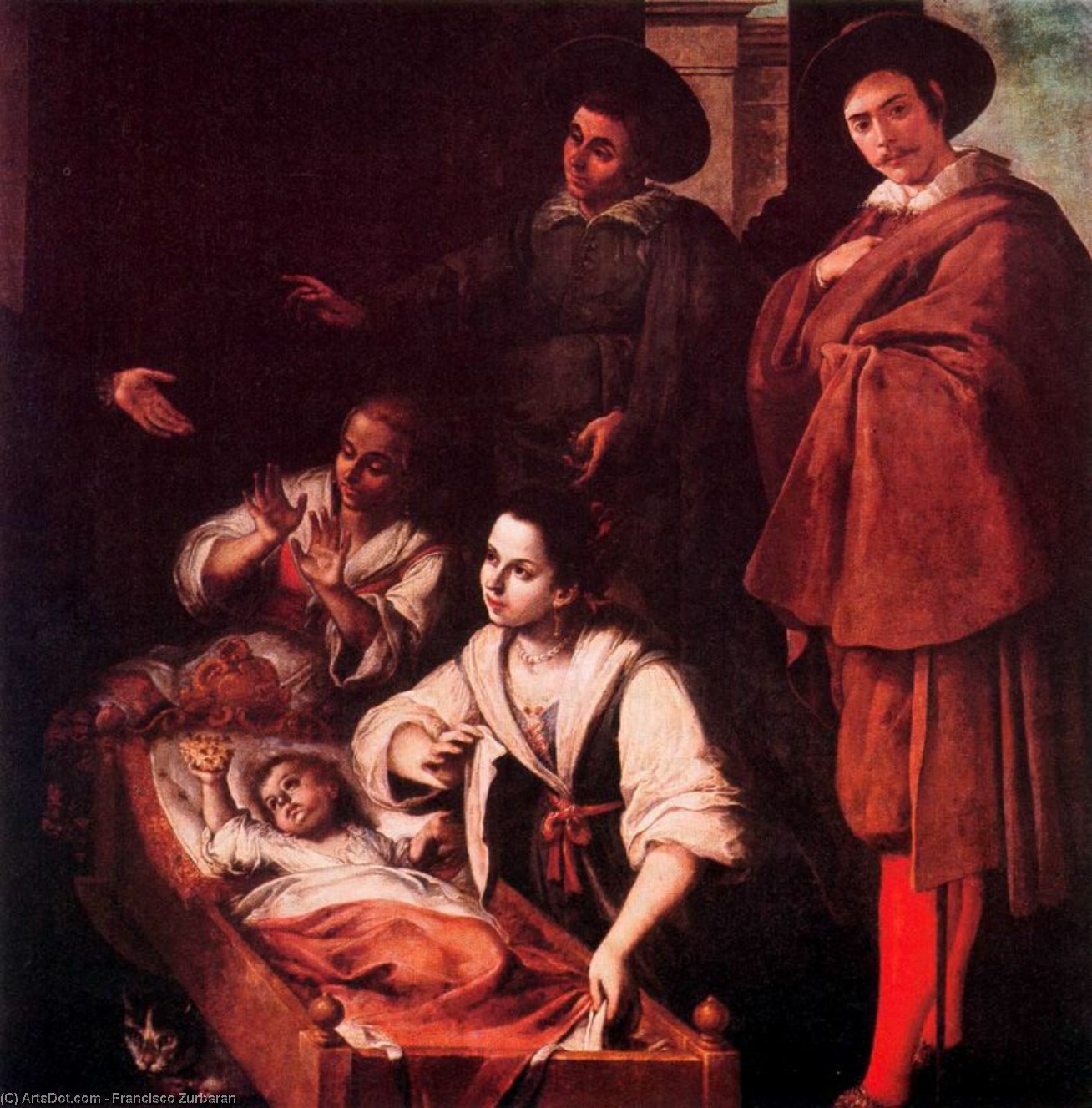
Francisco de Zurbarán's "Nacimiento de San Pedro Nolasco," or "The Appearance of Saint Peter to Saint Peter Nolasco," stands as a cornerstone of Spanish Baroque art, embodying the movement’s profound preoccupation with religious fervor and masterful manipulation of light and shadow. Painted circa 1628-1630, this monumental oil on canvas resides within the Museo Nacional del Prado in Madrid, offering viewers an unparalleled glimpse into the artistic sensibilities of its era.
Composition and Technique: The Power of Chiaroscuro
Zurbarán’s genius lies primarily in his masterful application of chiaroscuro—a technique that elevates a simple depiction to breathtaking grandeur. Unlike earlier Renaissance styles prioritizing naturalistic representation, Baroque artists deliberately employed dramatic contrasts between light and dark to sculpt form and imbue the scene with palpable emotion. The artist meticulously renders the figures bathed in an ethereal glow emanating from a single source – likely positioned above the cradle – while enveloping the rest of the composition in deep shadows. This technique isn’t merely stylistic; it serves as a conduit for conveying spiritual contemplation, highlighting the sanctity of the moment and emphasizing the divine presence perceived by Saint Peter Nolasco and his companions. The artist's painstaking attention to detail—evident in the textures of the drapery and the faces of the figures—further reinforces this impression of realism infused with symbolic significance.
Historical Context: Faith Under Siege
The Baroque period witnessed a fervent Catholic revival across Europe, fueled by anxieties surrounding Protestant Reformation. Spain, under Philip IV., faced significant challenges to its dominance, and art served as a powerful tool for reaffirming religious piety and bolstering royal authority. Zurbarán’s work reflects this climate of spiritual urgency, portraying Saint Peter Nolasco—founder of the Order of Mercy—receiving divine inspiration from Saint Peter himself. This depiction aligns perfectly with the broader artistic trend of representing saints in contemplative poses, emphasizing their devotion and highlighting the importance of prayer and asceticism – values central to Catholic dogma at the time. The Museo San Carlo ai Catinari in Rome houses a remarkable collection of Baroque art, including works by Niccolò Berrettoni, offering visitors an opportunity to appreciate similar artistic expressions rooted in faith and tradition.
Symbolism: Light as Divine Revelation
Beyond its technical brilliance, “Nacimiento de San Pedro Nolasco” is laden with symbolic meaning. The radiant light symbolizes divine grace and illumination—the very essence of spiritual enlightenment. It illuminates Saint Peter’s face, conveying his unwavering faith and highlighting the transformative power of prayer. Similarly, the shadows represent humility and darkness—acknowledging the human limitations confronting those striving for holiness. The inclusion of a cat nestled near the cradle adds another layer of symbolism, often interpreted as representing purity and vigilance – qualities considered essential for safeguarding spiritual virtue.
A Legacy Enduring Through Reproduction
Today, high-quality reproductions of Zurbarán’s masterpiece are available on ArtsDot.com and other platforms, allowing art enthusiasts worldwide to experience the profound beauty and emotional depth of this iconic artwork. As a testament to Zurbarán's enduring influence, alongside artists like Peter Paul Rubens and Diego Velázquez, “Nacimiento de San Pedro Nolasco” continues to inspire awe and contemplation—a timeless reminder of the power of art to convey spiritual truths and elevate the human spirit.