Francisco Goya, španski umetnik poznat po portretima, mračnim satiram i ciklusima 'Ratni jadi'. Pionir romantizma, njegov rad je ključan za razumevanje istorije umetnosti.
Rijksmuseum
(Amsterdam, Netherlands)
Istražite holandske umetnosti i istoriju u Rijksmuseumu Amsterdam! Oduševite se remek-delima Rendvrika, Vermeer i Van Goga u ikoničnoj zgradi – putovanje kroz 800 godina kulture.
A Portrait of Despair: Examining Goya’s “Accuse the Time”
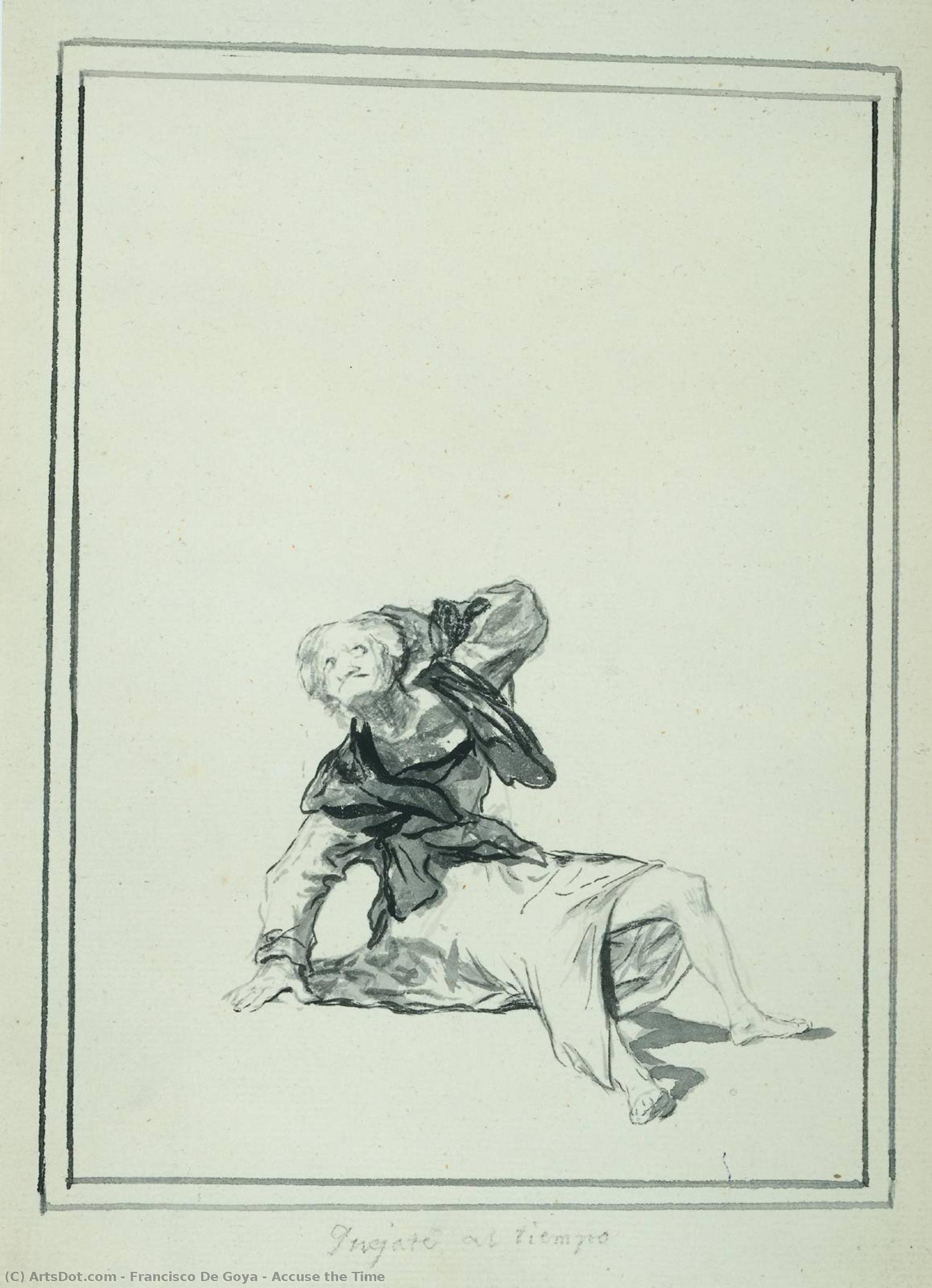
The drawing, titled "Accuse the Time," stands as a haunting testament to Francisco José de Goya y Lucientes' unparalleled ability to capture the psychological complexities of his era. Executed in 1812 during Spain’s tumultuous Napoleonic occupation—a period marked by political upheaval and societal anxieties—the artwork transcends mere visual representation; it delves into the profound emotional landscape of human experience. Its stark monochrome palette amplifies the dramatic tension inherent in the composition, focusing intently on a solitary figure grappling with an overwhelming sense of disillusionment.
- Subject Matter: The central subject is a man dressed in formal attire—a suit and tie—whose hands are raised to his face in a gesture of anguish and defiance. This posture immediately conveys vulnerability juxtaposed with resistance, encapsulating the pervasive feeling of helplessness felt by many Spaniards during the Napoleonic Wars.
- Style: Goya’s style is characterized by its expressive realism—a departure from idealized depictions favored by earlier Baroque and Neoclassical artists. He eschews polished surfaces and strives for an unflinching portrayal of human emotion, prioritizing psychological depth over aesthetic beauty.
The artist's meticulous technique speaks volumes about his dedication to capturing the nuances of human expression. Goya employed charcoal and ink on paper, utilizing hatching and shading to create a textured surface that enhances the sense of drama and conveys the palpable weight of despair. The subtle gradations of tone contribute significantly to the overall emotional impact, guiding the viewer’s gaze and intensifying the feeling of isolation depicted in the scene.
Historical Context: Spain Under Napoleon's Shadow
“Accuse the Time” is inextricably linked to the broader historical context of Napoleonic Spain. The invasion by Napoleon Bonaparte shattered the Bourbon monarchy, plunging the nation into political instability and fueling widespread discontent. Goya witnessed firsthand the horrors inflicted upon his country—the brutality of repression, the suffering of ordinary citizens—and channeled these experiences into his art. This drawing isn’t simply a portrait; it's a visceral reaction to the pervasive atmosphere of fear and oppression.
- Symbolism: The raised hands symbolize defiance against an unseen force, representing not only physical struggle but also internal turmoil—the battle for sanity amidst overwhelming circumstances. The man’s anguished expression embodies the collective trauma experienced by Spain during this period of crisis.
Emotional Resonance and Artistic Legacy
Ultimately, “Accuse the Time” resonates deeply with viewers due to its unflinching honesty and profound psychological insight. Goya's masterful rendering of emotion transcends time, reminding us that art can serve as a conduit for confronting uncomfortable truths and grappling with existential anxieties. It stands as an enduring symbol of human resilience in the face of adversity—a powerful reminder that even amidst darkness, there remains a flicker of defiance and a yearning for justice. Its influence extends far beyond its immediate historical context, establishing Goya as one of the most important artists of his generation and securing his place among the titans of Romantic art.