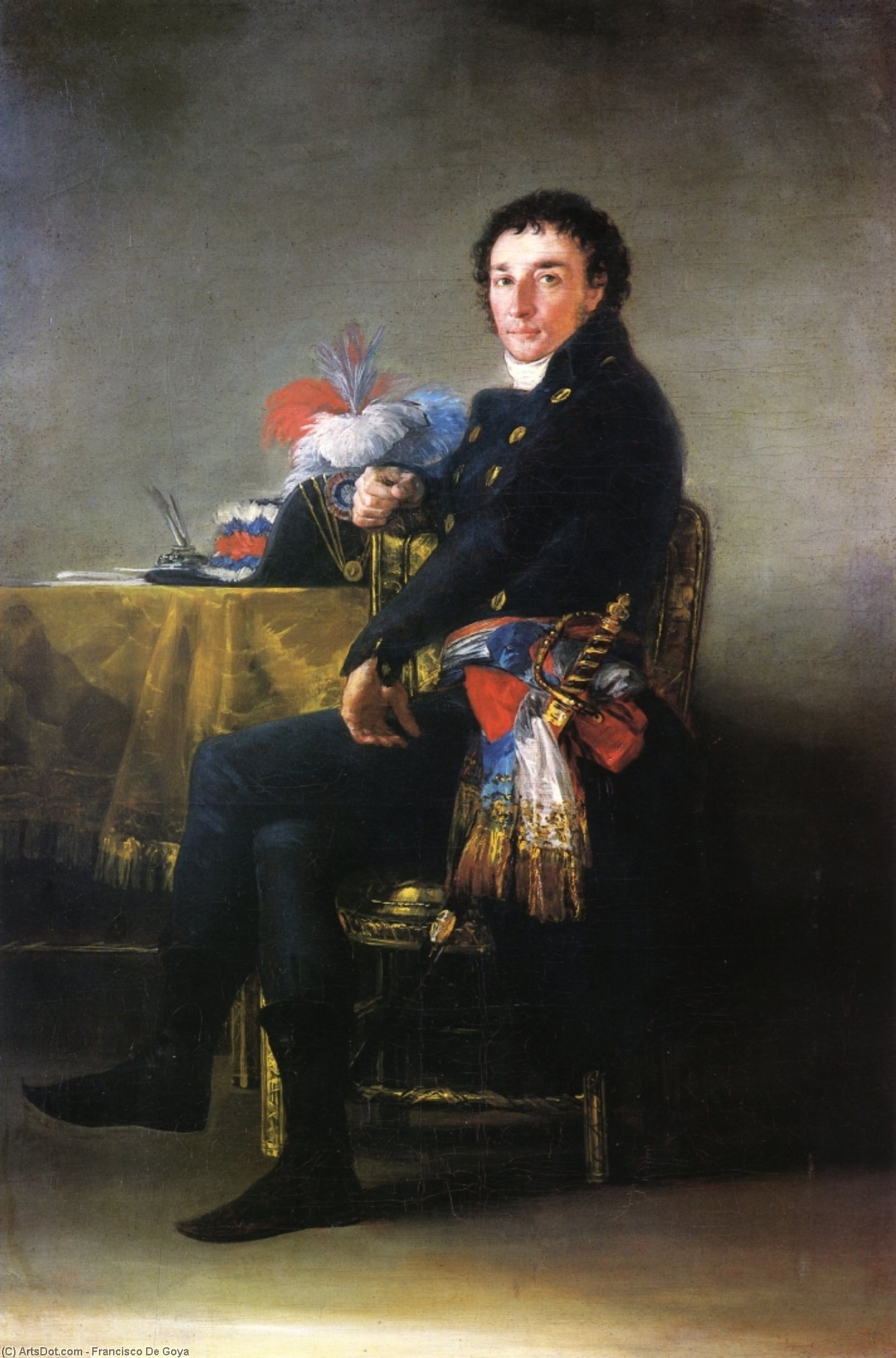
Discover Francisco Goya's 'Ferdinand Guillenmardet,' a captivating 1798 portrait from the Louvre, showcasing his mastery of detail and aristocratic representation.
Francisco Goya, španski umetnik poznat po portretima, mračnim satiram i ciklusima 'Ratni jadi'. Pionir romantizma, njegov rad je ključan za razumevanje istorije umetnosti.
Louvre
(Paris, France)
Otkrijte bezvremenske remek-dela Louvra! Putujte kroz istoriju umetnosti od drevnog Egipta do renesansnih ikona – Mona Liza, Venere Miloska i još mnogo toga. Pariško kulturno blago čeka na vas!
A) Kraljevskom dvorcem isključivo za Luja XIV.
B
Prema datom tekstu, šta je bila prvobitna svrha palate Louvre?
Ferdinand Guillenmardet: A Portrait Steeped in Symbolism and Romantic Drama
Francisco De Goya’s “Ferdinand Guillenmardet” transcends mere portraiture; it's a meticulously crafted tableau that encapsulates the anxieties of the Enlightenment and embodies Goya’s signature blend of psychological insight and dramatic flair. Executed in 1798, this oil on canvas masterpiece resides within the Louvre Museum’s collection, offering viewers an unparalleled glimpse into the artistic sensibilities of Spain during its golden age. Measuring 185 x 125 cm, the painting immediately commands attention with its rich palette and masterful composition.
### The Subject: A Figure Embodied in Confidence and Intellectual Pursuit
The central figure is Ferdinand Guillenmardet himself – a gentleman dressed impeccably in a deep blue jacket adorned with opulent gold trim. His posture exudes composure, seated firmly upon a chair that anchors him to the scene. At his side rests a sword, symbolizing authority and protection—a subtle nod to the social hierarchies of the time. However, Guillenmardet’s gaze is directed upwards, holding a hat in one hand and a book in the other; these objects are not merely props but deliberate symbols representing erudition and contemplation – qualities highly valued within Goya's intellectual circles. The two chairs flanking him further emphasize his status and reinforce the formality of the portrait.
### Artistic Elements: Detail and Symbolism Converge
Goya’s meticulous technique is evident in every brushstroke, capturing the textures of fabric and skin with remarkable accuracy. Scattered throughout the canvas are carefully positioned objects designed to enrich the narrative and convey deeper meanings. A vase perched atop the left corner introduces an element of elegance and refinement, while a cup situated near Guillenmardet's feet symbolizes hospitality and conviviality. Perhaps most striking are the two birds—one soaring above Guillenmardet’s head and another nestled below him on the right – representing aspiration and earthly grounding respectively. These avian figures contribute to the painting’s symbolic depth, hinting at themes of nobility and spiritual contemplation.
### Historical Context: Goya's Romantic Vision Amidst Enlightenment Ideals
“Ferdinand Guillenmardet” emerges from a pivotal moment in European history—the waning years of the Enlightenment. While Goya adhered to classical artistic conventions regarding form and perspective, his work nevertheless anticipates the emotional turbulence and psychological complexity that would characterize Romantic art. The painting reflects the anxieties surrounding social change and the questioning of established norms prevalent during Guillenmardet’s era. Goya's portrayal captures not just a likeness but also an inner state—a man striving for intellectual fulfillment amidst societal pressures.
### Comparative Artistic Voices: Delacroix, Demay & Beyond
To appreciate “Ferdinand Guillenmardet” fully, consider comparing it to works by contemporaries like Eugène Delacroix (“Liberty Leading the People”), which championed dramatic narrative and emotional intensity, or Jean-François Demay ("The Hunt"), showcasing Goya’s mastery of oil on canvas. These artists shared a fascination with capturing human experience—albeit through distinct stylistic approaches—demonstrating the breadth of artistic innovation during the late 18th century.