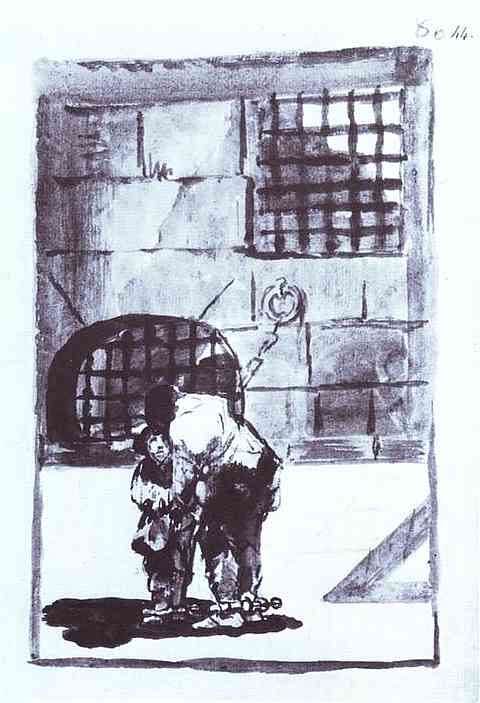
This drawing, part of Goya's exploration of human suffering during the Romantic era, showcases masterful hatching and cross-hatching to convey profound emotion. Inspired by 'Images of Spain,' it portrays three men imprisoned in chains, reflecting themes of oppression and introspection. Discover more about Goya’s artistic legacy at WikiArt.
Introduction to Francisco De Goya and Romanticism
Francisco José de Goya y Lucientes, a Spanish romanticist, is widely regarded as one of the most influential artists in history. Born in 1746, Goya's career spanned painting and printmaking, with his works bridging the gap between the Old Masters and modernity. Romanticism, an art movement that emerged during the late 18th and early 19th centuries, emphasized emotion, individualism, and the awe of nature. Goya's The Prisoners in Chains is a prime example of this movement, showcasing his mastery of oil painting techniques while conveying deep human emotions.
The Prisoners in Chains: A Masterpiece of Romanticism
The Prisoners in Chains, painted by Goya during the 1810s, is a powerful representation of the human condition. The painting portrays three men bound together in chains, their faces reflecting despair and hopelessness. The dimly lit background adds to the somber atmosphere, while the rough texture of the canvas emphasizes the prisoners' suffering. Goya's use of color is also noteworthy. The muted browns and grays contrast sharply with the occasional splash of red, drawing attention to the prisoners' wounds and symbolizing their pain. This masterful combination of technique and emotion makes The Prisoners in Chains a quintessential example of Romanticism.
The Burial of the Sardine: A Companion Piece
Another notable work by Goya,
The Burial of the Sardine, shares similar themes with The Prisoners in Chains. This painting depicts a carnival procession in Madrid, where revelers dance their way to the banks of the Manzanares River to bury a ceremonial sardine. Despite its seemingly lighter subject matter, The Burial of the Sardine also explores human emotions and the passage of time, complementing The Prisoners in Chains as part of Goya's larger body of work.
Discover Francisco De Goya's Masterpieces at ArtsDot.com
ArtsDot.com offers high-quality reproductions of
The Prisoners in Chains and other masterpieces by Francisco De Goya, allowing art enthusiasts to appreciate these works in their own homes. By showcasing the beauty and emotion of Romanticism, our handmade oil paintings serve as a testament to Goya's enduring influence on the world of art.
Explore our collection today and experience the power of Francisco De Goya's masterpieces: Painting by 'Francisco De Goya' | Francisco De Goya:The Prisoners in Chains (Romanticism,Oil,)