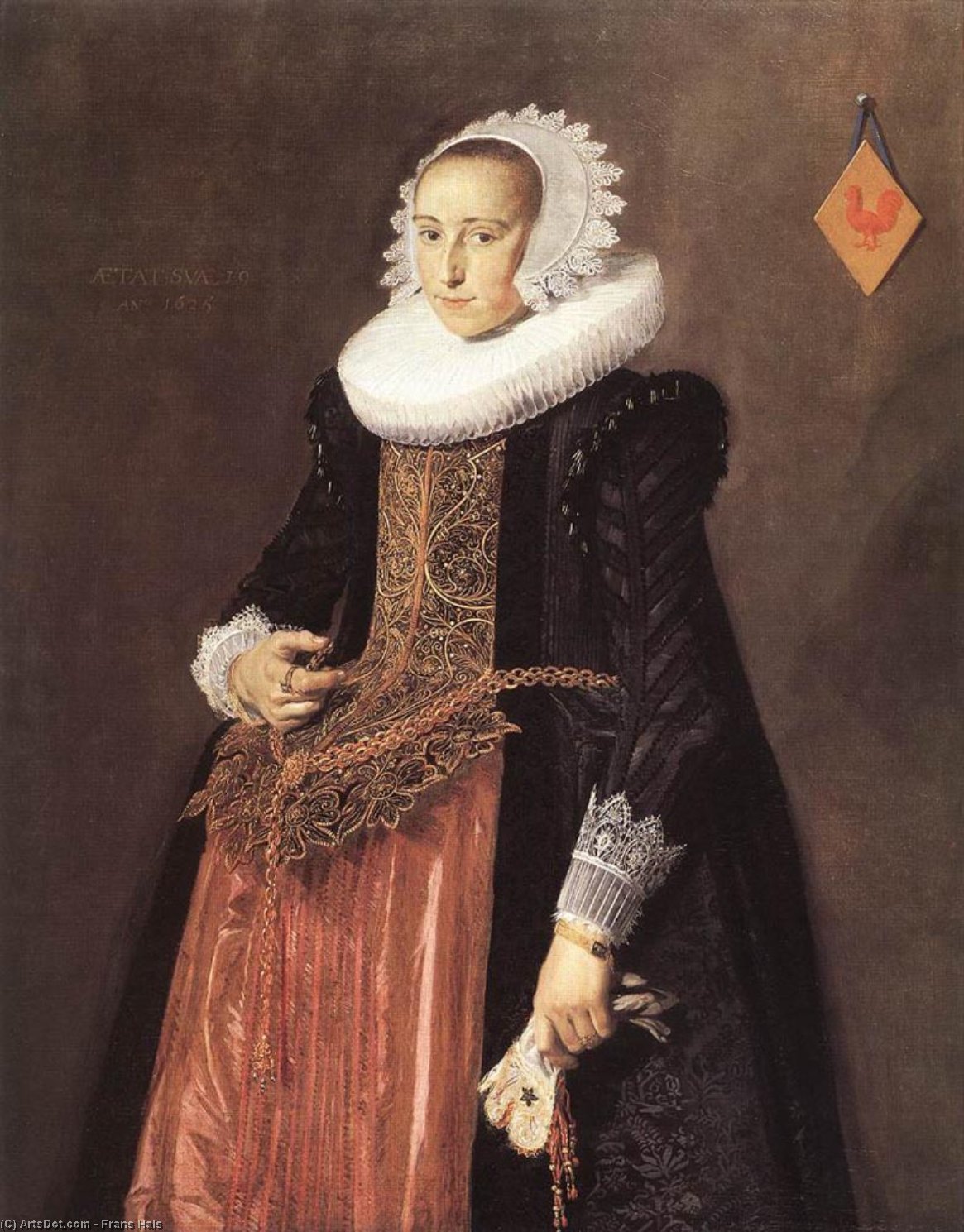
Admire 'Anetta Hanemans' by Frans Hals I – a stunning Dutch Golden Age portrait showcasing masterful chiaroscuro & intricate detail. Explore 1625 beauty!
Istražite rad Frans Halsa I: majstora holandskog zlatnog veka, poznatog po portretima i žanr scenama! Otkrijte njegov slobodan stil četkicom koji oživljava karakter i duh svakog dela. #FransHals #HolandskaUmetnost
Мауритшhuis
(Хаага, Ниједан превод)
Откријте шедевре холандског златног доба у Музеју Мауритсхуис! Истражите *Девојку са луком Еархинг* и драматизам Рембранта у овом интимном палатом уметности. Јединствене искуство које вам чека!
Ово је музеј који прелази од обичних представљања слика – то је импресивно искуство, пажљиво прилагођено путу у душу холандског златног доба. Музеј више него што чини да чува шедевреве радова; он шири прич
Anetta Hanemans: A Window Into Dutch Golden Age Dignity
The portrait of Anetta Hanemans by Frans Hals I stands as a testament to the artistic brilliance of the Dutch Golden Age, capturing not merely likeness but an essence of character and social standing. Executed in 1625, this oil painting exemplifies Hals’s signature style—a revolutionary departure from meticulous detail favored by many contemporaries—characterized instead by loose brushstrokes that imbue the canvas with palpable immediacy and emotion.
Style & Technique: Embracing Spontaneity
Hals's approach defied convention, prioritizing observation and capturing fleeting expressions over laborious rendering. Unlike artists obsessed with achieving photographic accuracy, Hals employed a technique known as “impasto,” applying thick layers of paint to create textured surfaces that shimmer with light and shadow. This method wasn’t merely stylistic; it was integral to conveying the sitter's personality—the subtle nuances of emotion etched onto Anetta Hanemans’ face are rendered with breathtaking realism thanks to Hals’s masterful manipulation of pigment and brushwork. The artist skillfully utilized chiaroscuro, dramatically contrasting areas of light and dark, to sculpt the figure and heighten its visual impact.
Historical Context: Portraiture as Status Symbol
The portrait emerged during a period of unprecedented artistic flourishing in Holland—the Dutch Golden Age (approximately 1600-1700)—fueled by economic prosperity and intellectual curiosity. Portraits served as crucial instruments for demonstrating wealth, lineage, and social prestige. The Hanemans family’s opulent attire – a black bodice adorned with intricate gold embroidery, a white ruff collar, and a scarlet skirt—underscores this symbolic significance. Hals's depiction aligns perfectly with the prevailing artistic sensibilities of the era, reflecting an idealization of virtue and nobility.
Symbolism: Beyond Appearance
Beyond its formal composition and luxurious embellishments, Anetta Hanemans’ portrait carries deeper layers of symbolism. Notably, the rooster hanging prominently on the wall—a motif frequently found in Dutch portraits of this period—represents family heritage and lineage. It speaks to a broader cultural preoccupation with honor and tradition, reinforcing the sitter's position within the social hierarchy. The artist’s careful attention to detail extends beyond mere representation; he strives to convey an inner life, capturing Anetta Hanemans’ serene gaze and dignified posture as emblems of grace and composure.
Emotional Impact: Timeless Elegance
Ultimately, Frans Hals I’s Anetta Hanemans transcends the boundaries of time, resonating with viewers centuries later. The painting's luminous palette, combined with Hals’s expressive brushwork, evokes a sense of quiet contemplation and conveys an enduring appreciation for beauty and refinement. It remains a captivating example of Baroque portraiture—a genre that prioritized psychological insight alongside visual splendor—solidifying Hals’s legacy as one of the most influential painters of his era. This artwork embodies the spirit of Dutch Golden Age artistry: dignified elegance, timeless grace, and an unwavering commitment to capturing the human spirit at its finest.