A Portrait Steeped in Resilience: Frida Kahlo’s Reverie
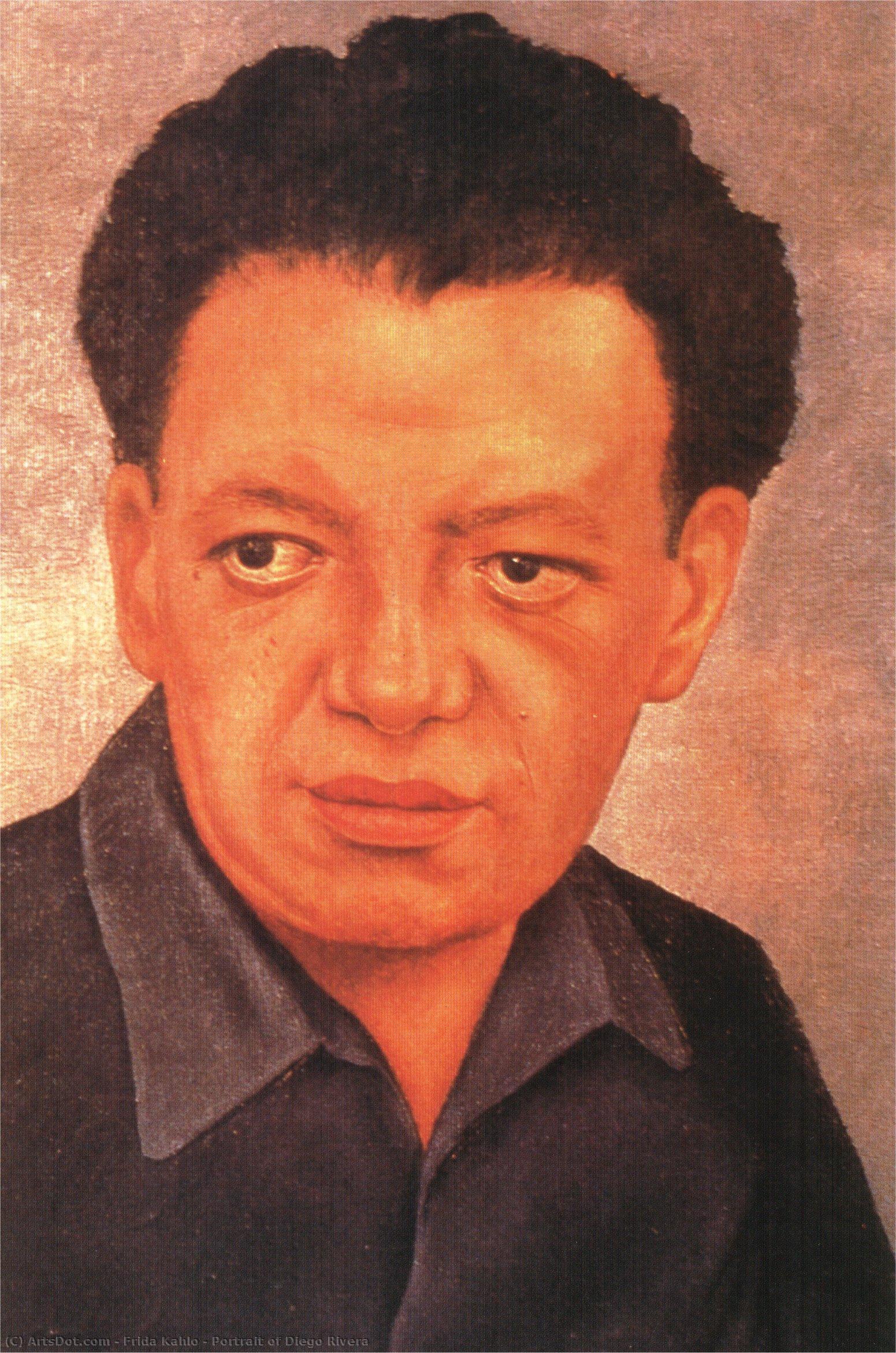
Frida Kahlo's "Portrait of Diego Rivera" transcends mere representation; it embodies a profound exploration of identity, vulnerability, and the complexities of human connection. Painted in 1937 during her tumultuous marriage to Diego Rivera—a celebrated muralist and icon of Mexican nationalism—the artwork captures a moment frozen in time, revealing layers of emotion beneath its deceptively serene surface. The painting’s stark simplicity is deceptive – every brushstroke speaks volumes about Kahlo's meticulous artistic vision.
- Subject Matter: The portrait depicts Diego Rivera, Kahlo’s husband and fellow artist, gazing directly at the viewer with an unwavering gaze. This deliberate confrontation establishes a dynamic between subject and observer, inviting contemplation on themes of intimacy and unspoken communication.
- Style & Technique: Kahlo's signature style—characterized by surrealist influences blended with Mexican folk art traditions—is evident in the painting’s flattened perspective and symbolic use of color. She employed a technique known as *alla prima*, applying paint directly onto the canvas without preliminary sketches, resulting in an immediacy and textural richness that conveys palpable emotion.
Historical Context: Navigating Love and Legacy Amidst Political Turmoil
The painting’s creation coincided with a period of significant political upheaval in Mexico. Rivera spearheaded the Mexican Muralist Revolution, aiming to depict the nation's history and culture through monumental artworks designed to inspire national pride. Kahlo herself was deeply involved in leftist politics, advocating for social justice and indigenous rights. This context informs our understanding of “Portrait of Diego Rivera,” highlighting not only the personal relationship between Kahlo and Rivera but also their shared commitment to artistic expression as a tool for societal transformation. The painting serves as a visual testament to this era’s spirit of defiance and aspiration.
Symbolism: Layers of Meaning Beyond Appearances
Kahlo skillfully utilizes symbolism to imbue the portrait with deeper significance. Rivera's gaze is considered particularly potent, representing both vulnerability and unwavering determination—mirroring Kahlo’s own experiences of physical pain and emotional hardship. The muted color palette contributes to an atmosphere of introspection, emphasizing the psychological depth of the scene. Furthermore, subtle details – such as the slight tilt of Rivera’s head – invite interpretation and encourage viewers to consider unspoken emotions.
Emotional Impact: A Window into Kahlo's Inner World
Ultimately, “Portrait of Diego Rivera” resonates powerfully with audiences due to its unflinching portrayal of human emotion. It captures the quiet intensity of a gaze—a silent exchange between two individuals grappling with love, loss, and the burdens of shared experience. The painting’s enduring appeal lies in its ability to evoke empathy and provoke reflection on themes of resilience, vulnerability, and the transformative power of art. It remains a poignant reminder that Kahlo's artistic genius stemmed from her willingness to confront her own pain and translate it into universal symbols of human emotion.