Gerard David (cca 1460-1523), flamanski renesansni majstor poznat po živopisnim bojama i detaljnim religijskim scenama. Istražite njegov uticaj na rano nizozemsko slikarstvo, uključujući dela poput "Venčanja svete Katarine" i inovativne pejzaže.
Otkrijte evropsku umetnost od 13. do 19. veka u Nacionalnoj galeriji Londona! Saznajte više o remek-delima Van Goga, Rembranta i drugih – ulaz je besplatan!
Ujedinjeno Kraljevstvo
London
Nacionalna Galerija
Rembrandtova 'Devica sa staklenikom'
Preko 2.300 slika
Muzej umetnosti
1824
Da bi se prikazala savremena britanska umetnost.
2
Koji je osnovni cilj Nacionalne Galerije?
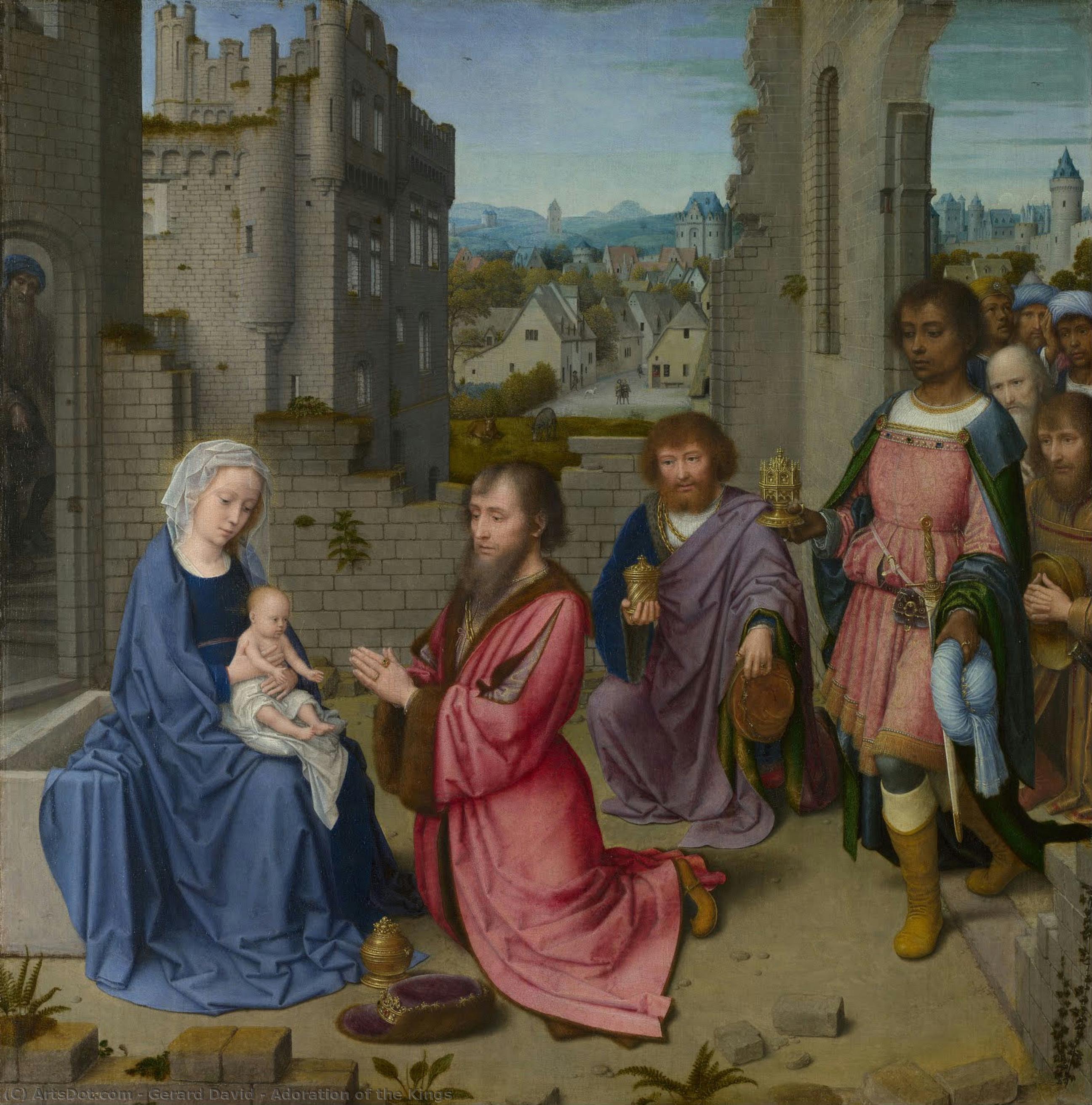
Adoration of the Kings by Gerard David: A Masterpiece of Early Netherlandish Painting
- Artist: Gerard David
- Birth Year: 1450
- Death Year: 1523
- Date: 1515
- Size: 60 x 59 cm
Subject and Composition
Gerard David's "Adoration of the Kings" depicts a pivotal moment in Christian tradition – the visit of the Three Wise Men (Magi) to the infant Jesus. The scene is meticulously rendered, showcasing David’s skill in capturing both religious narrative and realistic detail. Christ Child sits serenely on his mother Mary’s lap, while Caspar, Melchior, and Balthasar kneel before them, presenting gifts of gold, frankincense, and myrrh. Saint Joseph stands nearby, observing the scene with a gentle expression. The composition is carefully balanced, drawing the viewer's eye to the central figures while incorporating architectural elements – a grand building in ruins – that add depth and context.
Style and Technique
"Adoration of the Kings" exemplifies the hallmarks of Early Netherlandish painting. David’s style is characterized by its vibrant colors, meticulous detail, and realistic portrayal of human figures. He employed oil paint with remarkable precision, layering thin glazes to create luminous effects and subtle gradations of tone. The use of light is particularly noteworthy; it illuminates the faces of the Magi and Mary, highlighting their expressions of reverence and tenderness. David’s attention to texture – from the rich fabrics of the robes to the rough stone of the building – further enhances the painting's realism.
Historical Context and Symbolism
Painted around 1515, this work reflects a period of artistic flourishing in Antwerp, where David had established a successful workshop. The painting’s setting within a ruined architectural structure is thought to symbolize the decline of earthly power and the enduring nature of faith. Each gift presented by the Magi carries symbolic meaning: gold represents kingship, frankincense symbolizes divinity, and myrrh foreshadows Christ's sacrifice. The inclusion of onlookers in medieval clothing grounds the scene in its historical context, while also suggesting the universality of the event.
Emotional Impact and Legacy
“Adoration of the Kings” evokes a sense of reverence, peace, and wonder. David’s masterful rendering of human emotion – from Mary's gentle gaze to the Magi's expressions of devotion – creates a deeply moving experience for the viewer. The painting’s enduring appeal lies in its ability to convey both the spiritual significance of the Nativity story and the beauty of human connection. As a key work by Gerard David, it stands as a testament to the artistic achievements of the Early Netherlandish masters and continues to inspire awe and admiration centuries later.