A Divine Coronation: Giotto’s Baroncelli Polyptych
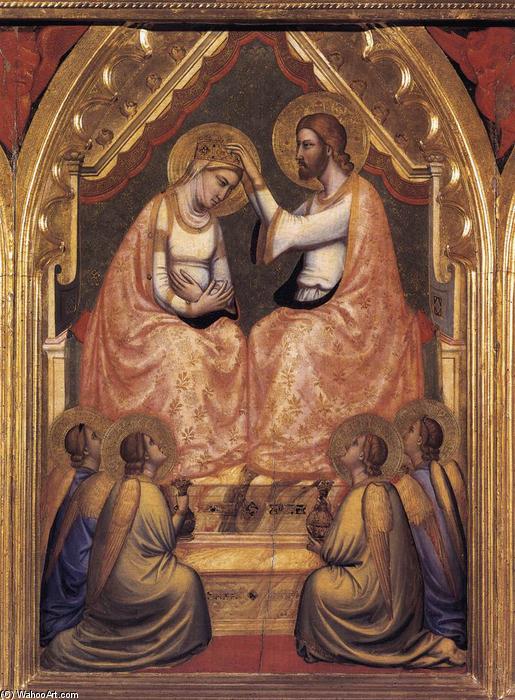
Giotto di Bondone's *Baroncelli Polyptych: Coronation of the Virgin* (1334) is not merely a painting; it’s a pivotal moment in art history, marking a decisive shift from the stylized conventions of Byzantine art towards the burgeoning naturalism of the Renaissance. Executed in tempera on wood panel for the Baroncelli Chapel within Florence's Basilica di Santa Croce, this polyptych—a multi-paneled altarpiece—radiates with spiritual power and innovative artistic expression. The central scene depicts the coronation of the Virgin Mary by Christ, a subject rich in theological significance and visual splendor. Mary, seated with humble grace, cradles the infant Jesus while receiving her crown; Christ, equally regal, bestows upon her the symbol of queenship. Surrounding them is a celestial host of angels and observing saints, creating a layered composition that draws the viewer into this sacred event.
Breaking from Tradition: Giotto’s Revolutionary Style
What sets Giotto apart is his groundbreaking approach to representation. Unlike the flat, gilded figures prevalent in Byzantine iconography, Giotto imbues his characters with *volume and emotional depth*. Observe how he uses subtle modeling of light and shadow to create a sense of three-dimensionality – a radical departure for its time. The drapery isn’t merely decorative; it flows naturally around the forms, revealing the bodies beneath. Furthermore, Giotto's figures exhibit genuine emotion: Mary’s quiet reverence, Christ’s solemn authority, and the joyous adoration of the angels all contribute to a deeply moving experience. This focus on humanizing religious subjects was revolutionary, paving the way for the Renaissance emphasis on realism and individual expression. The ornate gold background, while retaining some Byzantine influence, is now used to *enhance* rather than define the figures, creating a richer visual hierarchy.
Symbolism & Spiritual Resonance
Every element within the *Baroncelli Polyptych* carries symbolic weight. The crowns themselves represent divine authority and victory over sin. The positioning of Christ and Mary emphasizes their interconnected roles in salvation history. The inclusion of specific saints within the polyptych (often determined by the patron family’s devotion) further personalizes the work, connecting it to the lived faith of the Baroncelli family. The vibrant colors – particularly the rich blues associated with Mary and the regal purples worn by Christ – are not merely aesthetic choices but carry theological meaning. The overall composition, while formally structured, avoids rigid symmetry, creating a sense of dynamic movement and spiritual energy. It’s a scene designed to inspire contemplation and devotion, inviting viewers to participate in this celestial celebration.
A Lasting Legacy
The *Baroncelli Polyptych* stands as a testament to Giotto's genius and his profound influence on Western art. His innovations—the emphasis on naturalism, emotional expression, and spatial depth—became cornerstones of Renaissance painting. Today, the polyptych continues to captivate audiences with its beauty and spiritual power. For those seeking to bring a touch of this artistic mastery into their own spaces, high-quality reproductions allow art lovers to experience the enduring legacy of Giotto di Bondone.
- Artist: Giotto Di Bondone
- Painting Title: Baroncelli Polyptych: Coronation of the Virgin
- Museum/Location: Baroncelli Chapel, Florence, Italy
- Medium: Tempera on wood panel
- Date: 1334