Firenca
Italija
Đžoto di Bondone
Đžoto
Otkrijte Đžota di Bondona (1267-1337), revolucionarnog italijanskog slikara! Istražite njegove freske u stilu proto-renesanse, naturalizam i emotivnu dubinu u delima poput Scrovegnijeve kapel. Ključna figura u istoriji umetnosti.
Proto-renesansa
Masacio
Čimabue
oko 1267. godine
1337. godine
Đžoto di Bondone
Italijan
Scrovegnijeva kapela
Firenca,
Istražite Bardijevu kapelu u Firenci – renesansni remek-delo Đota! Otkrijte revolucionarne freske koje prikazuju život Sv. Franje, odražavajući humanističke ideale i umetničku inovaciju.
Giotto Di Bondone: A Window into Early Renaissance Spirituality
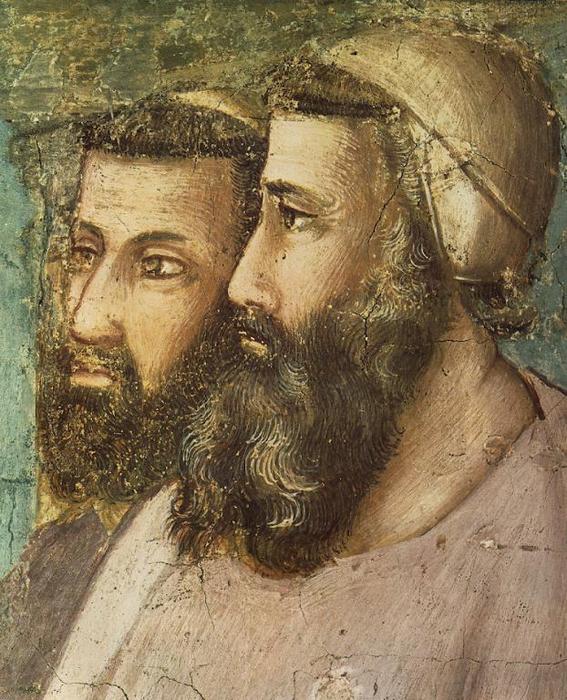
Giotto di Bondone stands as a monumental figure in art history, recognized not merely for his prolific output but for fundamentally reshaping artistic perception during the transition from Byzantine tradition to the burgeoning Renaissance. His frescoes adorning the Bardi Chapel in Florence represent more than just decorative embellishment; they embody a profound reimagining of visual storytelling and human representation—a legacy that continues to inspire artists and scholars alike. This particular detail, “Scenes from the Life of Saint Francis: 5. Confirmation of the Rule,” encapsulates Giotto’s revolutionary approach and offers invaluable insight into his artistic vision.
The Fresco's Narrative Heart
Painted in 1325, this fragment from the larger cycle depicting episodes from Saint Francis’ life speaks volumes about Giotto’s commitment to capturing human emotion with unprecedented realism. The scene portrays two men engaged in earnest conversation—a pivotal moment within Bonaventura da Bagnoregio’s Legenda Maior, which recounts Francis' journey toward spiritual enlightenment and papal consecration. Giotto skillfully employs perspective—a technique largely absent from Byzantine art—to create a convincing illusion of depth, drawing the viewer into the scene’s intimate space. The muted palette—dominated by earthy tones—contrasts sharply with the vibrant azure background, emphasizing the solemnity of the occasion and mirroring the chapel's architectural grandeur.
A Masterstroke in Composition and Gesture
Giotto’s genius lies not only in his technical prowess but also in his masterful use of gesture and facial expression. The figures are rendered with palpable physicality—their postures conveying a sense of seriousness and contemplation. Notice how one man leans slightly forward, directing his gaze towards the other, establishing a dynamic interplay between individuals. Giotto's meticulous attention to anatomical detail—a hallmark of Proto-Renaissance art—elevates these characters beyond mere representations; they become embodiments of human experience. The artist’s deliberate positioning of the figures contributes to the overall narrative flow, guiding the viewer’s eye across the composition and reinforcing the importance of the dialogue unfolding before them.
Contextual Significance: Franciscan Piety Illuminated
The Bardi Chapel frescoes were conceived as a visual meditation on Franciscan spirituality—a fervent devotion to Christ rooted in humility and simplicity. Giotto deliberately aligned these narratives with biblical themes, demonstrating the profound influence of Christian theology on artistic endeavor. The chapel itself is housed within Santa Croce, Florence, a site steeped in ecclesiastical history and patronage by the influential Bardi family, who commissioned four chapels dedicated to prominent saints—a testament to the enduring power of faith and artistic ambition during the Renaissance. Giotto’s work stands as a cornerstone of this period, signaling a decisive break from Byzantine conventions and establishing new standards for humanistic depiction.
Influence Beyond Florence
Giotto's innovations extended far beyond the confines of Santa Croce, profoundly impacting subsequent artists like Michelangelo and Raphael. His pioneering use of perspective—a technique that would become synonymous with Renaissance art—transformed spatial representation and ushered in an era of unprecedented realism. Giotto’s unwavering dedication to capturing human emotion—expressed through nuanced gestures and facial expressions—inspired generations of painters to prioritize psychological depth alongside anatomical accuracy. As a result, his legacy continues to resonate throughout Western art history, cementing his position as one of the most influential figures of the Early Renaissance.
For more information on Giotto Di Bondone's works and other art pieces, visit https://ArtsDot.com.