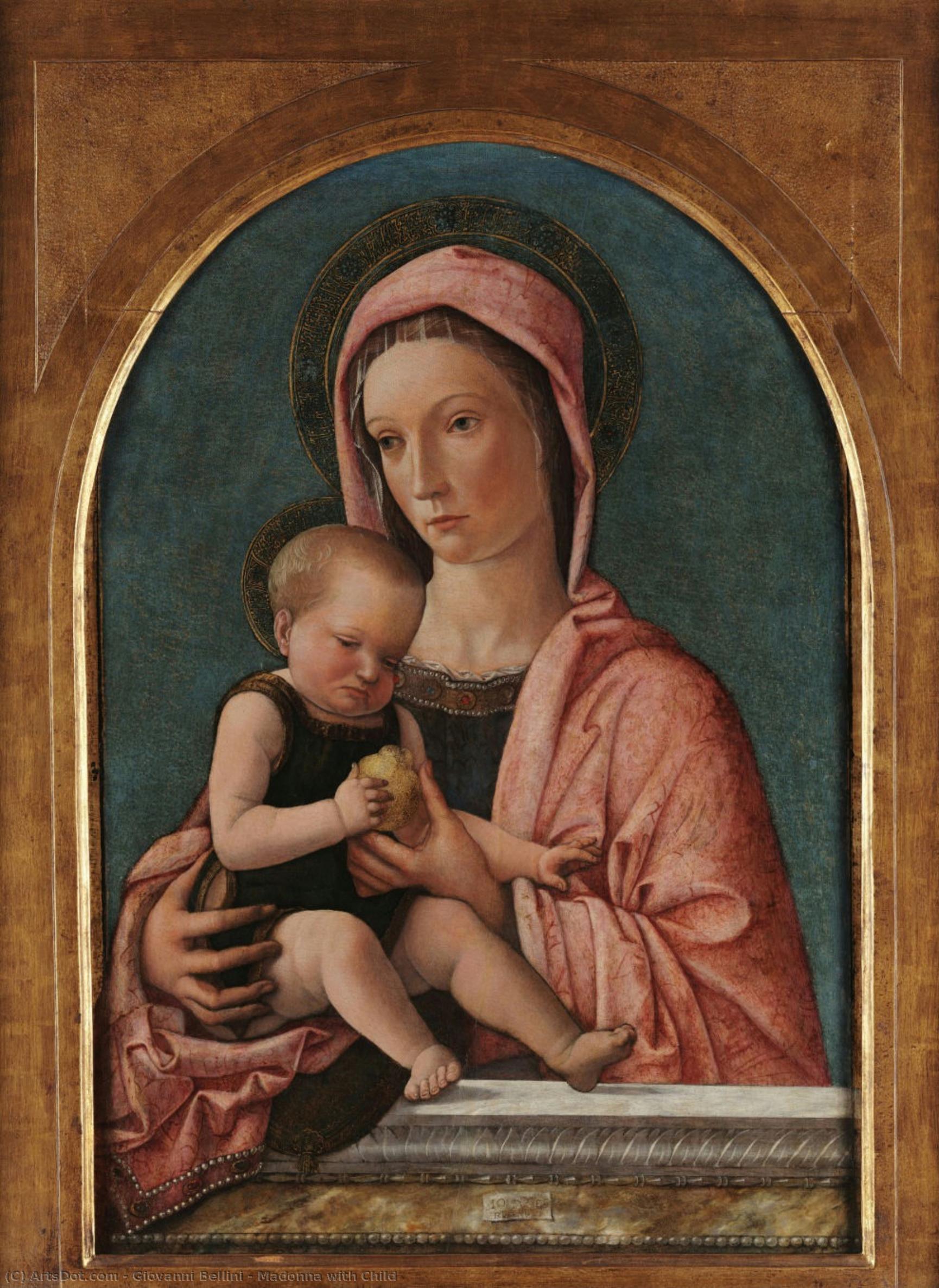
Experience the serene beauty of Giovanni Bellini’s Madonna with Child, a Venetian Renaissance masterpiece showcasing elegant Mannerist style and luminous color. This iconic 1465 painting captures divine motherhood with exquisite detail – discover or own this timeless treasure.
Meta Description: Giovanni Bellini (1433-1516): Italijanski majstor Renesanse poznat po živim bojama i spokojnim Madonnama koje su inspirisale umetnost čitavog Venecije! Uticajan je bio na Giorgiona i Titiana.
Istaknite se među umetničkim lepotama Sforze Castla! otkrijte Leonardovu fresku, Mikelanđelaovu Pietu i druge ikone Milanskog zamka – simbol italijanske istorije i umetnosti kroz vekove.
Sforza Castle, Milan, Italija, Leonardo da Vinci, Michelangelo, Umetnostna istorija, Renascensa, Arhitektura, Italijanski slikari, Muzej, Castello Sforzesco, Visconti, Sforza porodica
Italija
Milan
Sforza Cast
Giovanni Bellini’s Madonna with Child: A Venetian Renaissance Masterpiece
Giovanni Bellini stands as an undisputed titan of Venetian Renaissance art, bridging the gap between Byzantine tradition and the burgeoning humanist spirit that would define the 16th century. Born around 1430 – though some sources suggest 1433 – into a family deeply entrenched in the artistic world, Bellini’s journey was one marked by ceaseless evolution, fueled by an unparalleled sensitivity to color, light, and the profound humanism of his era. The precise nature of his familial relationships has been debated; for years Jacopo Bellini was considered his father, but modern scholarship increasingly points towards Jacopo being Giovanni's elder half-brother, with Gentile Bellini as his nephew rather than sibling. Regardless of these intricacies, young Giovanni grew up immersed in a workshop brimming with creativity and technical expertise, absorbing the foundational principles of painting from an early age. His formative years were spent honing skills alongside his father and brother, mastering techniques that would become hallmarks of his distinctive style – a style characterized by luminous color palettes and meticulous detail, qualities that would resonate throughout his prolific career.
- Subject Matter: The Madonna with Child embodies the quintessential devotional image of the Renaissance, depicting Mary cradling Jesus in her arms—a motif deeply rooted in Christian iconography and symbolizing divine motherhood and grace.
- Style: Bellini’s approach aligns seamlessly with Venetian Mannerism, prioritizing elegance and psychological nuance over strict realism. He eschews excessive ornamentation, favoring a restrained aesthetic that emphasizes compositional balance and harmonious color relationships.
- Technique: Employing tempera on panel—a technique favored by Venetian artists of the period—Bellini achieved remarkable luminosity through careful layering of translucent glazes. This method allowed him to capture subtle gradations of light and shadow, creating an ethereal atmosphere that elevates the scene beyond mere representation.
Historical Context: Venice at the Crossroads of Cultures
Venice during Bellini’s lifetime was a vibrant hub of artistic innovation, experiencing a period of unparalleled prosperity thanks to its maritime trade empire. The city fostered a cosmopolitan environment where Byzantine influences mingled with emerging humanist ideals—a confluence that profoundly impacted Venetian art. Artists like Bellini drew inspiration from both Eastern and Western traditions, synthesizing them into a uniquely Venetian aesthetic. The patronage system prevalent in Venice fueled artistic ambition, encouraging masters to produce ambitious works intended to glorify their patrons and elevate the prestige of the city itself. This context underscores the significance of Bellini’s Madonna with Child as a testament to Venice's cultural dynamism and its role as a conduit for artistic exchange.
Symbolism: Layers of Meaning Beyond Beauty
The Madonna with Child is replete with symbolic references that speak to core theological concepts—primarily the Virgin Mary’s role as Mother of God and her unwavering faith. The landscape depicted behind Mary—a stylized vista reminiscent of Flemish painting—represents Paradise, symbolizing divine grace and eternal life. The angel on the rightward side embodies divine protection and heralds the arrival of salvation. Furthermore, Bellini's meticulous attention to detail—particularly in portraying Jesus’s face—reflects humanist concerns about capturing human emotion and psychological realism. The luminous color palette—dominated by blues and golds—evokes spiritual contemplation and reinforces the Madonna’s sanctity.
Emotional Impact: A Moment of Serenity and Devotion
Ultimately, Giovanni Bellini's Madonna with Child transcends mere visual representation; it aspires to evoke a profound emotional response in the viewer. The serene stillness of Mary’s posture conveys tranquility and acceptance—a reflection of her unwavering faith and devotion. The gentle gaze of Jesus embodies innocence and divine compassion. Through his masterful technique and astute compositional choices, Bellini succeeds in capturing a timeless moment of spiritual beauty—one that continues to inspire admiration and contemplation centuries after its creation. Its enduring appeal testifies to the power of art to communicate universal themes of love, faith, and redemption.