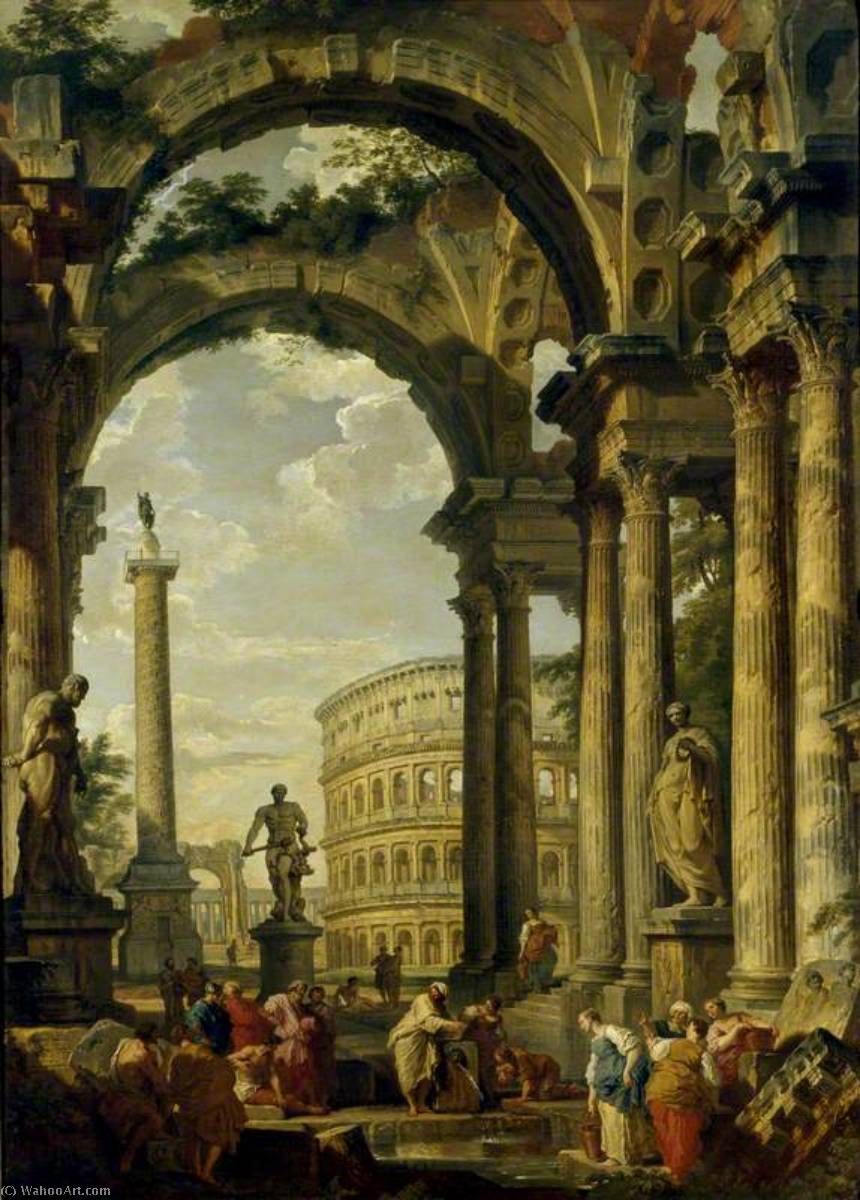
Giovanni Paolo Panini (1691-1765): Majstor rimskih veduta i arhitektonskih fantazija. Istražite njegovu preciznu perspektivu, kapriče i uticaj na umetnike poput Canaletta. Otkrijte lepotu Italije 18. veka!
Istražite umetnost i arheologiju koje obuhvataju milenijume u Muzeju Ešmolean! Otkrijte egipatske mumije, remek-dela Pre-Rafaelita i još mnogo toga – čeka vas besplatan ulaz!
Oxford
United Kingdom
A Chronicle of Wonders: Unveiling the Ashmolean Museum’s Enduring Legacy
Nestled within the venerable walls of Oxford University, the Ashmolean Museum isn't merely a collection of artifacts; it’s a
Roman Capriccio: A Dreamscape of Antiquity
Giovanni Paolo Panini’s *Roman Capriccio: The Pantheon and Other Monuments*, completed around 1740–60, isn't merely a depiction of Rome; it’s an embodiment of the Rococo aesthetic—a deliberate reimagining of history filtered through imagination. Painted in oil on canvas and currently residing at the Indianapolis Museum of Art (IMA), this monumental artwork transports viewers to a fantastical realm where classical grandeur intertwines with pastoral serenity, capturing the spirit of Enlightenment fascination with antiquity.
- Subject Matter: The painting presents an ambitious panorama encompassing iconic Roman landmarks—the Pantheon, Temple of Hadrian, Temple of Vesta, Maison Carrée, and Theater of Marcellus—all arranged around a central obelisk. These monuments are juxtaposed against a tranquil rural landscape populated by shepherds and peasants, creating a striking contrast between urban grandeur and rustic simplicity.
- Style & Technique: Panini’s masterful use of perspective elevates the scene beyond mere representation. He employs illusionistic techniques reminiscent of theatrical scenery, meticulously reconstructing architectural elements while subtly concealing later additions—a hallmark of capriccio painting. The artist's brushstrokes are deft and expressive, conveying a sense of dynamism and capturing the ethereal quality characteristic of Rococo art.
- Historical Context: Created during the reign of Francesco Algarotti, Panini’s work reflects the broader cultural preoccupation with reviving classical ideals amidst the burgeoning Baroque era. The Grand Tour—the fashionable pilgrimage to Italy undertaken by European aristocrats—fueled demand for artworks depicting Roman ruins and monuments, cementing Panini's reputation as a pioneer in this genre.
- Symbolism: Beyond its visual splendor, *Roman Capriccio* speaks to themes of memory, contemplation, and the artist’s creative liberty. The arrangement defies logical topography, prioritizing idealized beauty over factual accuracy—a deliberate gesture that underscores Panini's belief in capturing the essence of Rome rather than documenting its physical reality.
- Emotional Impact: Viewing *Roman Capriccio* evokes a profound sense of wonder and nostalgia for a bygone era. The luminous palette—dominated by earthy tones and pastel hues—creates an atmosphere of dreamy tranquility, inviting contemplation on the passage of time and the enduring power of artistic vision. It’s a painting that lingers in the mind long after viewing, prompting reflection on the relationship between art and history.
Provenance: The IMA acquired *Roman Capriccio* and its companion piece, *The Colosseum and Other Monuments*, as gifts from Lila Allison Lilly in memory of her husband, Josiah Kirby Lilly. This remarkable donation underscores the IMA’s commitment to preserving and showcasing masterpieces of European art history.
Accession Number: 50.5