Otkrijte Giuliu Romana (1499-1546), talentovanog učenika Rafaela i majstora manirizma! Istražite njegove zadivljujuće freske u Palaci Te, inovativne arhitektonske kreacije i trajni uticaj na renesansnu umetnost.
Posetite Baziliku Sant'Andrea u Mantovi, Italija—renesansno remek-delo Leon Battista Albertija. Otkrijte zadivljujuću arhitekturu, istorijske slike i relikviju Hristove krvi. Besplatan ulaz u ovo kulturno znamenito mesto.
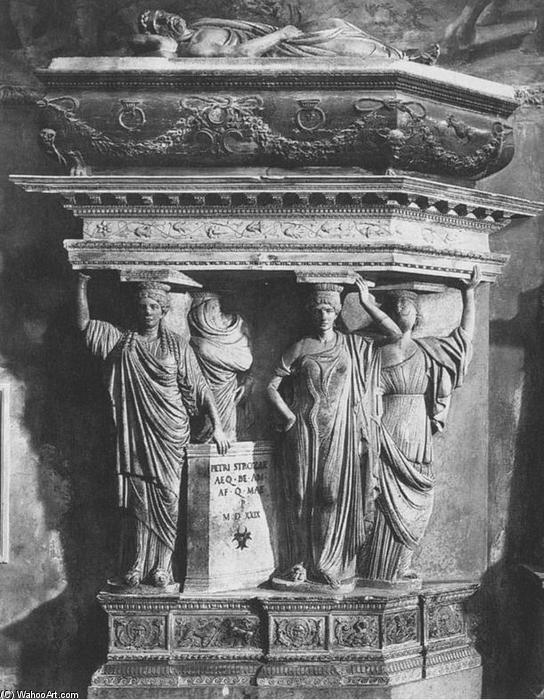
Tomb of Pietro Strozzi by Giulio Romano – A Monumental Vision of Grief and Glory
The Tomb of Pietro Strozzi stands as a testament to the zenith of Mannerist art, commissioned in 1529 by Cardinal Alessandro Farnese for his family chapel within Sant’Andrea Basilica in Mantova. Giulio Romano, Raphael's protégé and heir apparent to his artistic legacy, undertook this ambitious project with unwavering dedication, transforming it into an unparalleled achievement of sculptural grandeur and expressive power. This monumental funerary monument isn’t merely a commemoration of death; it’s a profound meditation on mortality, faith, and the enduring beauty of classical ideals rendered in a strikingly innovative style.
- Subject Matter: The tomb depicts Pietro Strozzi's funeral procession, featuring figures representing grief, mourning, and divine judgment – a deliberate juxtaposition designed to convey both sorrow for earthly loss and assurance of eternal salvation.
- Style: Romano’s approach firmly establishes itself within the Mannerist movement, rejecting the harmonious balance of High Renaissance aesthetics in favor of distorted proportions, exaggerated gestures, and unsettling psychological realism. This stylistic choice reflects the anxieties of the era – a period marked by political instability and religious upheaval – mirroring the turbulent emotions conveyed through the artwork.
- Technique: Romano employed masterful marble carving techniques, utilizing intricate sculptural reliefs to depict scenes from biblical narratives alongside portraits of Strozzi’s family members. The surface texture is deliberately roughened, creating a palpable sense of physicality and emphasizing the monumental scale of the tomb.
Detailed Analysis: Composition and Symbolism
The central sarcophagus dominates the composition, topped by sculpted figures holding aloft a canopy – a symbolic representation of heaven’s protection over the deceased soul. Three male figures, draped in flowing robes, embody strength and solemn dignity, while two female figures offer solace and compassion. The inscription adorning a rectangular block at the base serves as a poignant reminder of Strozzi's earthly life and commemorates his piety. Beyond these immediate visual elements, Romano skillfully incorporates classical motifs – referencing idealized human forms and architectural grandeur – to elevate the tomb’s spiritual significance. The drapery folds are rendered with meticulous attention to detail, conveying movement and emotion while simultaneously adhering to Mannerist conventions of distortion.
Historical Context: Farnese Patronage and Renaissance Ideals
Sant’Andrea Basilica in Mantova was conceived as a symbol of papal authority during the reign of Pius IV, reflecting the broader cultural ambitions of the Renaissance. Alessandro Farnese, Cardinal and Pope, recognized Romano's genius and entrusted him with this monumental commission, furthering Mantuan artistic prestige. The tomb embodies the humanist preoccupation with portraying human experience – both physical and psychological – with uncompromising honesty. It stands as a powerful reminder that art can transcend mere decoration, serving as a conduit for profound contemplation on life’s mysteries and the promise of immortality.
Emotional Impact: A Reflection of Grief and Transcendence
The Tomb of Pietro Strozzi possesses an undeniable emotional resonance. The somber palette—primarily muted shades of grey and ochre—contributes to the overall atmosphere of solemnity, mirroring the grief experienced by Strozzi’s family. Yet, amidst this melancholy tone, Romano introduces elements of divine grace – symbolized by the canopy and illuminated by subtle lighting – conveying a message of hope and spiritual redemption. It remains an enduring masterpiece, captivating viewers with its masterful execution and profound exploration of human emotion within the framework of classical artistic tradition.