Otkrijte Gustava Klimta (1862-1918), austrijskog majstora Simbolizma i Art Nouveau! Istražite njegovu ikoničnu 'Zlatnu fazu', senzualne portrete i remek-dela poput *Poljupca*. Saznajte više o životu, uticajima i nasleđu ovog genijalnog umetnika.
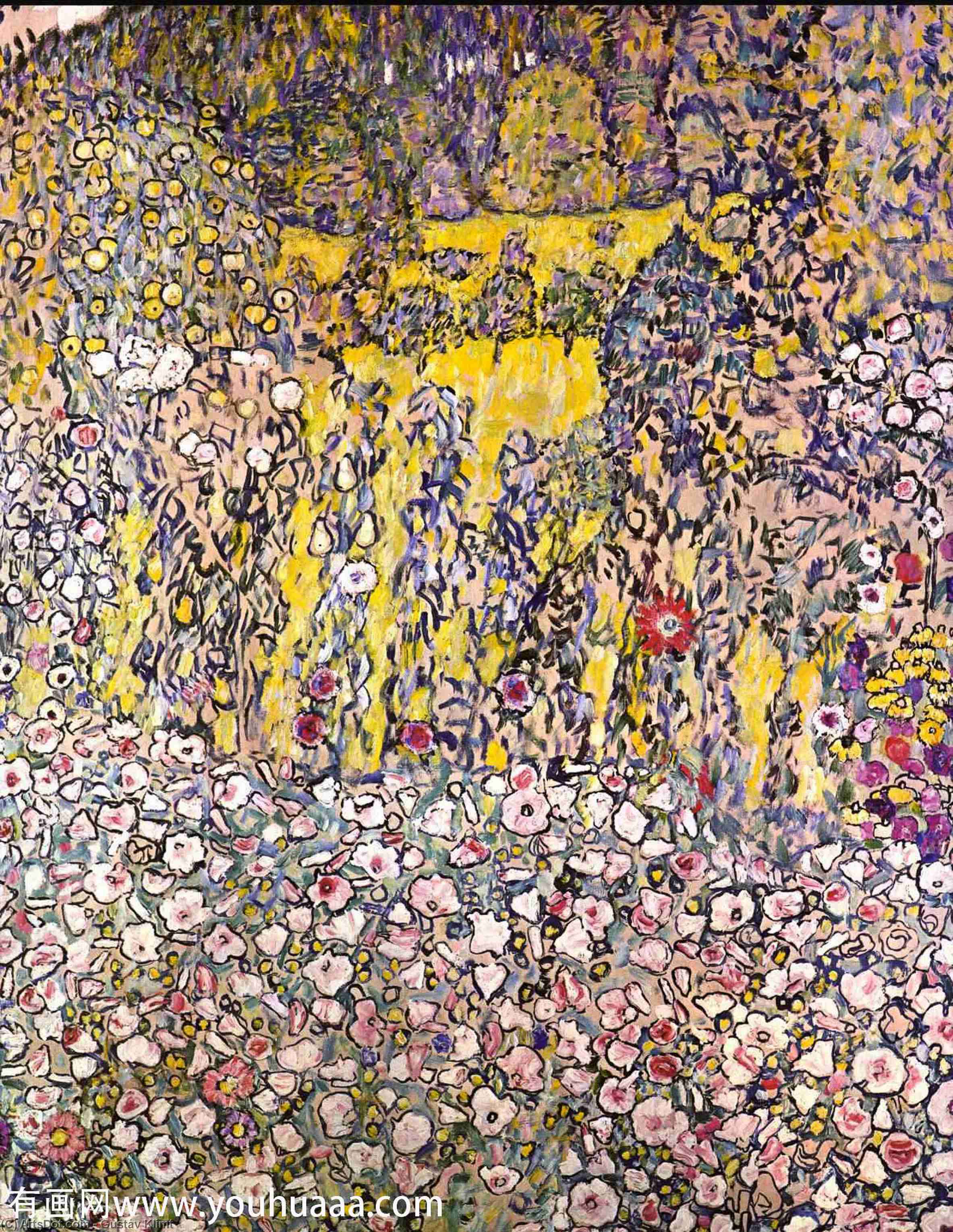
Horticultural Landscape with a Hilltop – A Symphony of Color and Texture by Gustav Klimt
Gustav Klimt’s Horticultural Landscape with a Hilltop, completed in 1916, stands as a cornerstone of Art Nouveau aesthetics and a testament to the Austrian painter's groundbreaking approach to landscape painting. More than just a depiction of flora, this oil on canvas masterpiece embodies the movement’s core tenets—organic forms, decorative patterns, and an unwavering commitment to craftsmanship—resulting in an artwork that continues to resonate with audiences today. At ArtsDot.com, we recognize Klimt's enduring influence and offer meticulously crafted reproductions that capture the essence of his vision.
The Art Nouveau Spirit: Rebellion Against Academic Tradition
Born in Baumgarten near Vienna in 1862, Gustav Klimt emerged from a family grappling with financial difficulties but nurtured by an innate artistic talent—a legacy evident in his father’s profession as a gold engraver. This formative experience instilled within him a fascination for opulent materials and meticulous detail, sensibilities that would profoundly shape his artistic output. Klimt's rejection of the rigid conventions of academic art marked a pivotal moment in European art history, propelling him toward the expressive freedom championed by Art Nouveau. Unlike its predecessors, Art Nouveau sought inspiration from nature—specifically plant life—rejecting geometric forms and prioritizing flowing lines and vibrant colors.
Klimt’s Innovative Technique: Pointillism Revisited
What distinguishes Horticultural Landscape with a Hilltop is Klimt's masterful manipulation of technique. Rather than employing traditional blending methods, he adopted a visual strategy reminiscent of French pointillism—a revolutionary approach that involved applying tiny dots or strokes of color to create an overall impression of light and atmosphere. This method allowed Klimt to achieve remarkable levels of textural complexity and luminosity, capturing the subtle nuances of sunlight filtering through foliage with breathtaking precision. It’s a technique that speaks volumes about Klimt's desire to transcend mere representation and convey feeling—a characteristic deeply rooted in Symbolist philosophy.
Floral Abundance and Symbolic Resonance
The painting bursts forth with an astonishing array of flowers, numbering at least thirteen distinct species meticulously rendered in hues ranging from delicate pinks and whites to bold yellows and purples. Each blossom contributes to the overall visual richness and reinforces the Art Nouveau preoccupation with natural beauty. Beyond its aesthetic appeal, the floral motif carries symbolic significance—representing fertility, rebirth, and the cyclical rhythms of life—themes central to Klimt’s artistic worldview. The inclusion of a solitary figure positioned atop the hilltop adds another layer of interpretation, suggesting contemplation and an appreciation for the grandeur of the surrounding landscape.
A Legacy Enduring Inspiration
Horticultural Landscape with a Hilltop exemplifies Klimt's singular ability to fuse Art Nouveau principles with his distinctive stylistic vision. Its serene atmosphere invites viewers to immerse themselves in the beauty of nature while simultaneously acknowledging the artist’s unparalleled skill as a decorative painter. Like other celebrated works by Klimt—including Alte Frau im Profil nach rechts, Portrait of Serena Lederer and The Kiss—this painting serves as an enduring reminder of Art Nouveau's transformative impact on European art and continues to inspire artists and collectors alike. Explore high-quality reproductions of Horticultural Landscape with a Hilltop at ArtsDot.com and bring the splendor of Klimt’s vision into your home.