Istražite gravure i slike Hendrika Goltziusa (1558–1617), majstora severnog manirom. Otkrijte njegove dinamične kompozicije, inovativne tehnike poput 'proširujuće linije' i uticaj na baroknu umetnost.
Otkrijte evropske majstorske dela i umetnost drevnih civilizacija u J. Paul Getty Museumu! Dve lokacije: Getty Center i Villa. Besplatan ulaz! Istražite slike, skulpture i još mnogo toga.
Sjedinjene Američke Države
Timothy Potts
Los Anđeles
J. Paul Getty Museum
Evropske slike (Renesansa-Impresionizam)
Muzej umetnosti
1974
Njujork
1
Gde se prvenstveno nalazi J. Paul Getty Museum?
A Moment of Divine Disruption: Hendrick Goltzius’s Dramatic Engraving
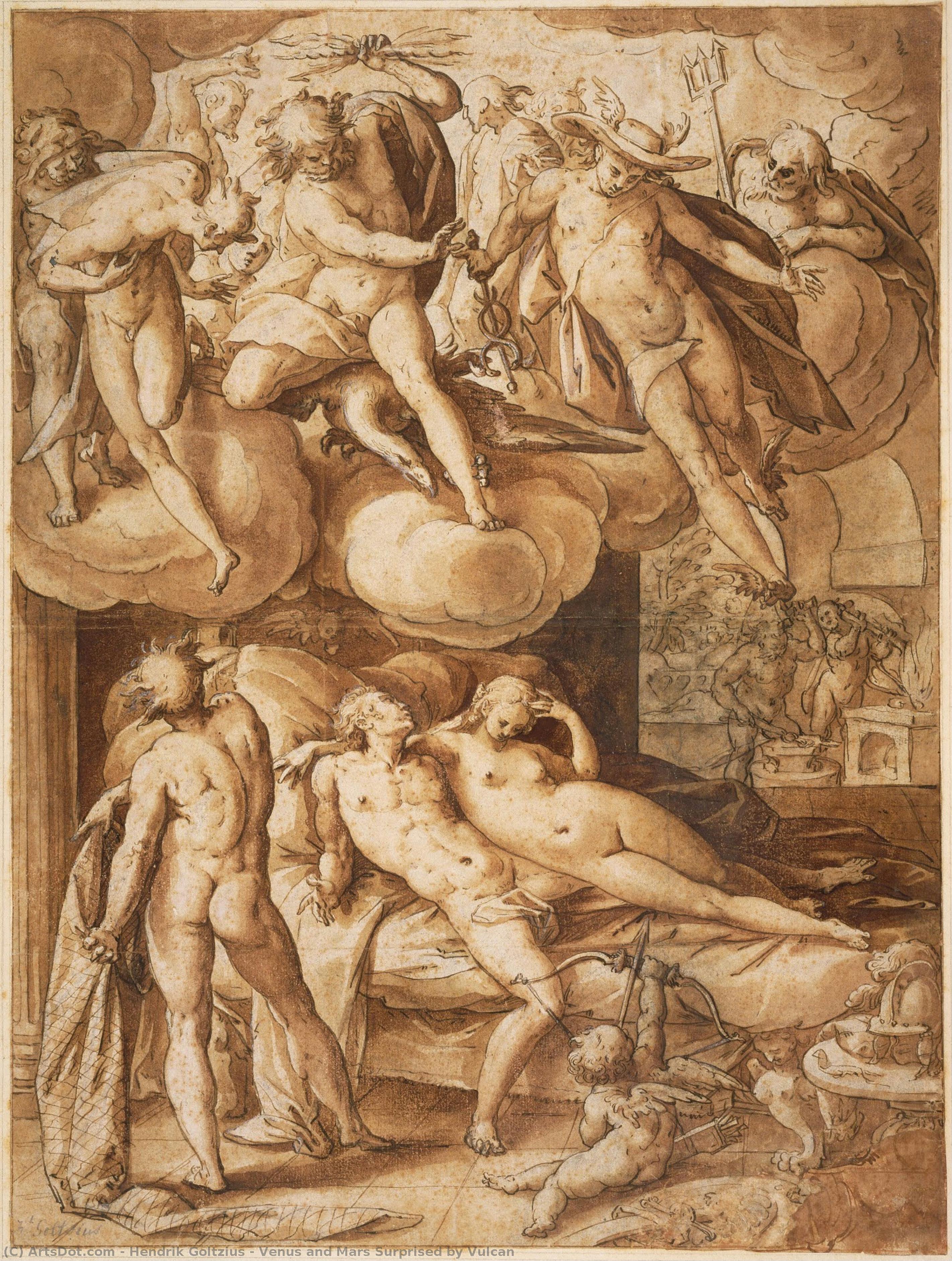
Hendrik Goltzius's “Venus and Mars Surprised by Vulcan,” created in 1585, stands as a testament to the burgeoning Mannerist style within Dutch art—a period characterized by stylized forms, exaggerated emotion, and an obsession with illusionistic depth. This engraving, conceived as a preparatory model for Spranger’s monumental print series, captures a pivotal scene from classical mythology: Vulcan, god of fire and forge, abruptly halts his attempt to ensnare Venus and Mars in a net, eliciting ridicule from the assembled Olympian gods.
- Subject Matter & Mythology: The artwork draws upon Virgil’s “Aeneid,” depicting the legendary lovers Venus and Mars facing imminent capture by Vulcan. This narrative explores themes of desire, betrayal, and divine intervention—concepts prevalent in Renaissance humanist thought.
- Style & Technique: Goltzius expertly employs Mannerist principles, prioritizing expressive gesture and dramatic composition over naturalistic representation. The figures are rendered with meticulous detail, yet their poses are deliberately distorted to convey psychological tension and emotional intensity. The engraving technique itself—copperplate etching combined with tonal shading—creates a remarkable illusion of three-dimensionality, enhancing the visual impact.
- Composition & Symbolism: The scene unfolds across a richly textured background of swirling clouds, mirroring the turbulent emotions at play. Goltzius skillfully integrates two groups of nude figures – Venus and Mars – positioned in complex poses that emphasize vulnerability and defiance. Cupid, appearing on the lower right, symbolizes love’s influence over fate, while Vulcan's active forging represents divine power and control.
- Historical Context: Produced during Philip II’s reign, “Venus and Mars Surprised by Vulcan” reflects the anxieties of the time—particularly concerns about papal authority and the perceived threat posed by Protestantism. Goltzius’s work aligns with Spranger's broader ambition to reinterpret classical myths in a manner that resonated with contemporary sensibilities.
- Emotional Impact: The engraving succeeds in conveying a palpable sense of surprise and amusement, capturing the divine mockery of mortal passions. Its masterful execution—the nuanced shading, the dynamic poses—invites contemplation on themes of beauty, desire, and the capricious nature of fate.
The Getty Museum’s reproduction offers an exceptional opportunity to appreciate Goltzius's artistic vision and technical prowess. It allows viewers to experience the drama and sophistication of Mannerist art firsthand, transforming a historical masterpiece into a captivating element for any discerning interior design.