Henri Matisse: A Pioneer of Color and Emotion
“I want to paint with color,” Henri Matisse famously declared, encapsulating the essence of his artistic vision—a radical departure from academic conventions that would forever alter the landscape of modern art. Born in Le Cateau-Cambrésis in 1869, Matisse’s early life wasn't marked by artistic ambition; he pursued law studies initially, a path redirected dramatically by an illness that unlocked his innate talent for painting.
His discovery began with simple art supplies gifted by his mother—a serendipitous encounter that ignited a lifelong passion. Rejecting the rigid formalism of Impressionism and Post-Impressionism, Matisse embraced Fauvism (“wild beast”), spearheaded by him and André Derain, marking a pivotal moment in artistic history. This movement championed unrestrained color expression, prioritizing emotional impact over meticulous representation.
The Artwork: Untitled (8716) – A Symphony of Color
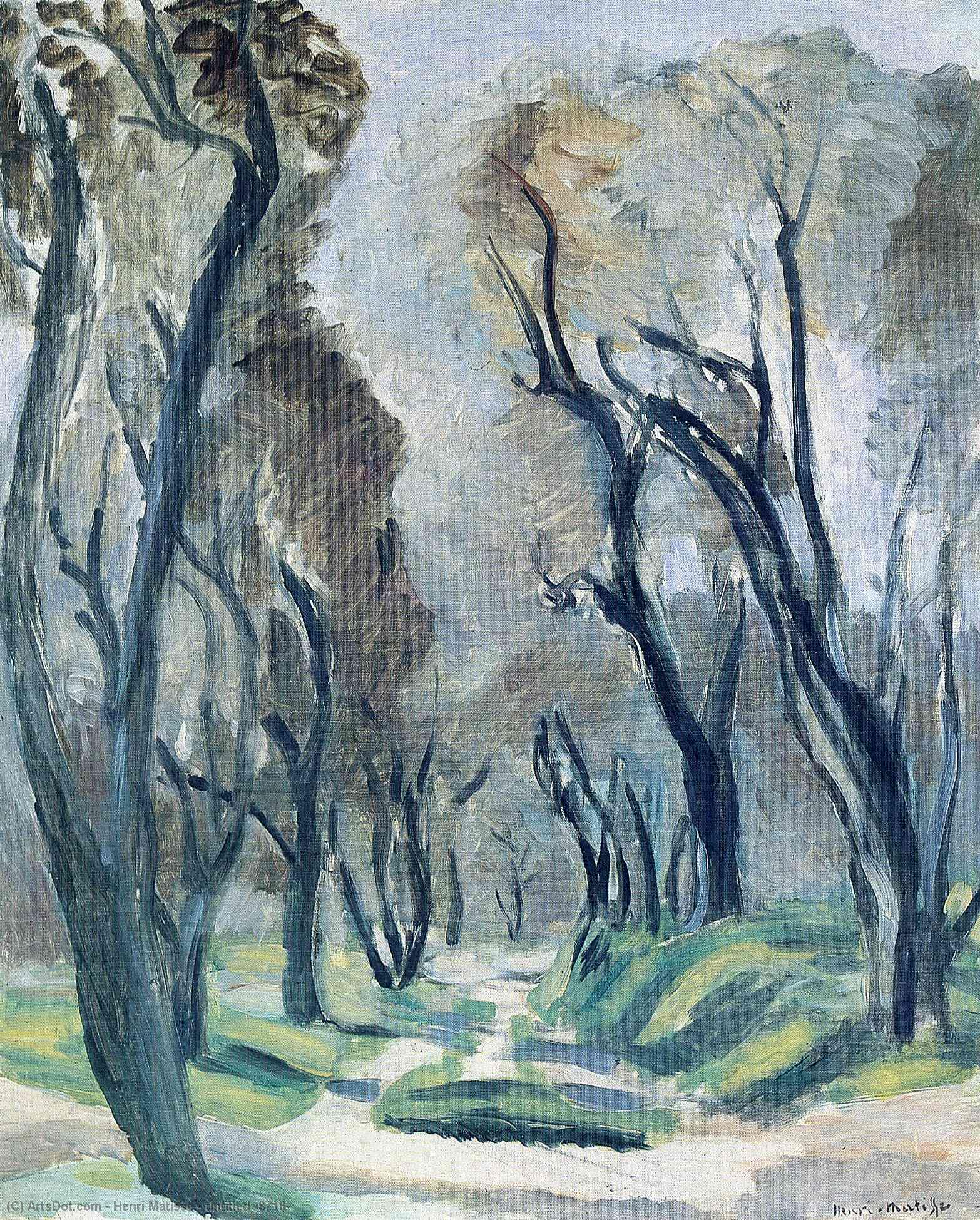
“Untitled (8716)” exemplifies Matisse’s masterful approach to Fauvist principles. The painting depicts a tranquil woodland scene—a pathway winding through dense trees—creating an immersive experience for the viewer. Approximately unknown in size, it showcases at least thirteen trees rendered in varying degrees of prominence, skillfully utilizing perspective to convey depth and dimensionality.
Matisse’s technique is characterized by bold brushstrokes and vibrant hues – predominantly reds, yellows, and blues – applied with confident assurance. He eschewed blending colors extensively, opting instead for juxtaposed tones that heighten visual intensity and stimulate the eye. This deliberate disregard for traditional blending techniques underscores Matisse's commitment to conveying emotion directly through color.
Historical Context: Fauvism and Artistic Rebellion
Fauvism emerged in France around 1905-1908, reacting against the perceived limitations of Impressionism’s focus on capturing fleeting moments of light. Matisse and Derain sought to liberate painting from naturalistic constraints, prioritizing expressive color as a primary vehicle for conveying feeling. The movement challenged established artistic norms and provoked considerable controversy amongst critics who deemed it crude and barbaric.
Despite initial resistance, Fauvism gained momentum, influencing subsequent artists like Picasso and Cézanne. Matisse’s unwavering belief in the transformative power of color solidified his position as a visionary innovator—a figure whose legacy continues to inspire artists today. “Untitled (8716)” stands as a testament to this enduring conviction.
Symbolism and Emotional Resonance
Beyond its technical brilliance, "Untitled (8716)" resonates with profound symbolic meaning. The pathway through the trees represents a journey—perhaps toward enlightenment or simply towards contemplation—while the abundant foliage symbolizes vitality and renewal. Matisse’s deliberate use of color contributes to the painting's serene atmosphere, inviting viewers to immerse themselves in its beauty and experience its emotional depth.
The artwork embodies Matisse’s core artistic philosophy: “Color is my language; I don’t just paint what I see, but what I feel.” This statement encapsulates his unwavering dedication to conveying emotion through visual form—a pursuit that resulted in masterpieces like "Untitled (8716)" which continue to captivate audiences worldwide.