Đakopo Sansovino (1486-1570): Florentinski vajar i arhitekta venecijanskog renesansa. Majstor klasicizma, poznat po bogatim detaljima u delima kao što su Biblioteka Marciana i projektima Trga Svetog Marka.
Откријте ренесансану скулптуру у Музеју Националног Барело! Погледајте шедевре Микеланђела и Доњетола у историјском Палацо дел Барело из Фиренце.
Фиренца, Музеј националног Барело, ренесансана скулптура, Доњетол, Микеланђело, Давид, Палацо дел Барело, италијанско уметност
Италија
Фиренца
Музеј националног Барело
Скулптура Доњетола и Микеланђела
Велика
Уметност и скулптура
1865
Стара римск
A Vision of Divine Tenderness
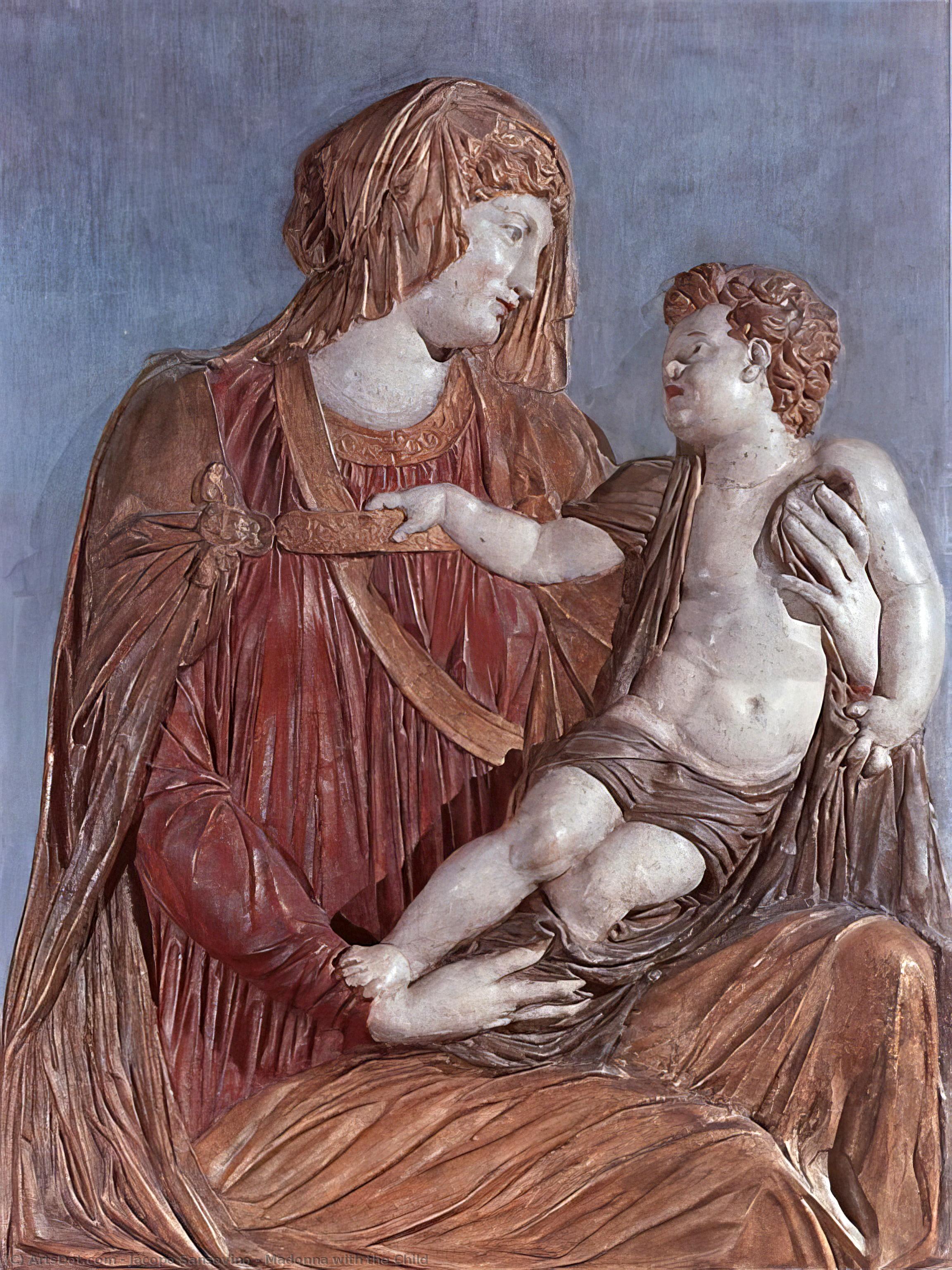
In the quiet corridors of art history, few images possess the enduring ability to arrest the soul quite like Jacopo Sansovino’s Madonna with the Child. This masterpiece, born from the vibrant artistic ferment of the Italian Renaissance, serves as more than a mere religious icon; it is a profound meditation on the sanctity of maternal love and the serene grace of the divine. As one gazes upon the Virgin Mary cradling her infant son, there is an immediate, palpable sense of peace that transcends the centuries. The composition captures a fleeting, intimate moment—a tender connection between mother and child that feels both monumental in its spiritual significance and deeply human in its emotional vulnerability.
The painting invites the viewer into a world where the celestial meets the earthly. Through a masterful command of form, Sansov and his contemporaries sought to bridge the gap between the mortal realm and the heavens. The way the light plays across the figures suggests a presence that is both physical and ethereal, making the artwork an ideal centerpiece for those seeking to infuse their living spaces with a sense of timeless tranquility and contemplative beauty.
Mastery of Form and Luminous Technique
To appreciate this work is to witness the pinnacle of Renaissance technical innovation. Sansovino, though widely celebrated as a sculptor of immense skill, brought a unique sculptural sensibility to his painterly endeavors. In this depiction, one can observe an extraordinary attention to volume and anatomical precision. The figures possess a weight and presence that suggest they could be stepped out from the canvas, a testament to the artist's deep understanding of classical proportions.
The technique employed is nothing short of luminous. Through the delicate application of glazes, the artist achieves a depth of color that seems to glow from within. The rich, regal reds of the Madonna’s attire are balanced by subtle tonal gradations that create a lifelike texture, while the soft interplay of light and shadow—chiaroscuro—adds a dramatic yet gentle dimension to the scene. For the discerning collector or interior designer, these luminous qualities ensure that a high-quality reproduction of this piece will act as a dynamic element in any room, catching the light and drawing the eye with its sophisticated palette and masterful depth.
A Legacy of Renaissance Humanism
The historical context of this work is rooted in the golden age of Florence and the burgeoning humanist movement. During this era, artists were no longer merely recording religious dogma; they were exploring the beauty of the human condition through the lens of classical antiquity. The Madonna with the Child embodies this shift, blending the sacredness of the Virgin Mary with a newfound realism that celebrates the physical world. This period of intense experimentation, fueled by the patronage of powerful families like the Medici, allowed for a level of artistic freedom that produced some of the most iconic imagery in Western civilization.
Every element within the frame is laden with symbolic meaning. The posture of the Madonna, her gentle yet protective hold on the Christ child, speaks to the themes of intercession and divine mercy. The very composition, often framed by architectural or landscape elements that suggest a window into another realm, encourages the viewer to look beyond the surface. For those looking to curate an environment of sophistication and intellectual depth, this artwork offers a rich tapestry of history and meaning, making it a profound addition to any curated collection of fine art reproductions.